Customers often expect a perfectly flat, blemish-free plasterboard surface, but achieving this is practically impossible. The most realistic goal here is to create a surface that gives the visual impression of being flat. Other than that, dissatisfaction with plasterboard surfaces frequently arises due to unfavourable lighting from internal or external sources.
Knauf has updated its popular Lighting and Decorating Plasterboard Guide to assist architects, interior designers, builders, plasterers and home renovators in achieving the desired wall and ceiling results.
Design Influences
There are many design factors that influence the overall appearance of walls and ceilings in modern homes.
Most modern homes are designed with large open living areas with unbroken ceilings across adjoining rooms, large windows, and skylights. These features create modern and spacious look; however, they can also create lighting conditions that highlight minor imperfections in walls and ceilings. Therefore, your expectations for surface finishes should match what's realistically achievable given the design, as design features can make small imperfections more noticeable. Consider how building orientation, window size, and window positioning affect the look of the walls and ceilings throughout the day.
Lighting Influences
Lighting is an important element in building design that affects the final look of a space. For example, modern lighting solutions can help balance light and shadows, improving the appearance of both new homes and commercial projects. While light fittings are often chosen based on personal taste and budget, it’s wise to consider how they will affect internal surfaces before construction starts. Glancing lights can especially be problematic in large, open-plan living areas. To address this issue, try using general diffused lighting like downlights or spotlights, combined with local accent lighting like floor or table lamps.
Lighting & Decorating Plasterboard Guide
Knauf designed this guide to assist architects, interior designers, builders, plasterers, and home renovators in achieving the desired results for plasterboard walls and ceilings.
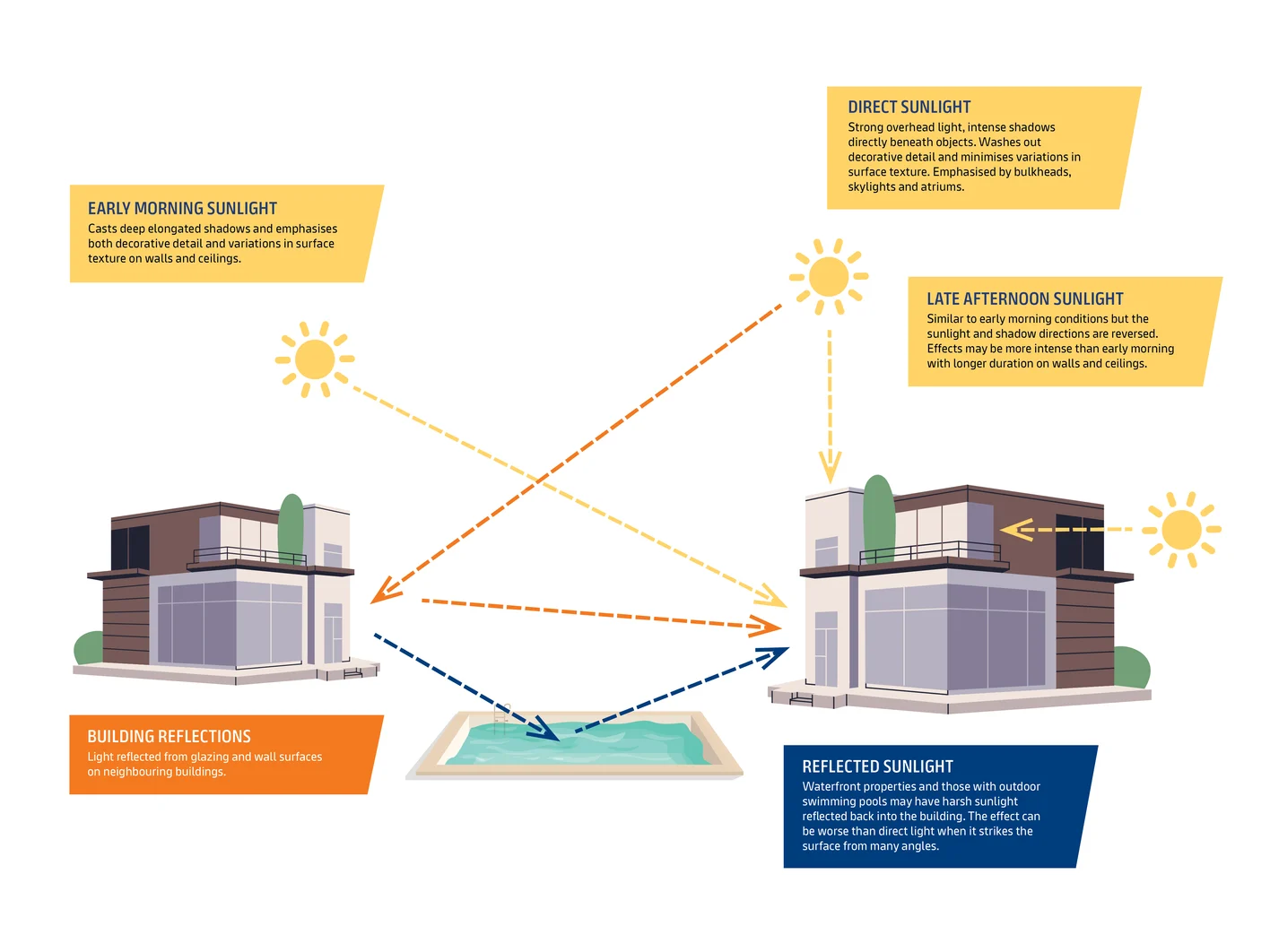
Understanding Different Lighting Conditions
- An opaque shade that directs light downward to brighten the room, not the ceiling
- Recessed fluorescent lights that prevent ceiling shadows and minimise surface imperfections
- Recessed downlights and spotlights that provide even, downward illumination without glare
- Large, uncurtained windows that let external light reflections highlight surface imperfections on nearby walls and ceilings
- Highly reflective outdoor surfaces
- Poorly positioned spotlights
- Energy-saving downlights that stick out from the ceiling
- Excessive use of gloss paints
- Unshaded light bulbs in batten holders
- Unguarded ceiling fluorescent lights
- Ceiling-mounted circular fluorescent lights that create harsh glare and emphasise surface variations
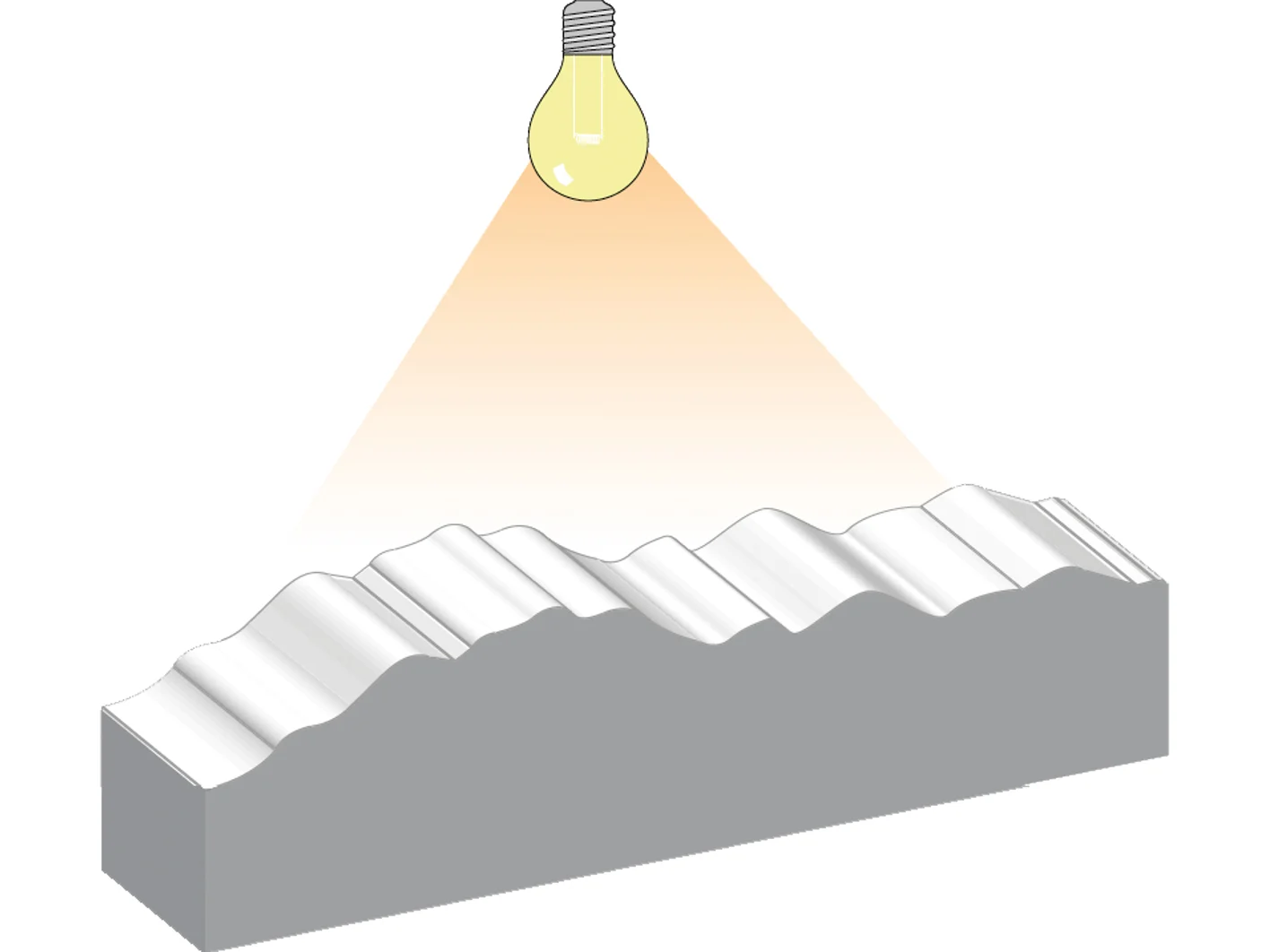
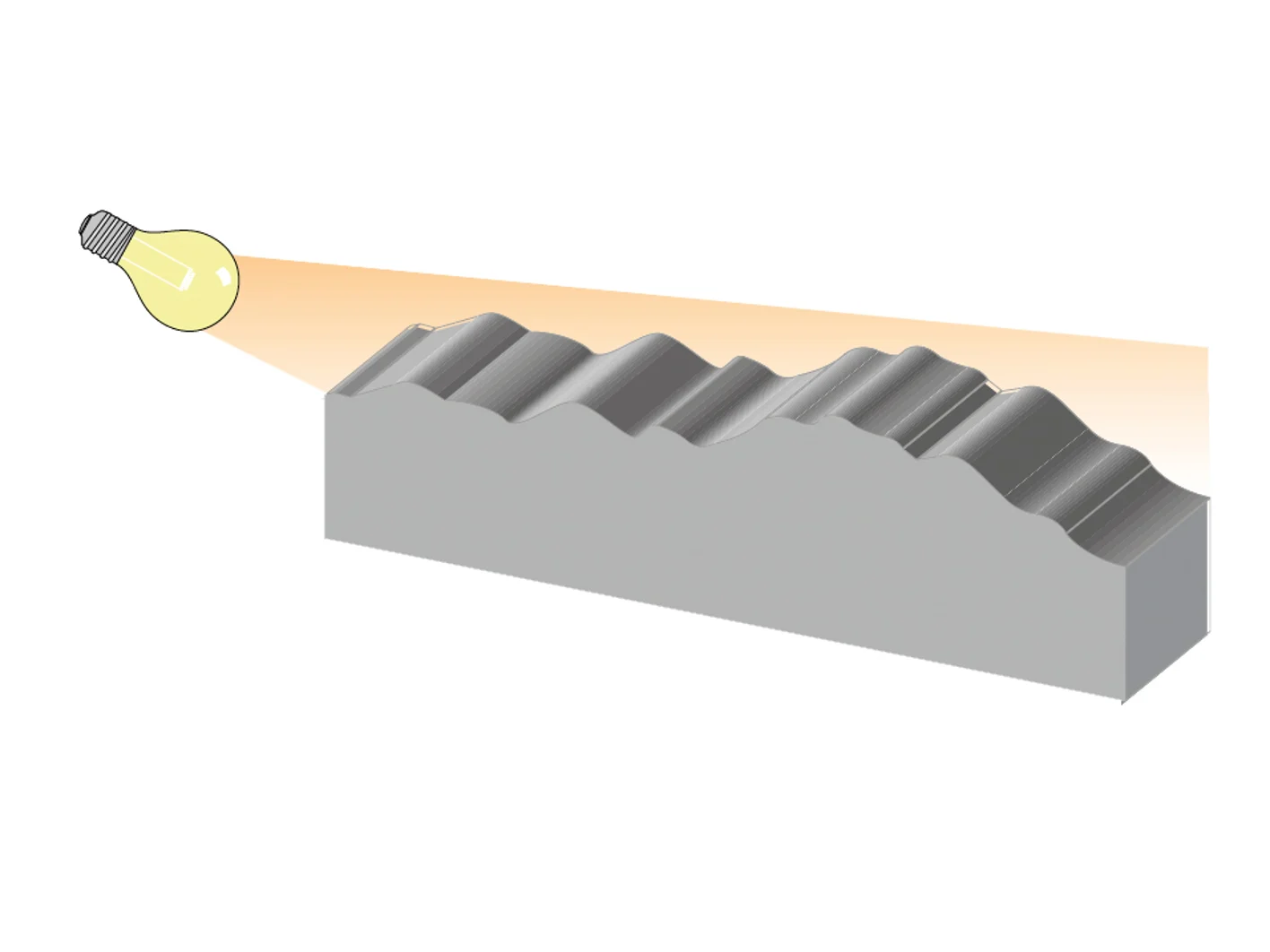
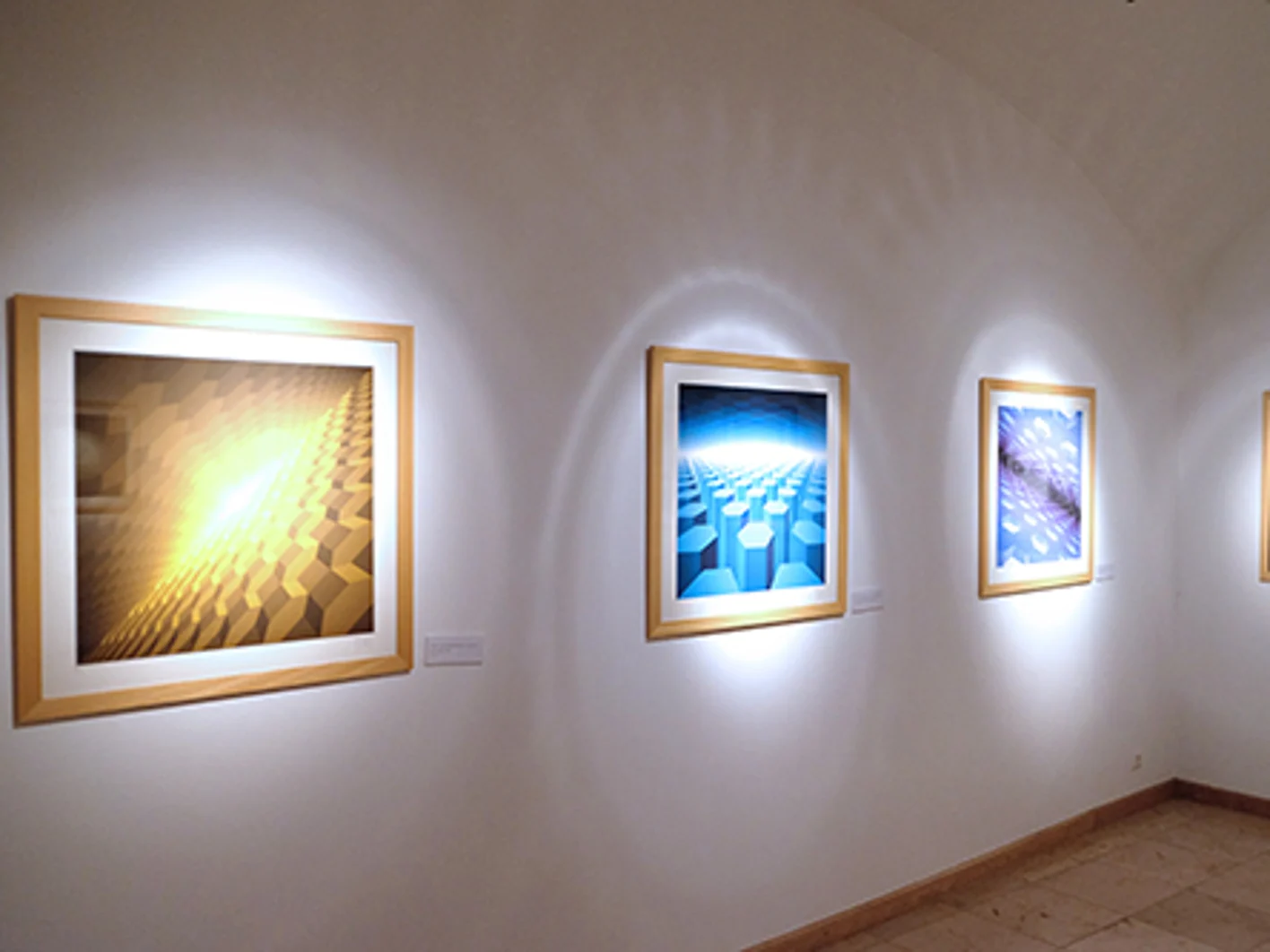
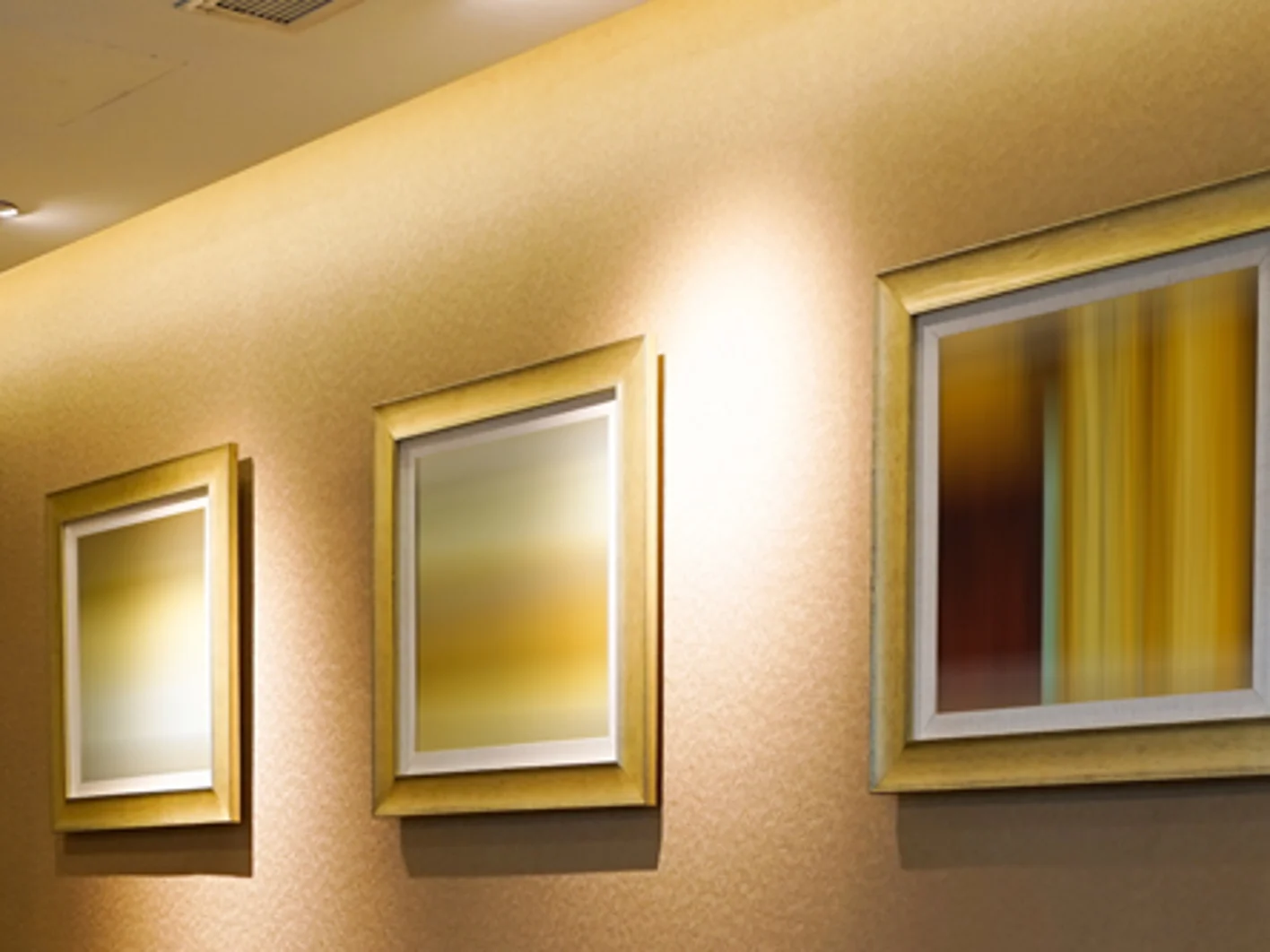
Image 1: Frontal light reduces or eliminates shadows to give a perception of perfectly flat surface
Image 2: Glancing light throws deep shadows emphasising surface irregularities
Image 3: Correctly positioned spotlights
Image 4: Incorrectly positioned spotlights