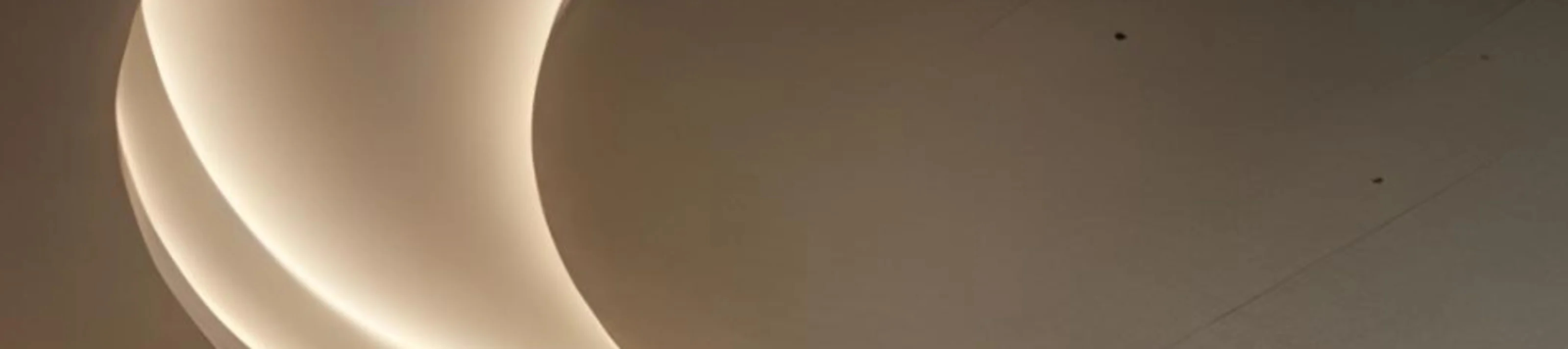
Curved gypsum ceilings offer a distinctive design solution, flexibly shaped with graceful curves or unique geometric forms such as circles, ellipses, waves, and even bespoke artistic designs. As a result, curved gypsum ceilings not only enhance aesthetic appeal but also bring a touch of sophistication and an impressive focal point to any project. So, what makes this ceiling style stand out? Let's explore the details and discover seven of the most stunning designs currently available!
1. What are Curved Gypsum Ceilings?
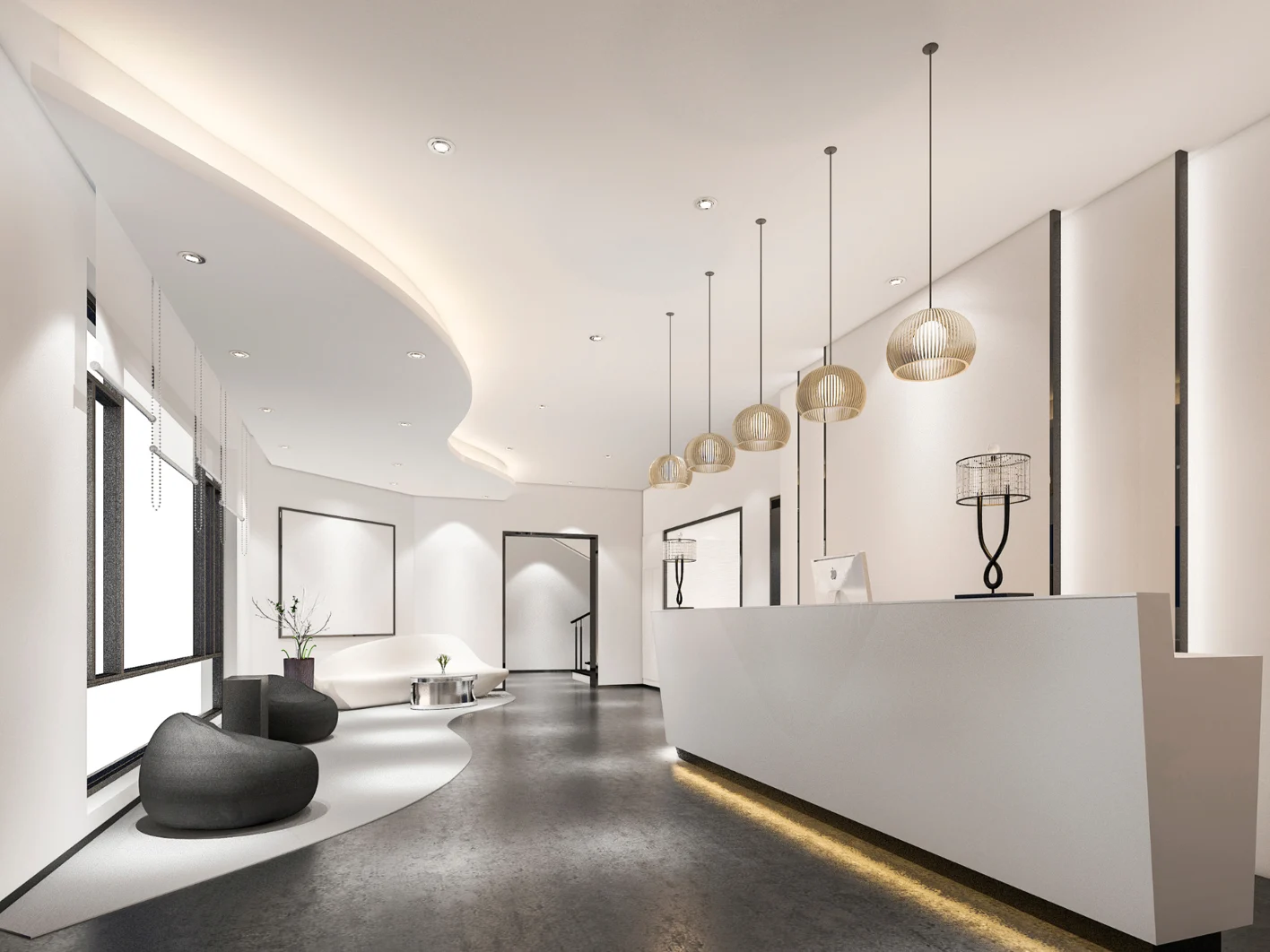
Curved gypsum ceilings, also referred to as flexed or radius gypsum ceilings, are a type of concealed ceiling system capable of being flexibly shaped into smooth curves or artistic forms such as circles, ellipses, and waves. The flowing lines of this ceiling style not only enhance the sophistication and elegance of a space but also create a visual effect that adds depth. In particular, when integrated with appropriate lighting systems, curved ceilings can accentuate lighting effects, elevating the artistic quality of the overall interior design.
Due to their shaping flexibility, curved gypsum ceilings are well-suited for a variety of interior design styles, from modern and minimalist to classic and neoclassical, breaking away from the uniformity of traditional flat ceilings and providing an impressive focal point for any project.
To create a durable and well-finished curved gypsum ceiling system, the constituent components include:
- Gypsum Boards: These are the primary elements, cut and shaped into various forms prior to installation. Thanks to their ease of shaping, gypsum boards allow the ceiling system to achieve natural curves while maintaining a smooth and aesthetically pleasing surface.
- Metal Profile System: Comprising main runners and cross runners, this system provides structural support and defines the ceiling's form. The profile system is flexibly designed to follow the shape of the gypsum boards and is securely fixed to the concrete soffit using hanger rods, ensuring stability and safety.
- Joint Compound: Used to conceal the joints between gypsum boards and screw indentations, creating a smooth, seamless surface, minimizing cracking, and enhancing the ceiling's aesthetic appearance.
- Ancillary Accessories: Including screws, threaded rods, connecting brackets, etc., these components aid in securing the framework system, ensuring the ceiling remains stable and robust over time.
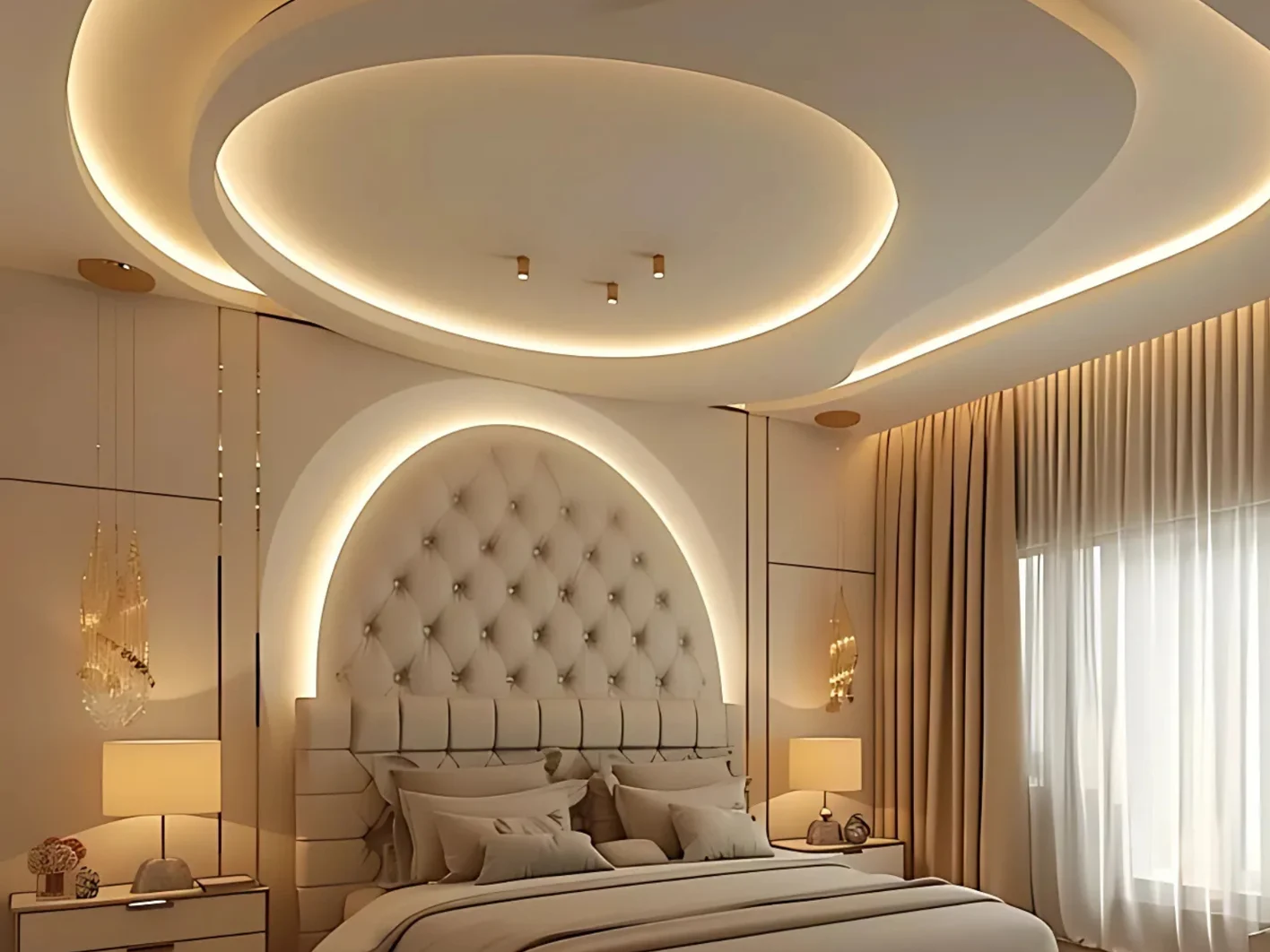
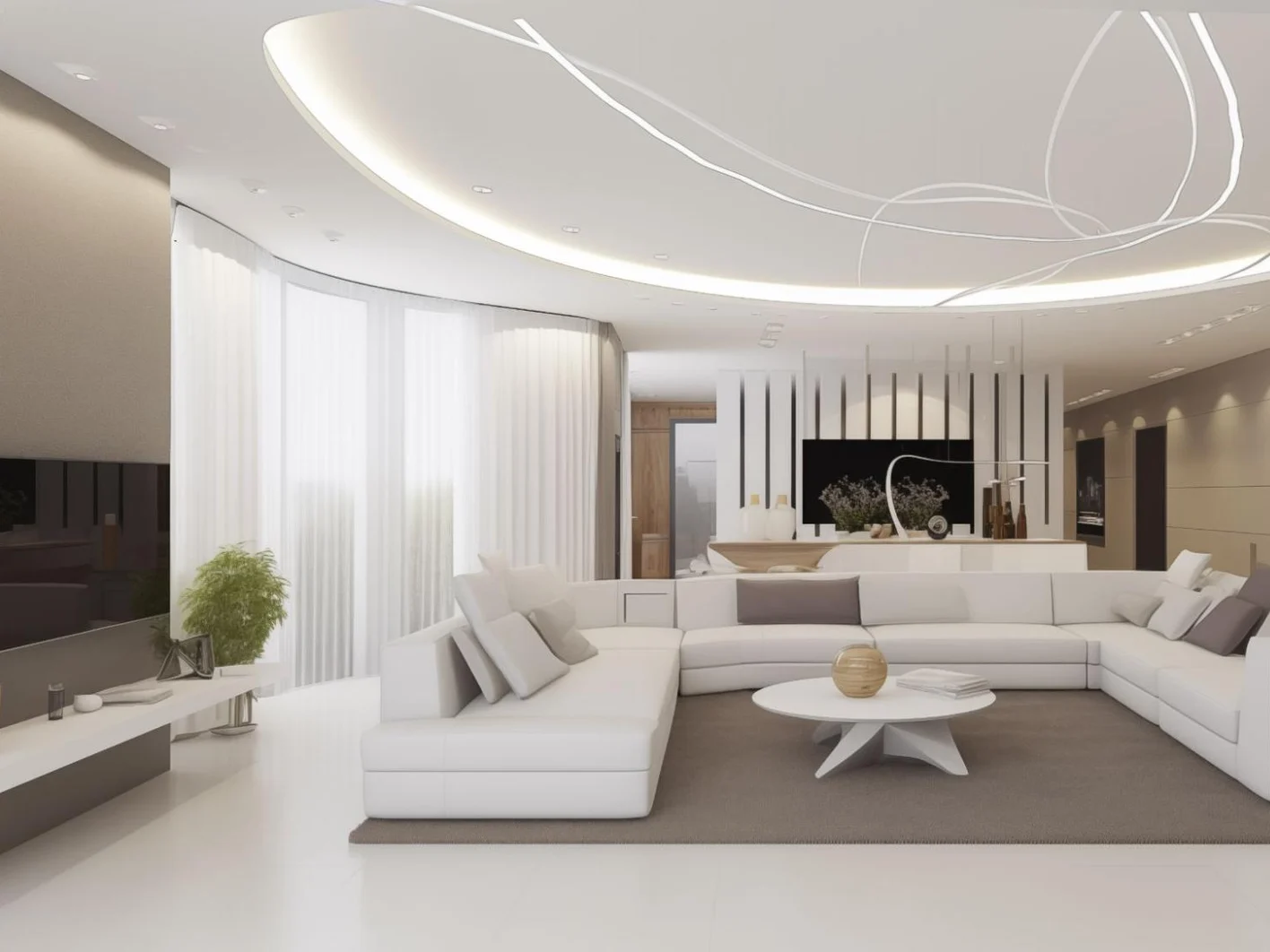
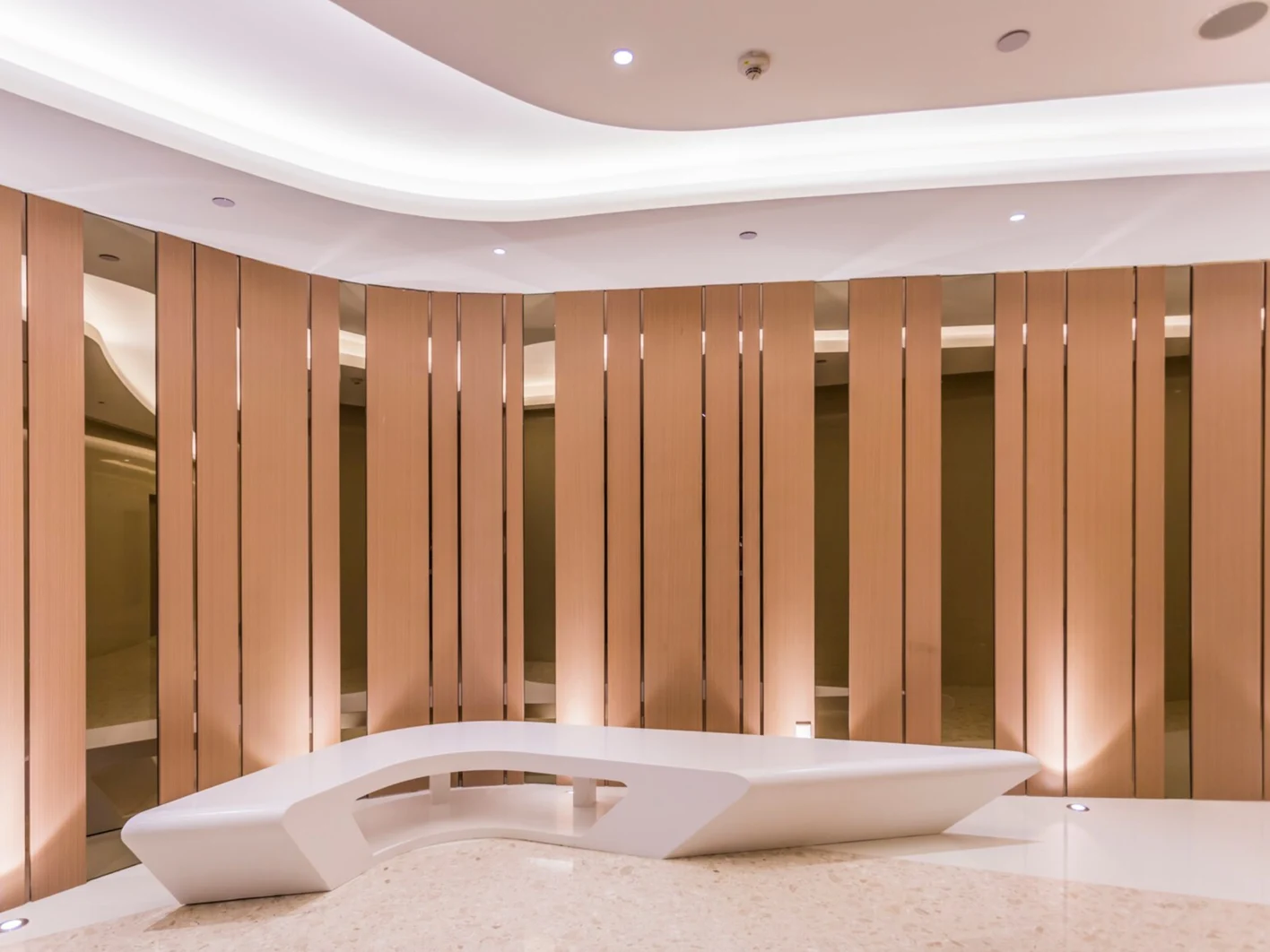
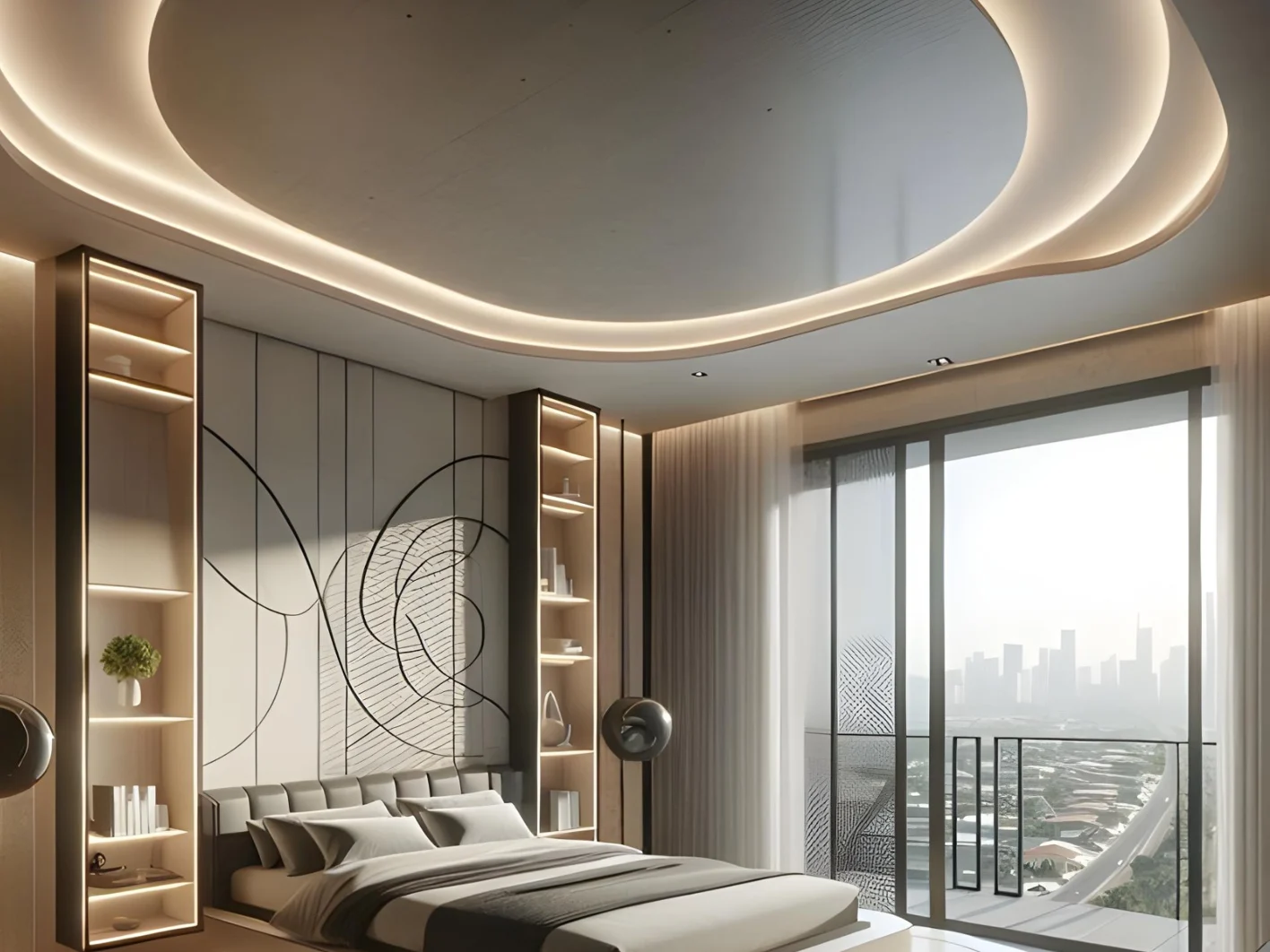
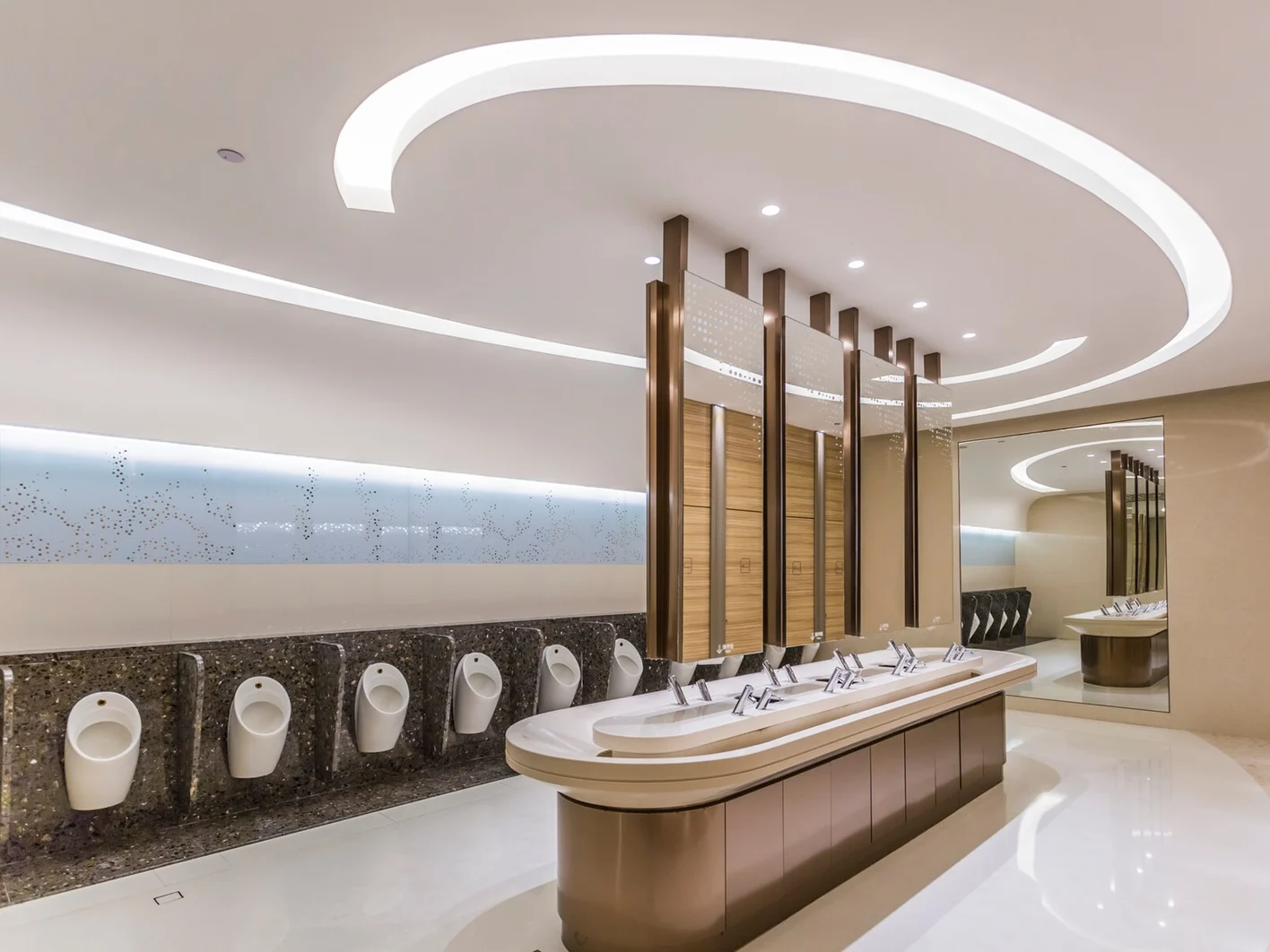
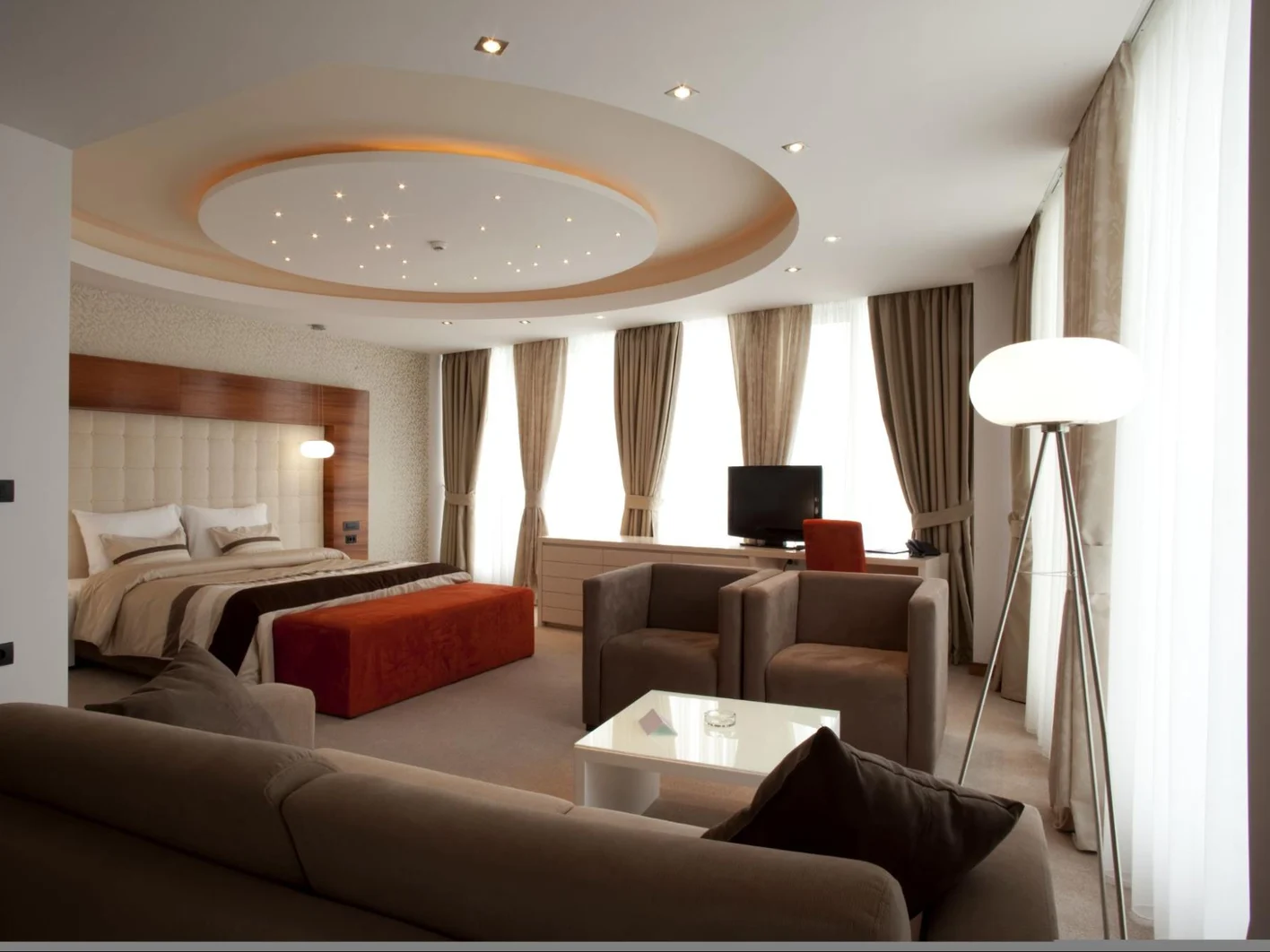
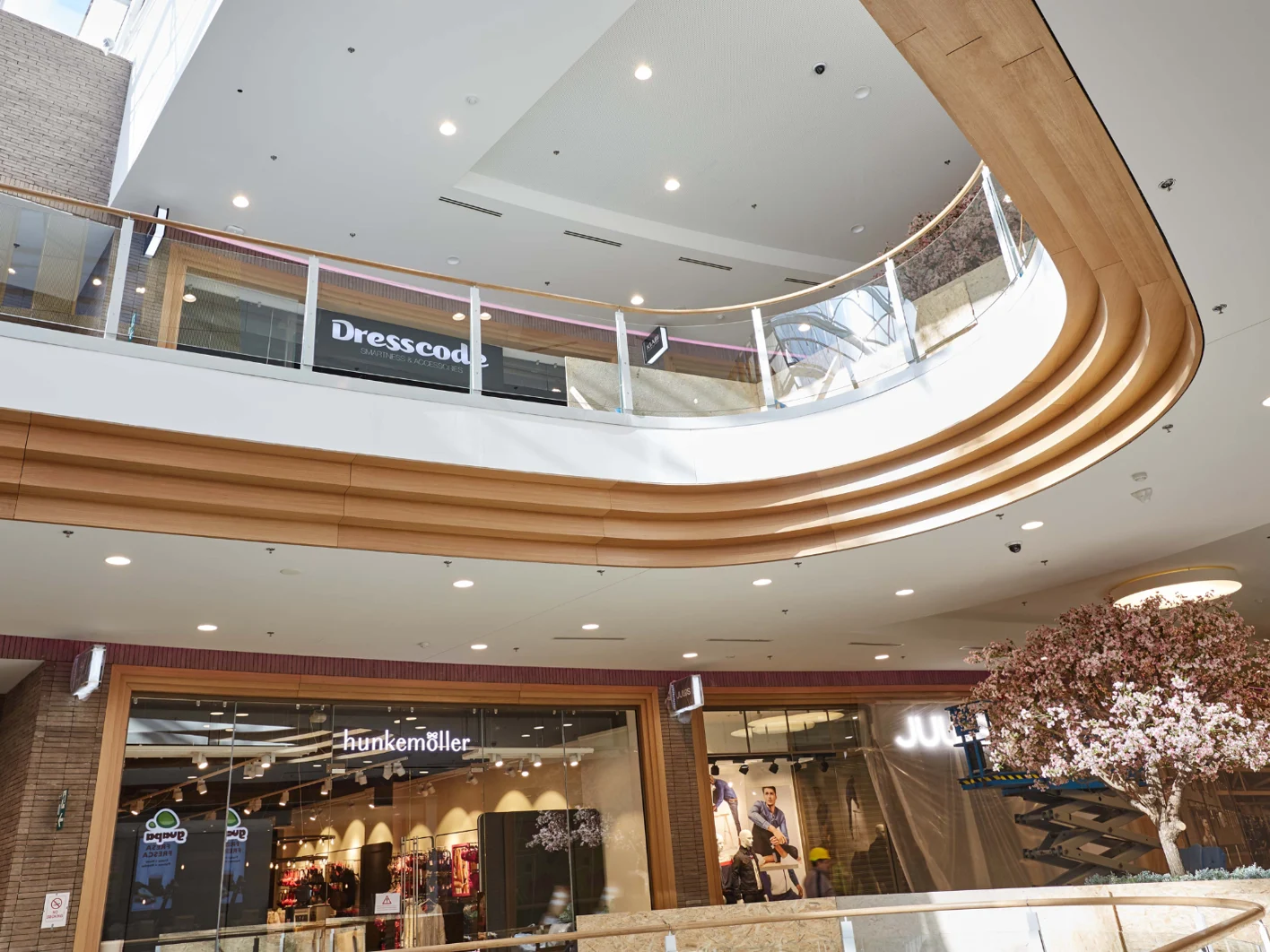
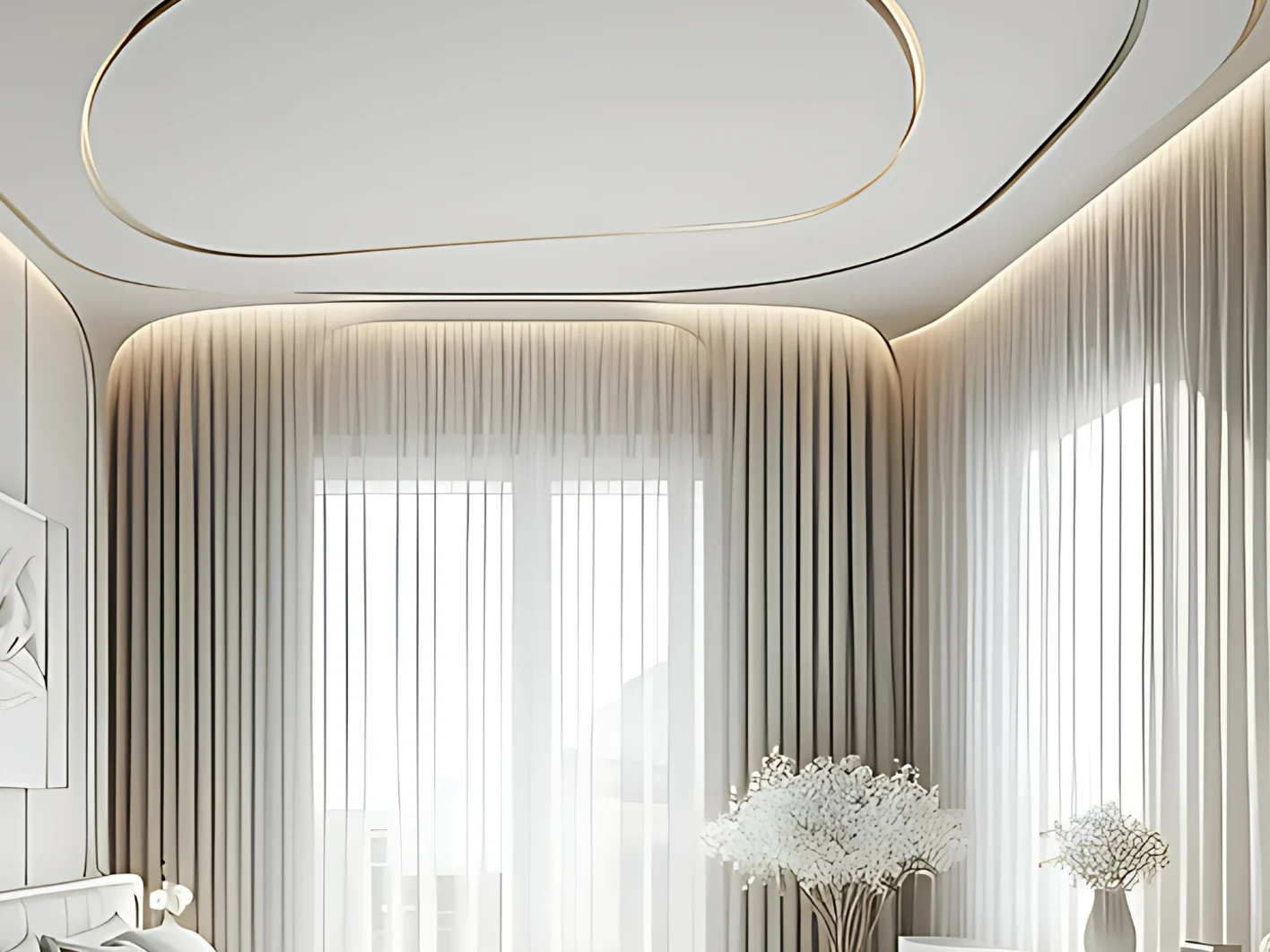
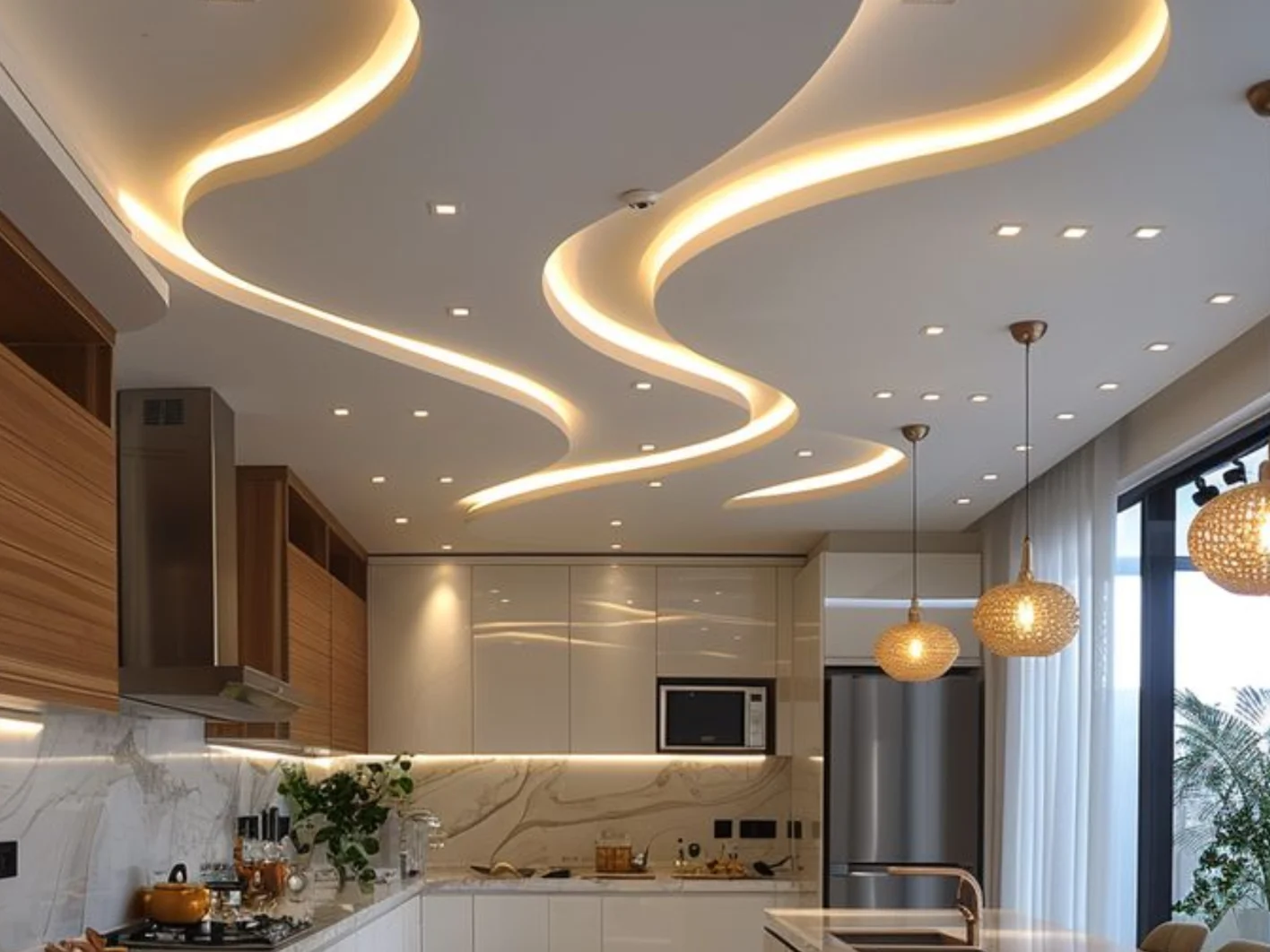
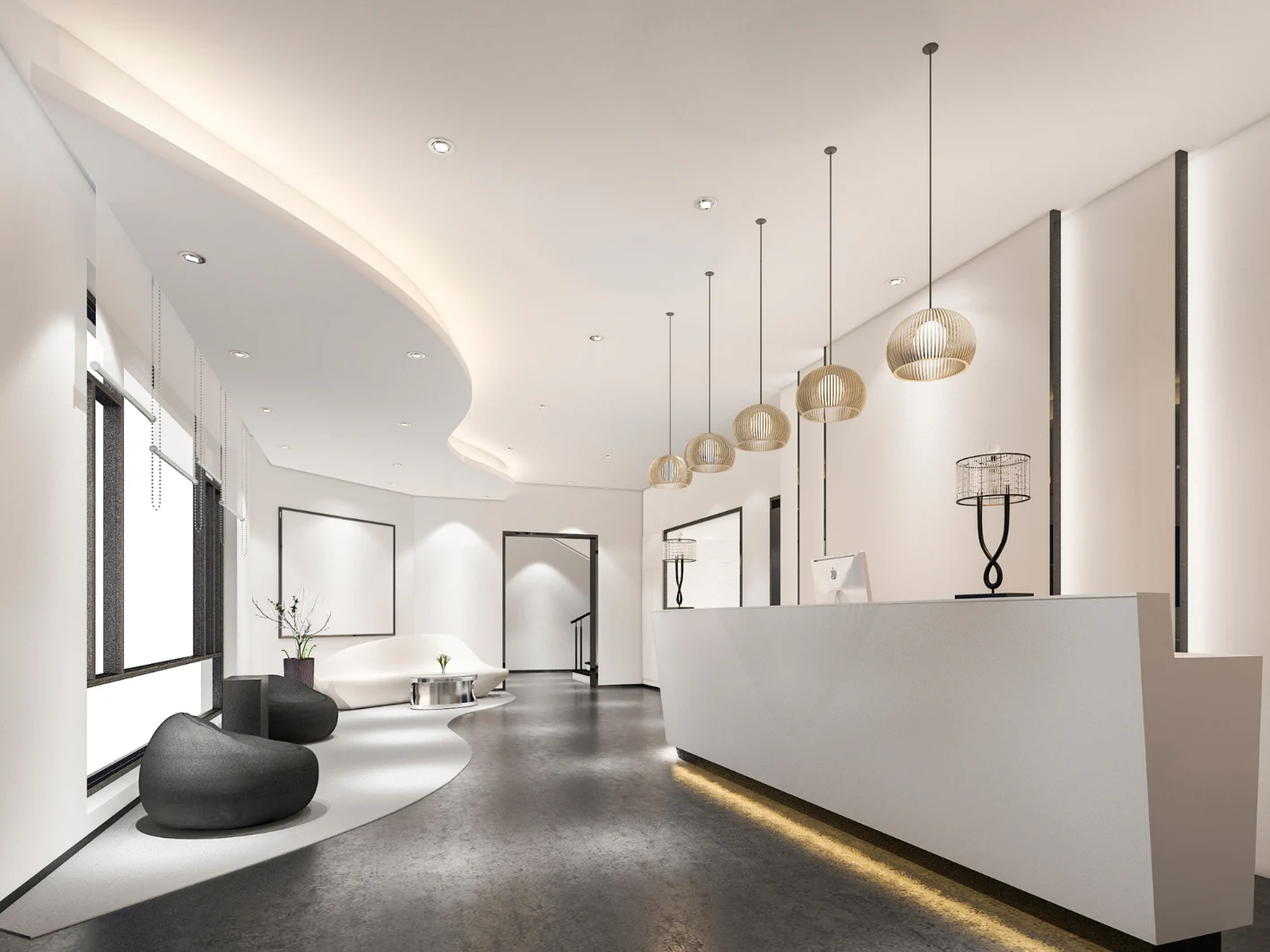
3. 9 Exquisite and Luxurious Curved Gypsum Ceiling Designs
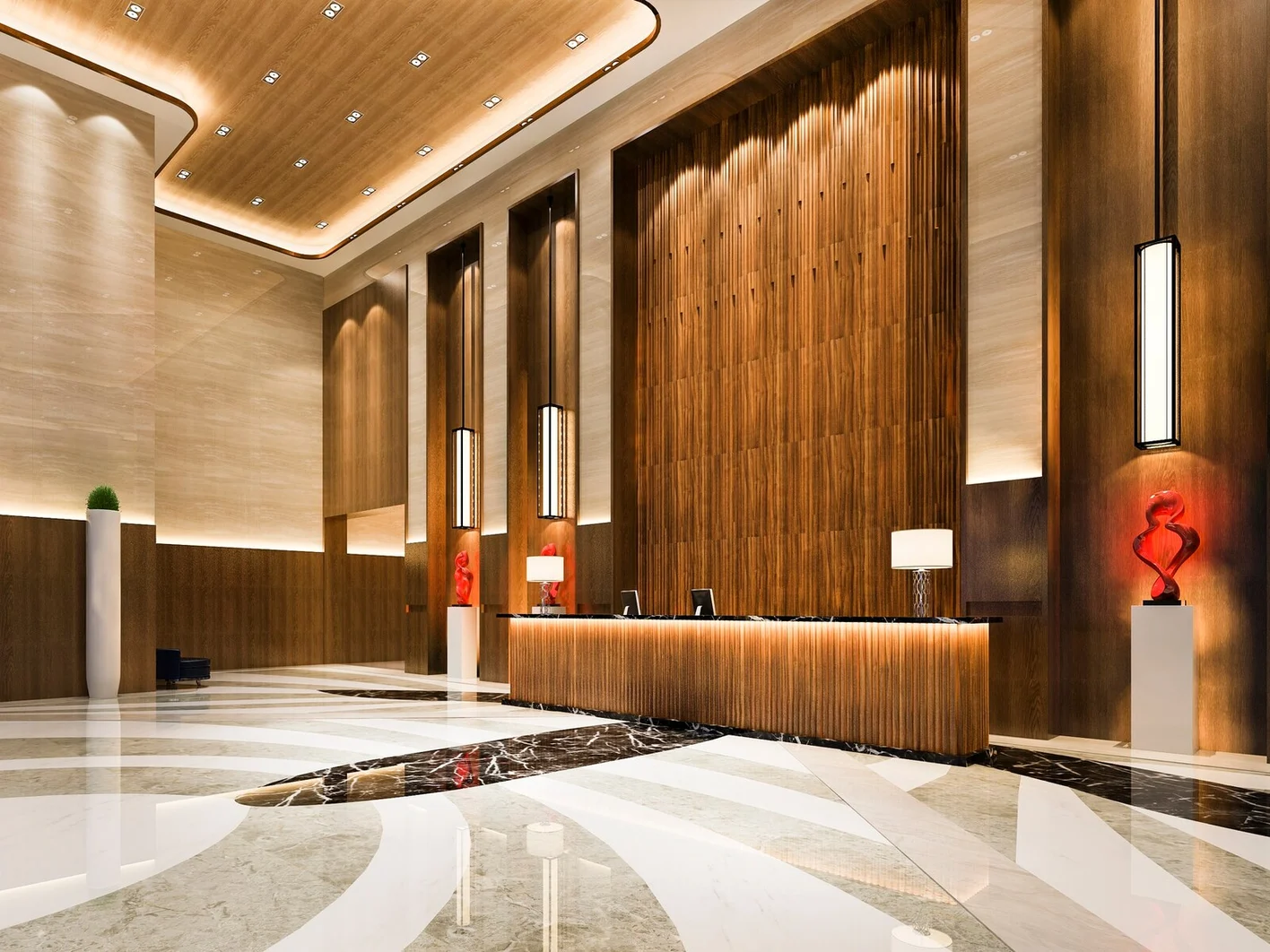
Depending on the form and design style, curved gypsum ceilings can be flexibly applied in living rooms, bedrooms, grand lobbies, or prestigious projects such as hotels and restaurants. Below are some outstanding curved gypsum ceiling designs to provide you with perfect inspiration for your space.
4. How to Create Curved Gypsum Ceilings
The installation of curved gypsum ceilings requires precise techniques and skilled craftsmanship to ensure smooth curves, a robust structure, and optimal aesthetics. Below is a guide to installing two popular curved gypsum ceiling styles:
Rounded (Radius) Gypsum Ceilings feature gentle curves that lend a light, modern, and more spacious feel to the interior. During installation, the process of curving the gypsum boards is critical, demanding precise techniques to achieve uniform curvature and prevent cracking.
Wavy (Undulating) Gypsum Ceilings create a flowing effect, bringing a unique and soft beauty to the space. Compared to rounded ceilings, the installation of this style is more complex due to the high level of skill required to produce smooth, consistent, and accurate wavy contours. Here are the detailed steps for this ceiling type:
Step 1: Prepare Materials and Tools for Wavy Gypsum Ceilings
- Select flexible gypsum boards suitable for creating smooth waves.
- Prepare a flexible framework system, V-profiles, and fixing accessories.
- Gather installation tools: measuring tape, cutter, screw gun, joint compound.
Step 2: Define Design and Mark on the Ceiling
- Measure the installation area and draw the wave pattern to ensure curvature aligns with the design.
- Calculate the spacing between the wave lines to achieve the desired effect.
Step 3: Install the Framework System
- Cut the V-profiles according to each wave curve.
- Secure the framework to the ceiling following the marked lines.
Step 4: Cut and Shape the Gypsum Boards
- Cut the gypsum boards to the dimensions of each wave segment.
- Moisten or score the boards to facilitate bending along the wave contours.
Step 5: Attach the Gypsum Boards to the Framework
- Secure each board along the wave curvature using specialized screws.
- Check for accuracy and adjust to ensure seamless wave transitions.
Step 6: Surface Finishing
- Apply specialized joint tape and Easy Joint90 joint compound to the seams between the gypsum boards.
- Apply a skim coat of joint compound over the entire surface to create a smooth finish.
- Sand the surface after the compound dries in preparation for the final paint finish.
Note:
It is essential to choose gypsum boards with good bending properties. Some lower-quality boards on the market are heavy and have poor flexibility, making it difficult to achieve the desired design shapes.
The installation of curved gypsum ceilings requires professional expertise. Failure to follow the correct procedures can lead to cracking or a loss of the intended curvature. Therefore, it is advisable to select a reputable contractor with a highly skilled team to ensure the quality and durability of the project.
5. Cost Estimate for Curved Gypsum Ceiling Installation
The cost of installing a curved gypsum ceiling is not fixed; it depends on several factors, including labor, design, and the materials used. The cost can fluctuate significantly based on the complexity of the design and the technical requirements of each project.
Labor Costs: Each contractor will have a different price, depending on their skill level, reputation, and location. Highly experienced and professional installation teams ensure better project quality, but their costs may also be higher.
Design Costs: Simple curved ceiling designs generally cost less than intricate, multi-layered, or complex shapes. The more refined the curves, the higher the technical demands, which drives up both labor and material costs.
Below is a reference for material cost estimates per square meter for different types of gypsum boards combined with the Knauf Metal Ceiling System:
Features | Material Cost Estimate |
|---|---|
StandardShield Board + Metal Ceiling | 130,000 - 180,000 VND |
UltraLight Board + Metal Ceiling | 140,000 - 240,000 VND |
MoistShield Board + Metal Ceiling | 140,000 - 220,000 VND |
Ultra MoistShield Board + Metal Ceiling | 150,000 - 280,000 VND |
Note: Material cost estimates can change based on the region, supplier, time of purchase, as well as the quantity and scale of the order. For the most accurate information and best offers, you should contact Knauf directly for a consultation.
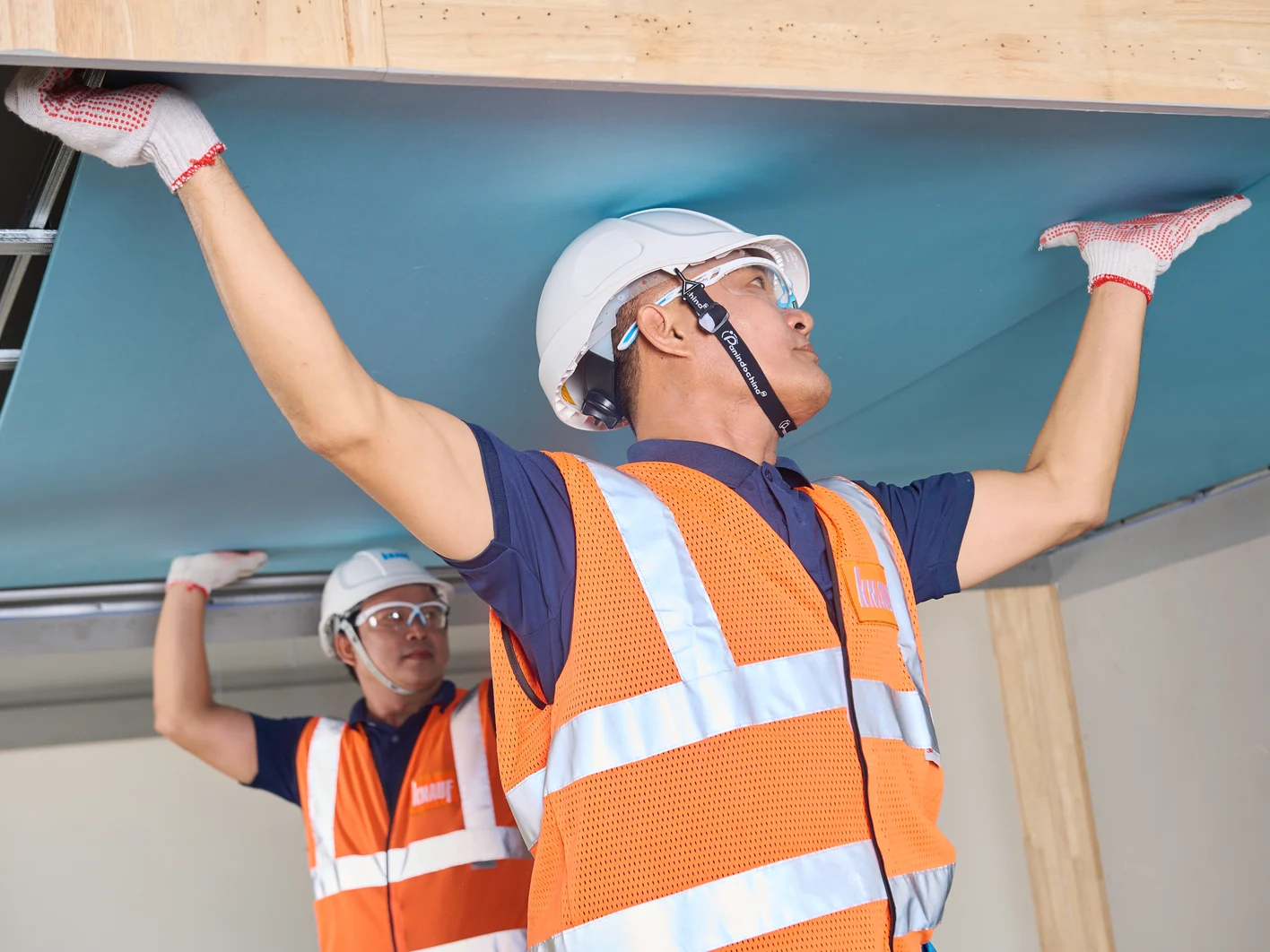
Curved gypsum ceilings are an ideal choice for bringing a soft, modern, and artistic beauty to living spaces. Beyond creating impressive focal points, this ceiling style reflects design sophistication and contributes to an enhanced overall aesthetic value. However, achieving perfect results requires precise installation techniques, high-quality materials, and a skilled team of craftsmen.
If you are seeking a high-quality curved gypsum ceiling solution, contact Knauf today for detailed consultation and support, helping you bring your design ideas to life flawlessly!
Furthermore, for high-humidity areas such as mountainous regions, coastal areas, islands, or places experiencing prolonged dampness like the Northern regions, you can opt for our upgraded product lines such as Knauf's MoistShield moisture-resistant gypsum boards or Ultra MoistShield premium high-moisture-resistant gypsum boards. These products not only protect the ceiling from the effects of moisture, limiting warping, but also maintain long-term aesthetic appeal, ensuring the space remains bright, beautiful, and durable over time.
Leave your details- Our team will get in touch soon!
At Knauf Vietnam, we are dedicated to providing exceptional support for all your construction needs. Whether you have questions about our products, need technical assistance, or want to learn more about our services, we are here to help!
- Our Entities
- Knauf Gypsum
- Connect with Knauf
- Contact Us
- Blog
- Global Career
- Newsroom