
Fire-resistant materials are specially designed or treated to slow the spread of fire and smoke, while withstanding high temperatures and maintaining their structural integrity for a certain period during a fire. So, what are the top-rated, safe, and effective fire-resistant materials you should know about for your home or construction project? Let's find out in the list below.
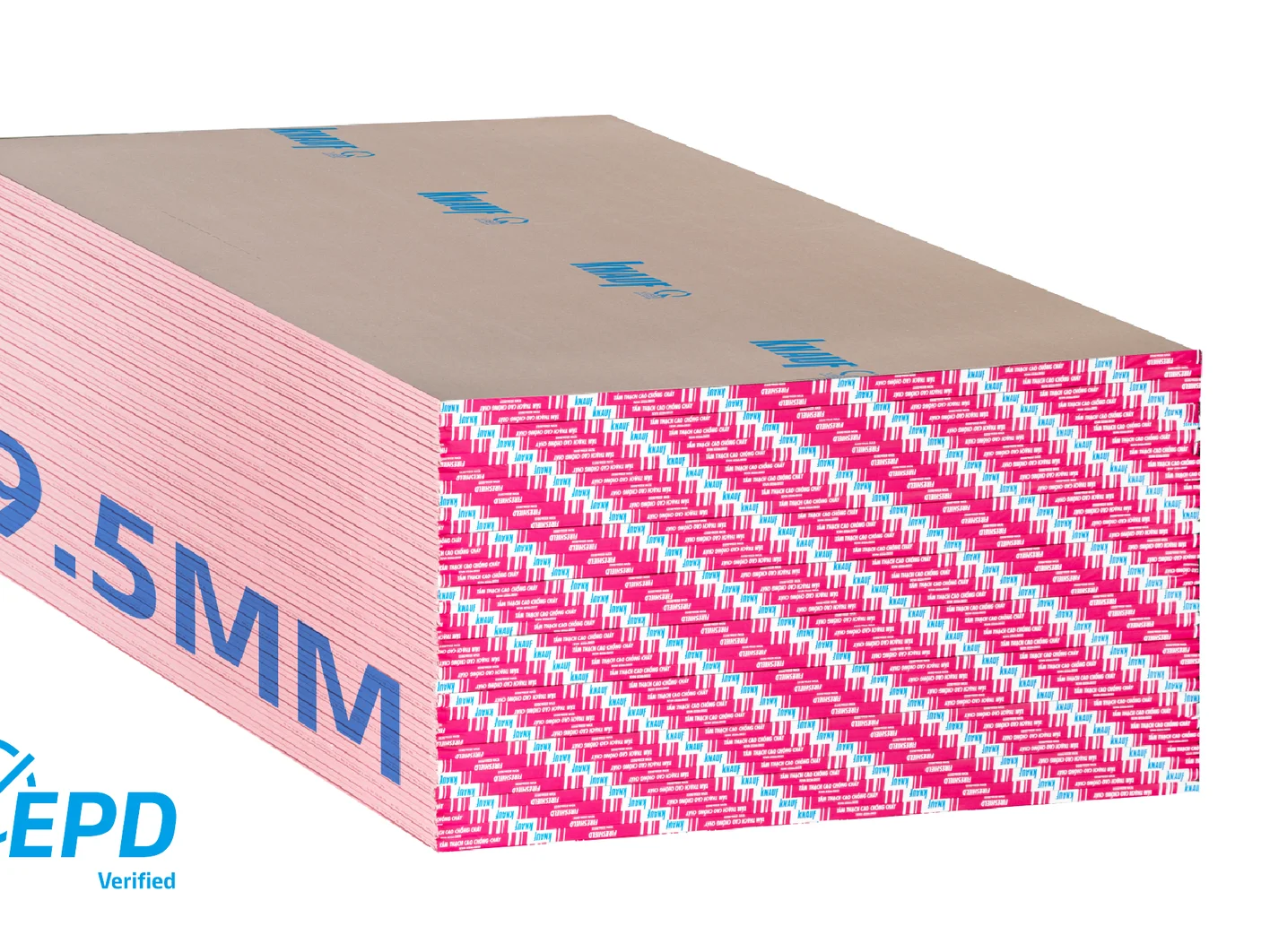
Due to their lightweight nature, ease of installation, and compliance with fire safety standards, fire-resistant gypsum boards are widely used for a variety of applications. These include creating fire-rated ceilings and partitions in residential buildings, offices, and commercial centers. They are also used for wrapping columns and beams in factories and industrial facilities, or for cladding air ducts and steel structures in high-rise buildings. For optimal performance, it is crucial to use a complete fire-rated ceiling or partition system from a single manufacturer. This ensures seamless compatibility between the materials, accessories, and installation methods.
With international prestige and extensive experience, Knauf's FireShield fire-resistant gypsum board is a top choice for projects that require stringent safety standards. Knauf's fire-rated systems offer superior fire resistance in accordance with international certifications. They have also been certified by reputable industry testing agencies, such as the Vietnam Institute for Building Materials (VIBM).
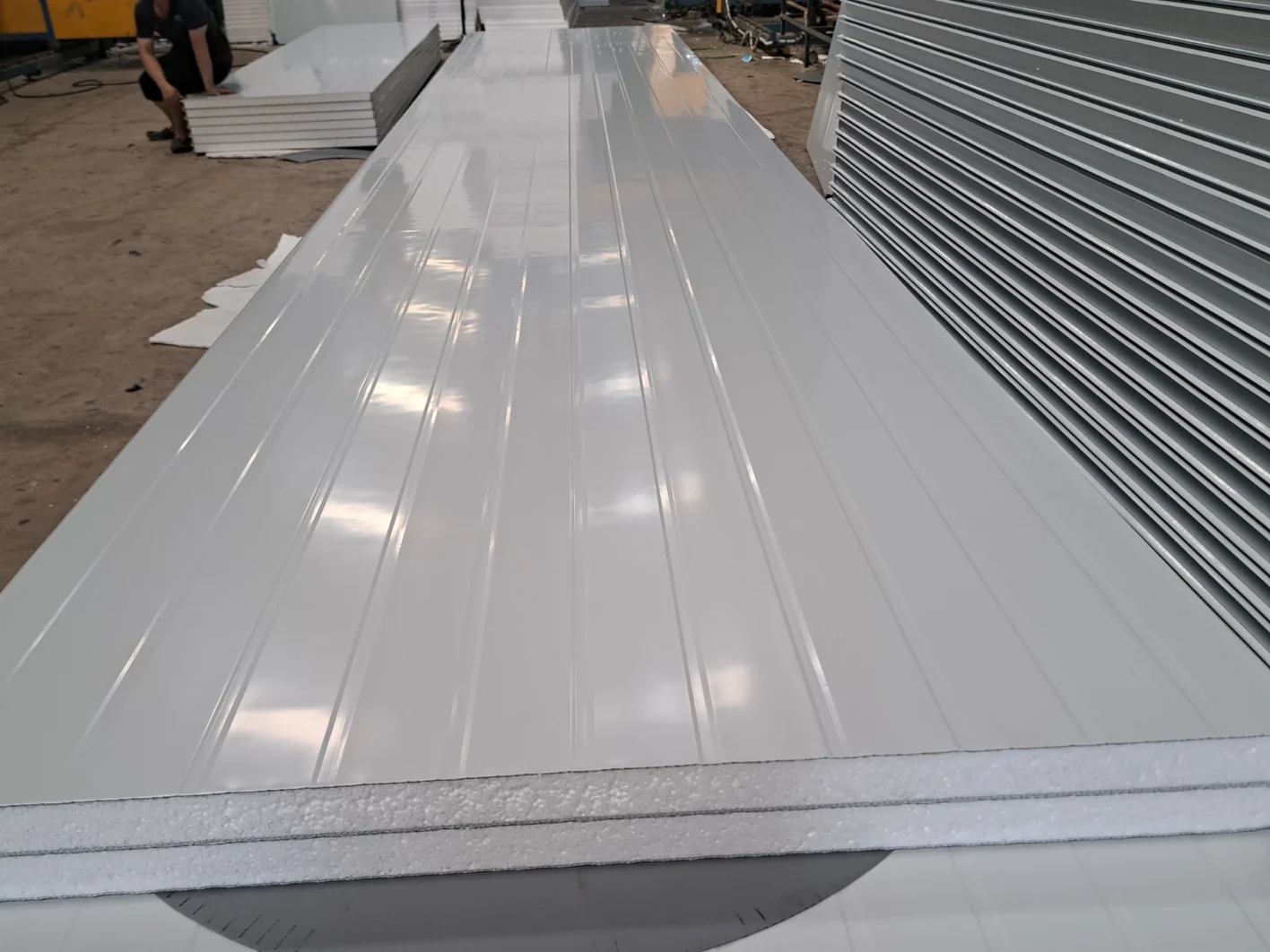
With advantages such as being lightweight, easy to assemble, highly durable, and having superior fire resistance, fire-resistant panels are often used as partitions and ceilings for workshops, cold storages, clean rooms, or prefabricated buildings. This product not only enhances fire safety but also helps with sound and thermal insulation, shortens construction time, and reduces structural load, making it especially suitable for projects that require strict hygiene and temperature control.
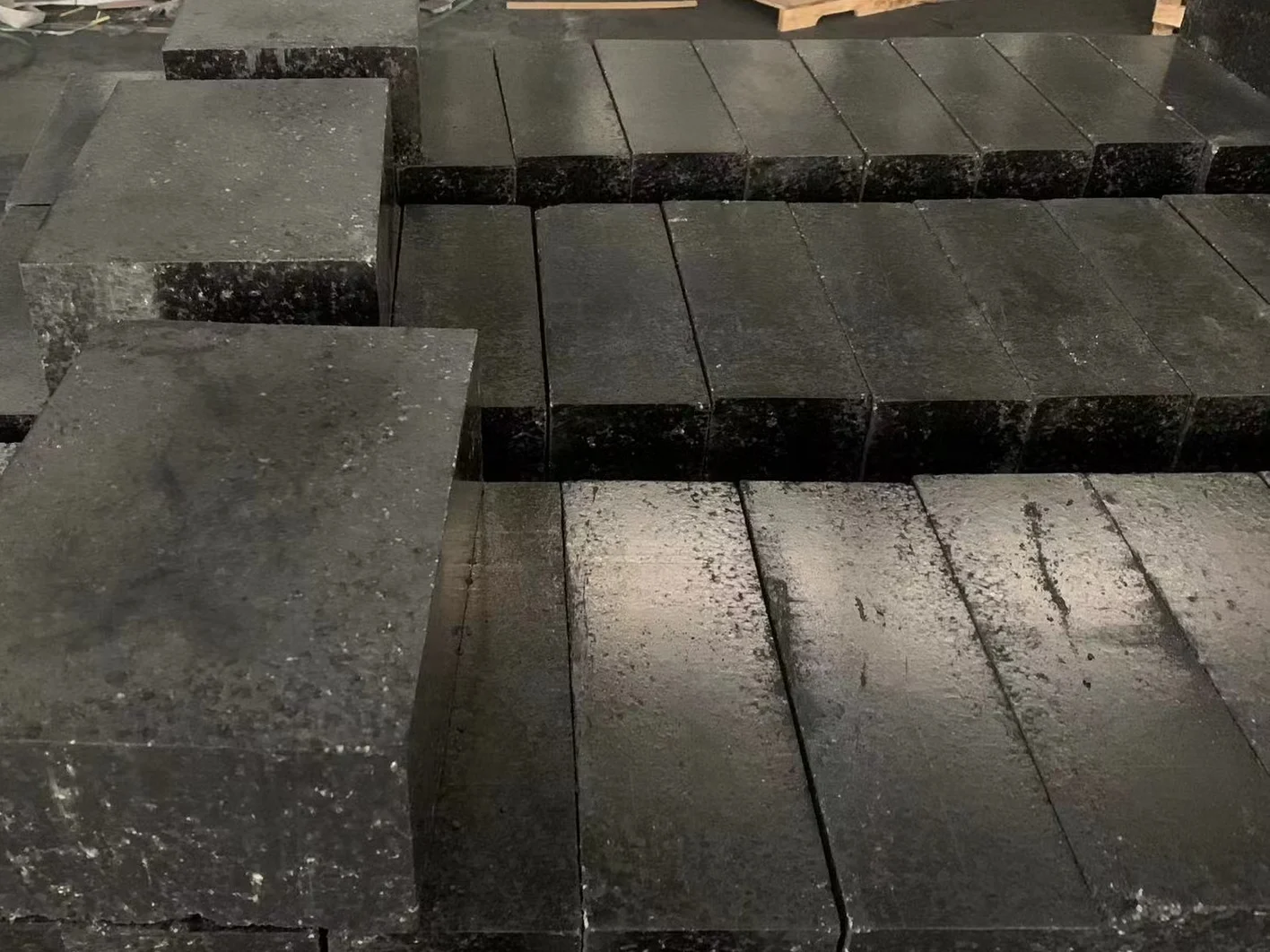
In construction, fire-resistant non-fired bricks are widely used to build exterior walls and partitions for homes, offices, workshops, or public buildings. Their outstanding advantages include thermal insulation, fire resistance, high compressive strength, and good waterproofing, which helps increase a building's lifespan. Notably, thanks to their lighter weight compared to fired bricks, these bricks help reduce the load on foundations and also contribute to the trend of green and sustainable construction.
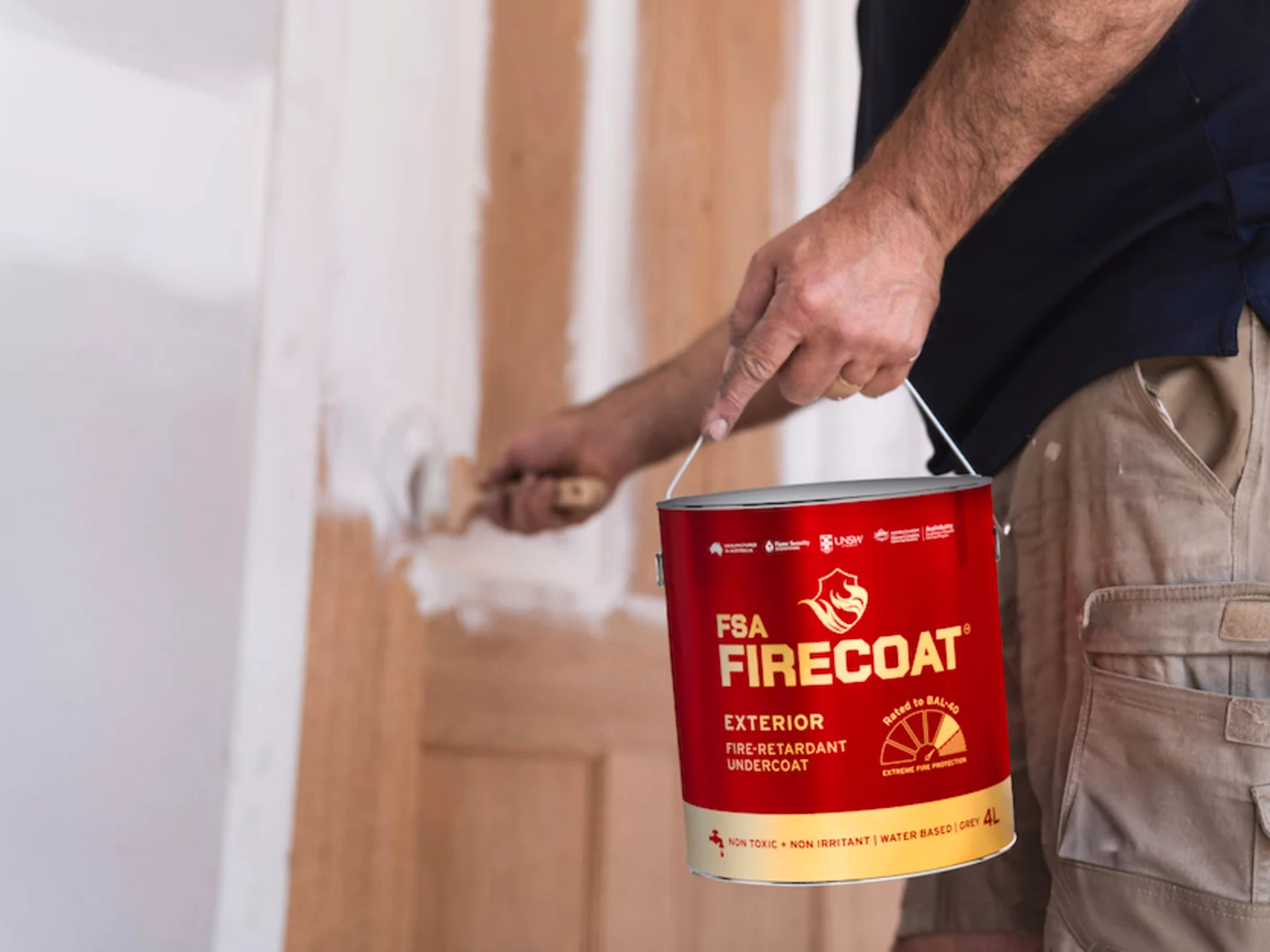
In appearance, fire-resistant paint often has a color similar to regular decorative paint but can be identified by a symbol or technical information on the packaging. Thanks to its effective mechanism, this paint is widely used to protect steel structures in workshops, high-rise buildings, and commercial areas; to coat and protect wooden surfaces in residential or public buildings; and to increase the fire resistance of concrete walls and ceilings.
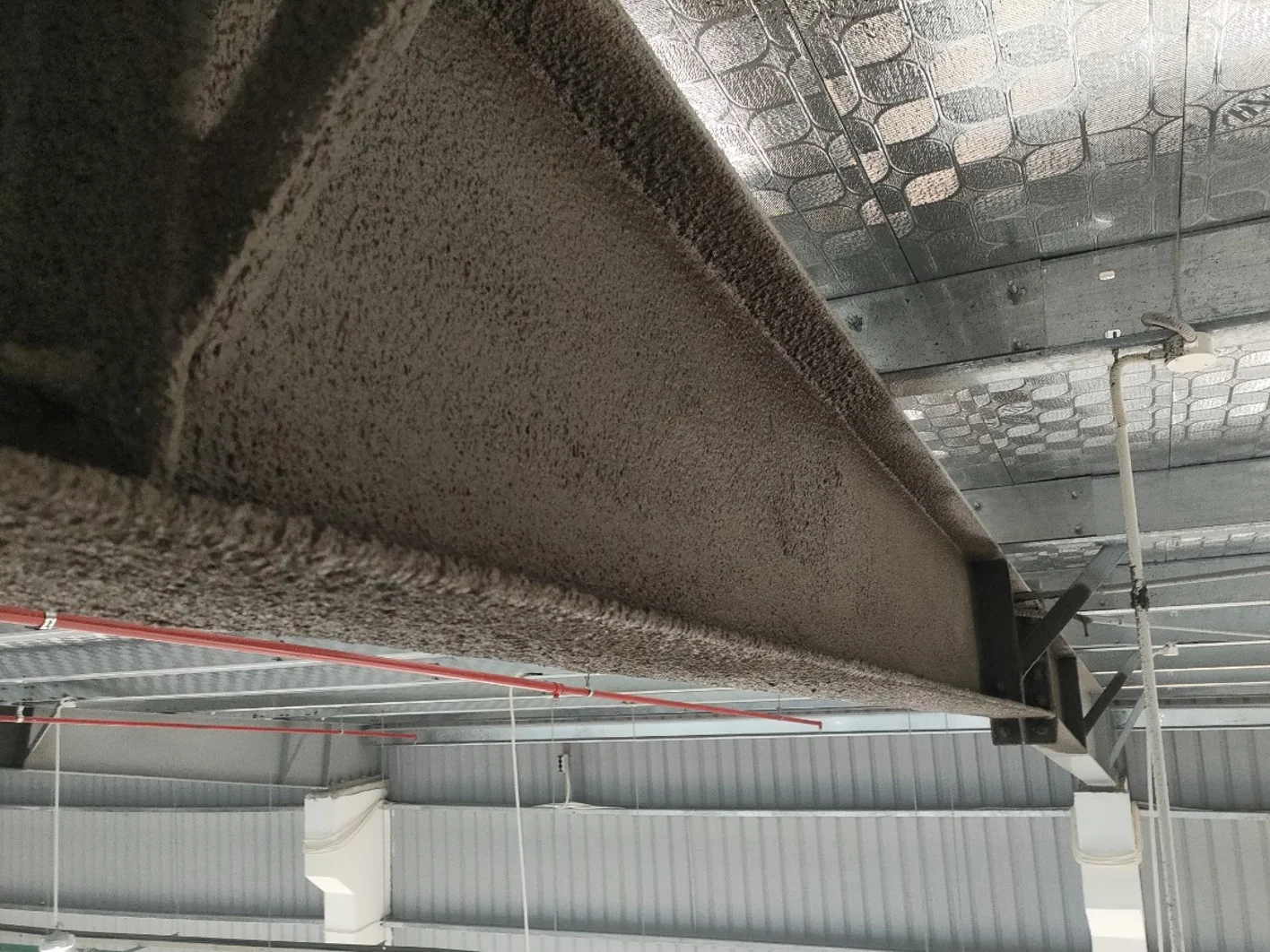
In practice, fire-resistant mortar is often sprayed or troweled directly onto the surface of steel and concrete structures in factories, warehouses, basements, or technical areas of high-rise buildings. This layer of mortar forms a durable protective barrier, extending the building's fire resistance rating, which gives occupants more time to evacuate and firefighters a greater opportunity to control the fire.
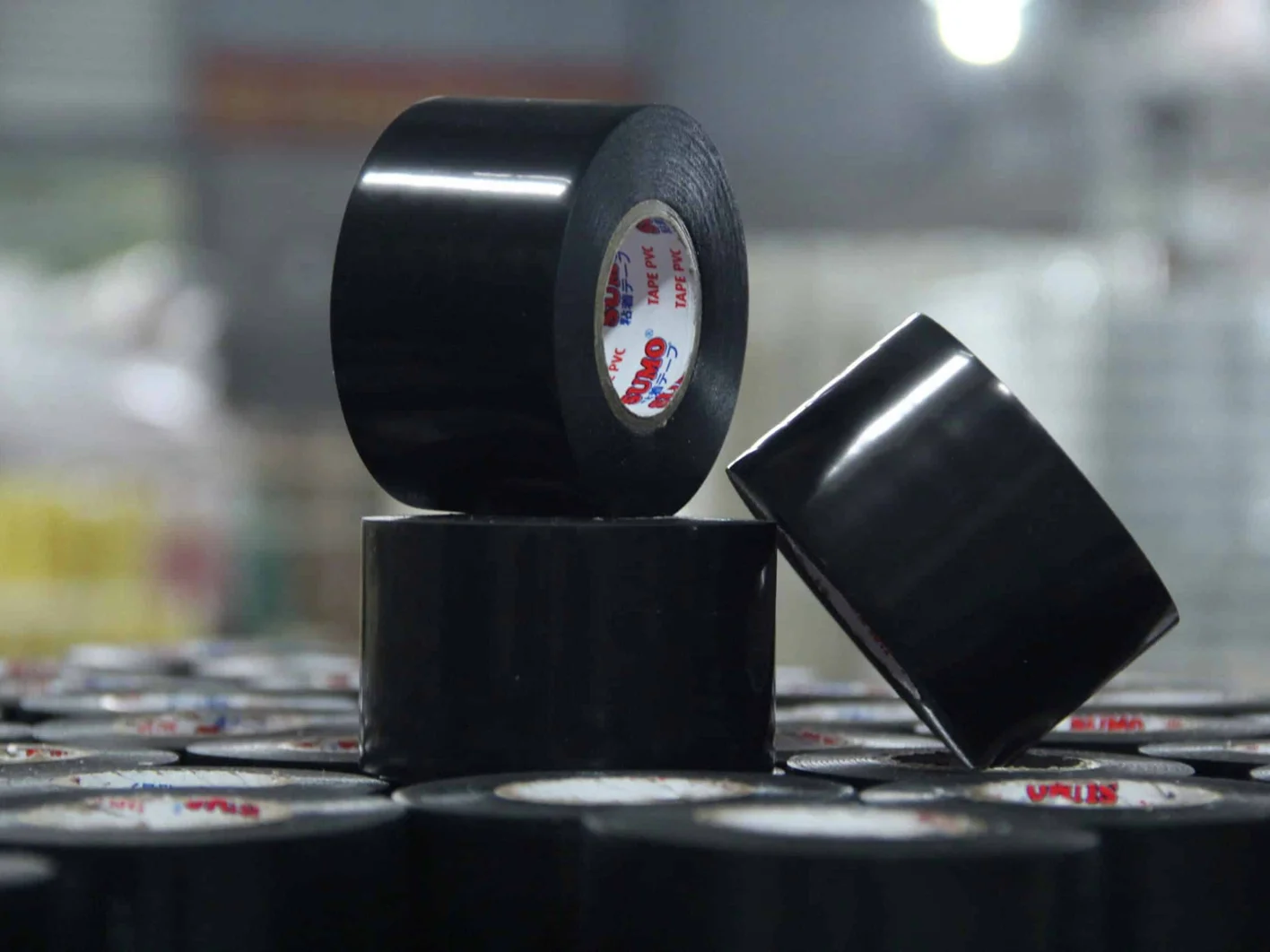
Fire-resistant sealants and tapes are commonly used to seal openings in high-rise buildings, commercial centers, hospitals, workshops, or any location where wiring or piping runs through floors and rooms. Thanks to their optimal sealing ability, these products help increase fire safety while also helping to maintain a building's sound and thermal insulation.
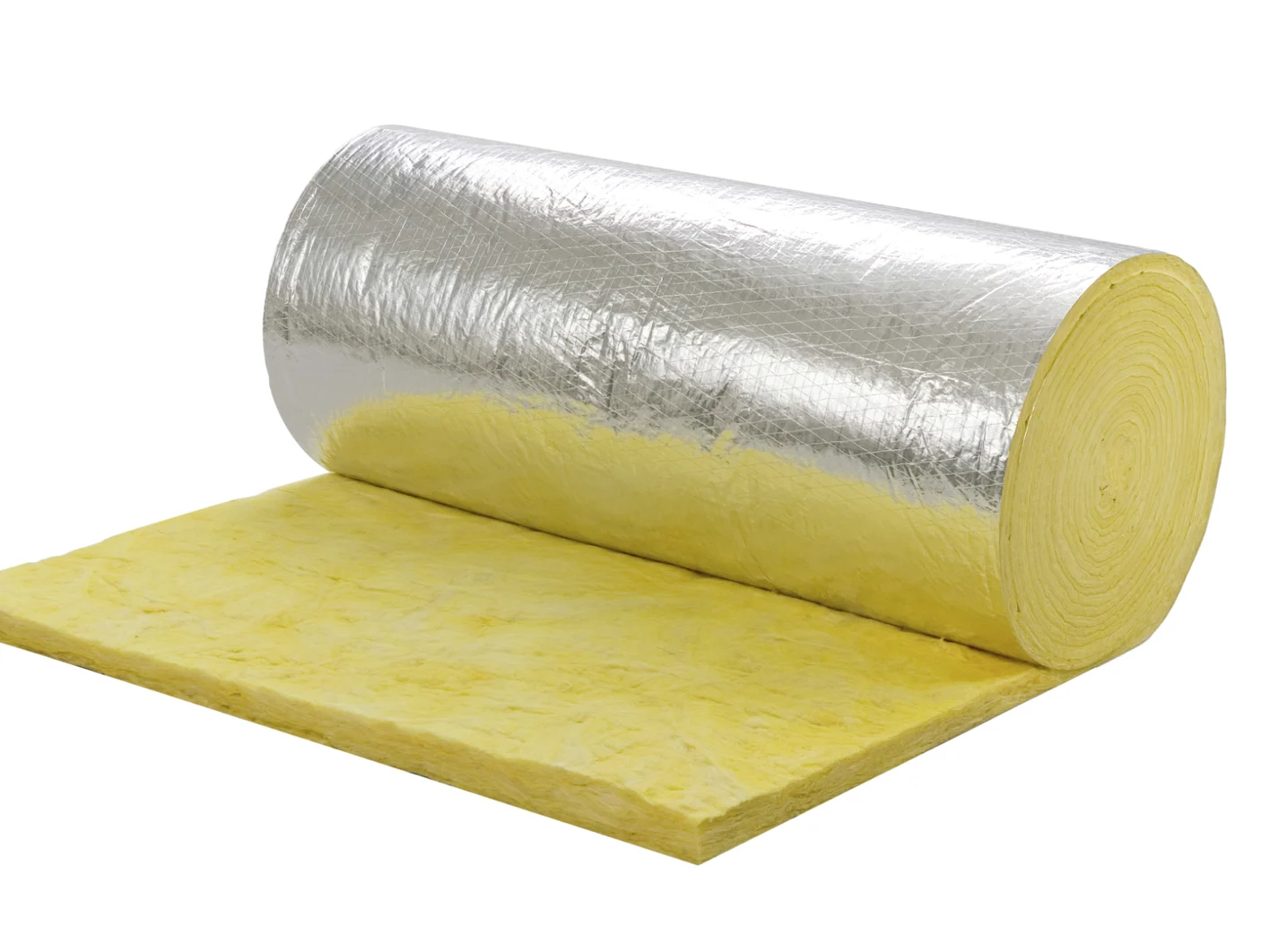
In construction, fiberglass insulation is often installed between two wall layers, between a brick wall and a gypsum layer, or used to insulate ventilation systems, roofs, and suspended ceilings. Beyond blocking heat and noise, it also helps limit the spread of fire, creating a safer environment for residential, working, and manufacturing spaces. It is one of the preferred fire-resistant materials due to its reasonable cost, ease of installation, and long lifespan.
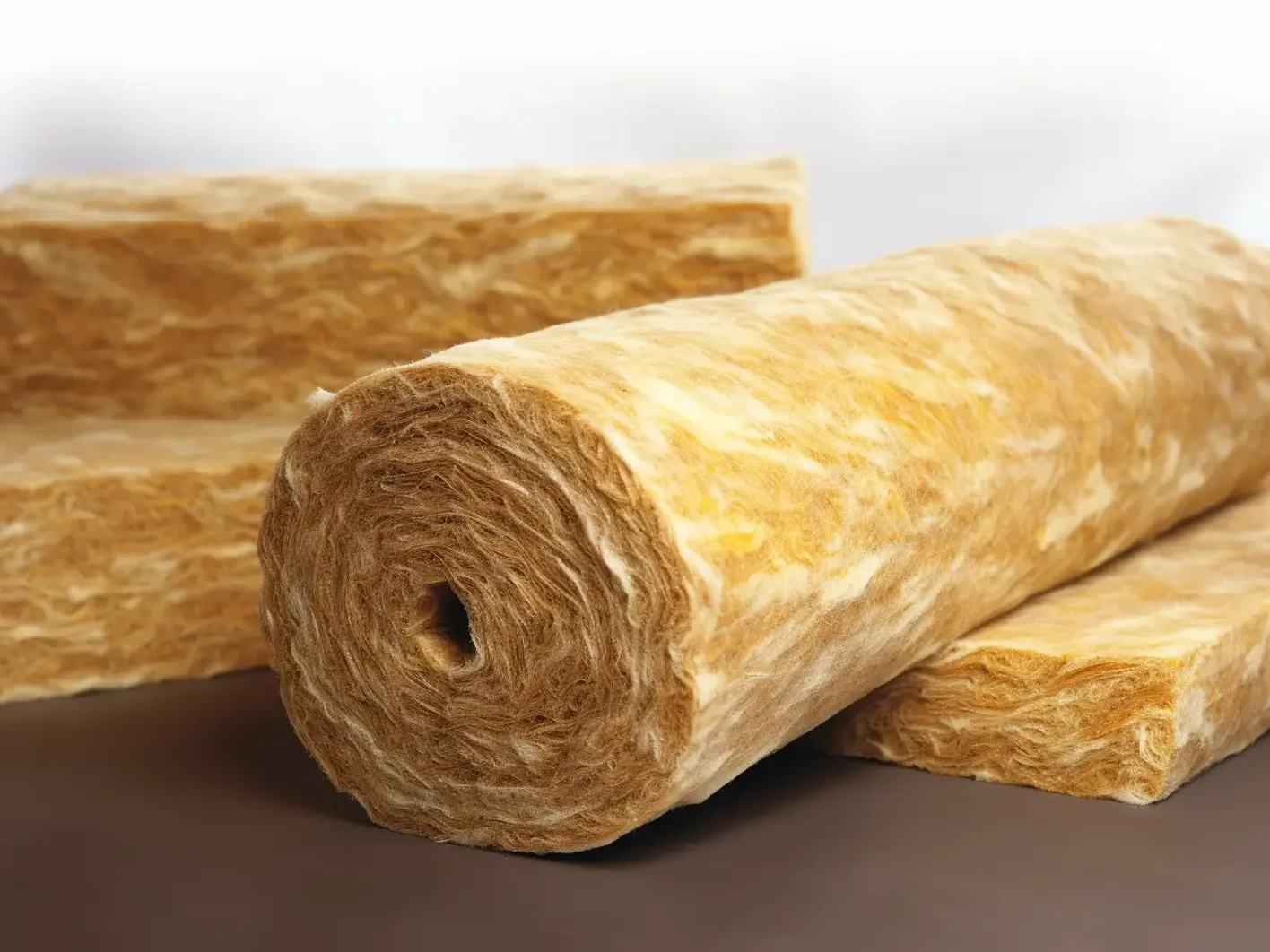
In appearance, rockwool is light yellow or yellowish-brown and comes in the form of sheets, rolls, or pipes, with a surface that can be covered with foil to increase heat reflection. Thanks to its effective thermal insulation, sound insulation, and fire resistance properties, rockwool is widely used in buildings that require strict fire safety standards, such as workshops, machine rooms, ventilation systems, theaters, karaoke rooms, or technical areas.
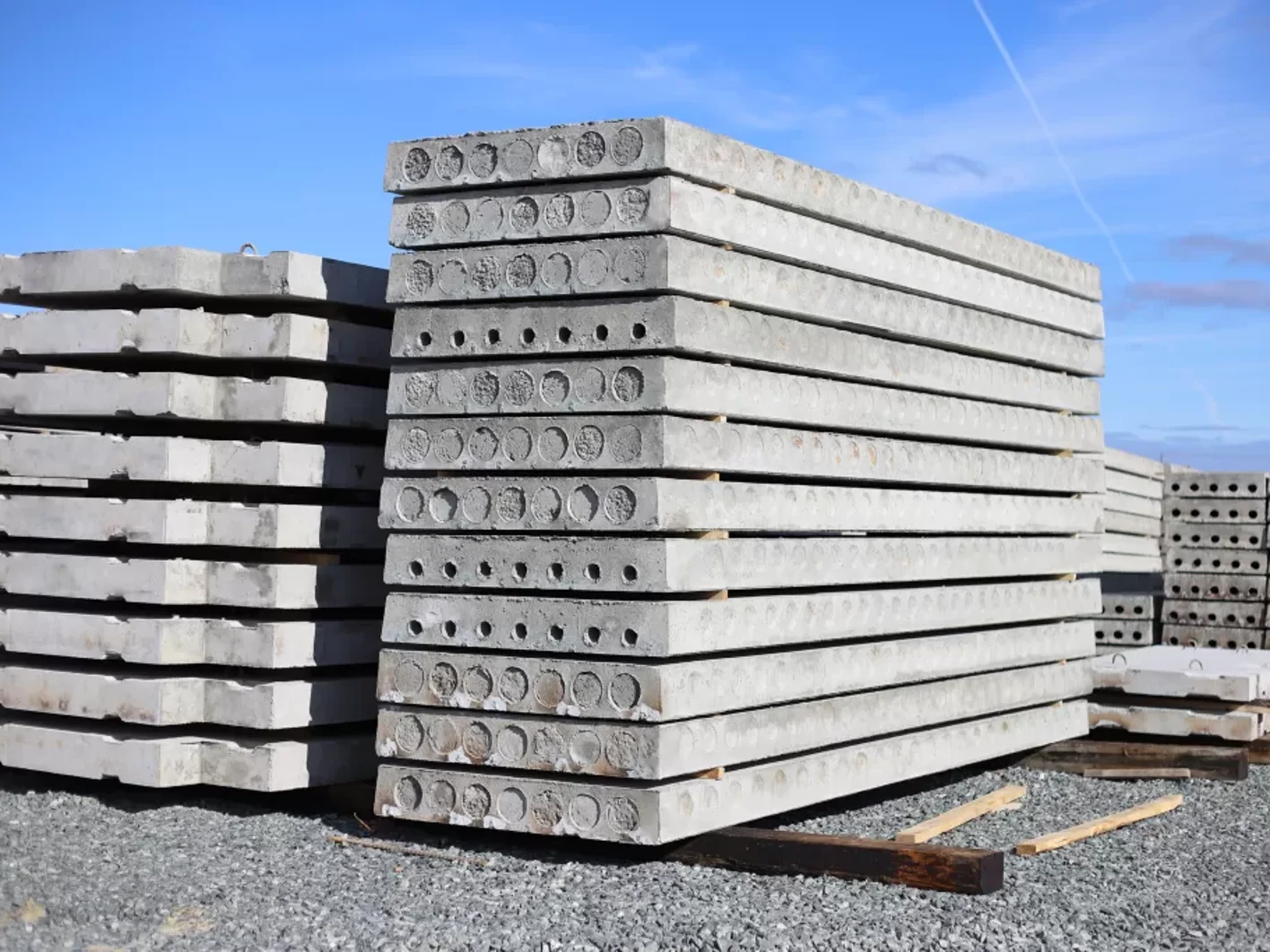
In practice, concrete is widely used in almost all types of construction, from residential homes, office buildings, and commercial centers to infrastructure such as bridges, tunnels, and hydroelectric dams. When combined with other fire-resistant construction solutions and materials, concrete becomes a durable protective layer, ensuring the building maintains its load-bearing capacity even under severe fire conditions.
As a result, each type of fire-resistant material has its own unique characteristics and advantages, from thermal insulation and slowing the spread of fire to maintaining structural durability in high-temperature environments. Choosing the right material not only helps enhance fire safety but also optimizes costs and a building's lifespan.
Contact Knauf today for a more detailed consultation on the right fire-resistant solutions and products for your project!
- Our Entities
- Knauf Gypsum
- Resources
- Products
- Download Center
- Our Services
- Connect with Knauf
- Contact Us
- Blog
- Global Career
- Social Channels