
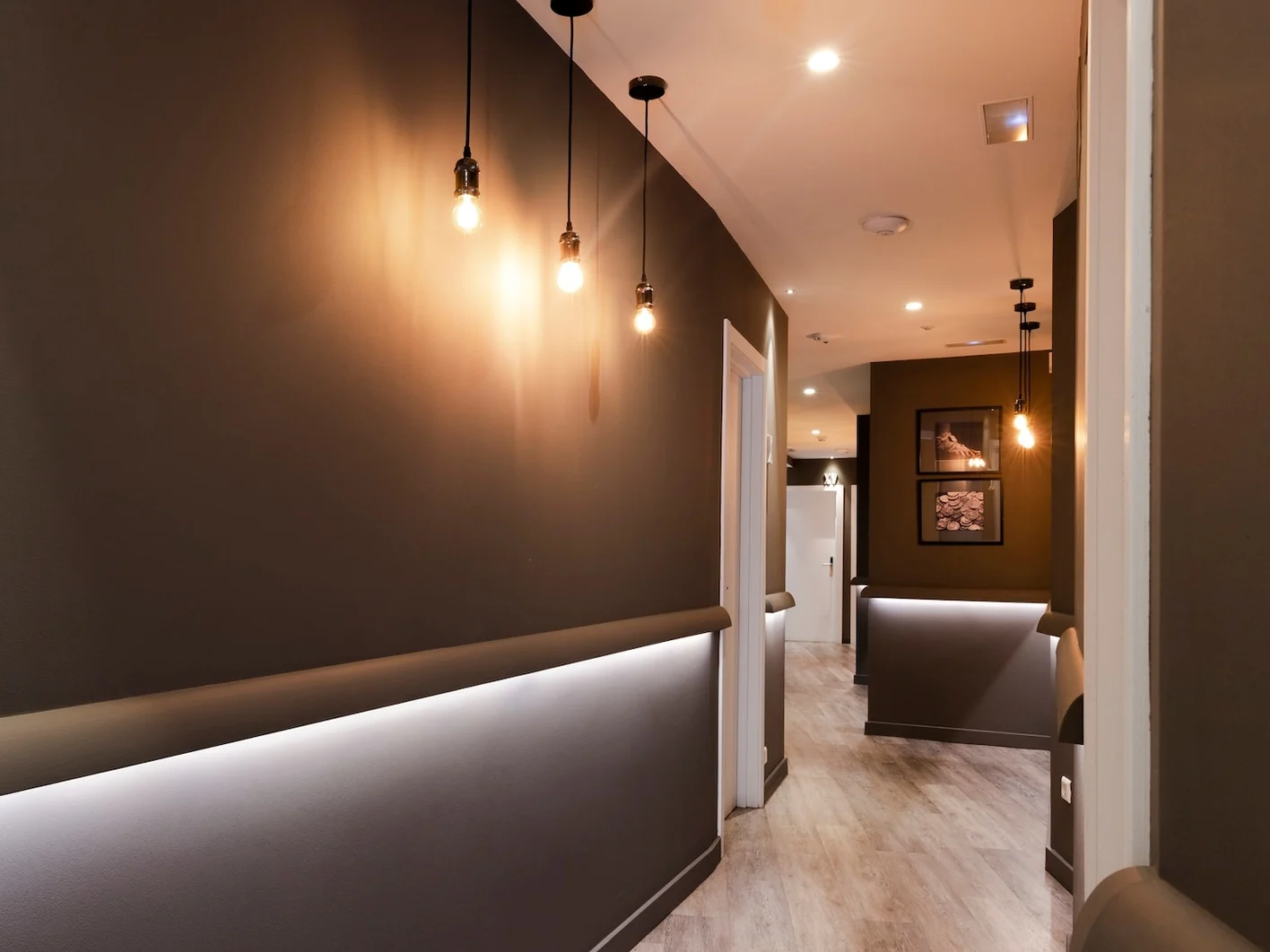
How Important Are Fire-Rated Ceilings?
In a fire protection system, fire-resistant partition walls create horizontal fire compartments, while fire-rated ceilings ensure vertical fire containment. Depending on the structure and design requirements, fire-rated ceilings can be used to reduce the fire volume, provide two-way fire protection, isolate ceiling spaces from escape routes, and enhance the fire resistance of load-bearing floor structures.
To ensure fire-rated ceilings perform effectively according to project requirements, special attention must be paid to the following factors during the design process:
Metal Profile System
- The metal profile design must correspond to the ceiling's projected load.
- The metal profile can vary depending on many factors, including ceiling span, resistance to movement and deflection, and specific fire resistance requirements.
- The fire-rated ceiling frame system needs to be securely fixed to the overhead structure to ensure stability and load-bearing capacity under fire conditions.
Gypsum Board System
The board material used for fire-resistant ceilings must be non-combustible, not sustain fire, and capable of forming an effective barrier between the fire below and the ceiling frame above, preventing the spread of flames.
Standards for Evaluating Fire-Rated Ceiling Systems
The concept of "Fire Resistance Rating" is used to assess a ceiling system's ability to resist fire, particularly for fire-rated gypsum ceilings. This rating indicates the duration (in minutes) for which the ceiling system maintains critical technical properties when subjected to high temperatures under standard testing conditions. The furnace temperature will be continuously increased according to the temperature-time relationship curve, from ambient temperature until the moment the experiment is stopped.
The technical properties evaluated during this testing are expressed through three criteria, collectively denoted as REI:
- R (Resistance to Load): This criterion assesses the component's (ceiling system's) ability to maintain its mechanical load-bearing capacity under high temperatures. Specifically, the component must retain its structural stability, without excessive deformation, cracking, or collapse under the simultaneous application of design loads and high temperatures.
- E (Integrity): This criterion evaluates the component's ability to prevent the penetration of flames and combustion products (smoke, toxic gases) from the burning area to the non-burning area. A component meets the integrity requirement if no cracks, holes, or deformations appear that would allow flames and smoke to pass through. This criterion does not consider the component's heat transfer capability.
- I (Thermal Insulation): This criterion assesses the component's ability to limit heat transfer from the fire-exposed side to the non-fire-exposed side. This ensures that the temperature on the side not directly exposed to flames does not exceed a certain limit (typically an average temperature increase of 140°C or a point temperature increase of 180°C). This prevents the ignition of flammable materials on the protected side and shields people from thermal radiation burns.
These three REI criteria define the application scope of fire protection solutions. The specific requirements for each R, E, and I criterion vary depending on the project's particular needs and design standard regulations. For example:
- In load-bearing components (like columns, beams, and floors), all three R, E, and I criteria are important.
- In fire compartmentation components (like walls and partitions), criteria E and I are usually prioritized.
For a fire-rated gypsum ceiling system to be considered fire-compliant, both the E (Integrity) and I (Thermal Insulation) criteria must meet or exceed the specified fire resistance duration. For instance, a gypsum ceiling system certified as EI 120 (meaning it has a fire resistance rating of 120 minutes) must maintain both its integrity and thermal insulation for at least 120 minutes under standard testing conditions. This implies that the ceiling system must prevent flames and smoke from penetrating, while also limiting the temperature increase on the opposite side throughout the 120-minute period.
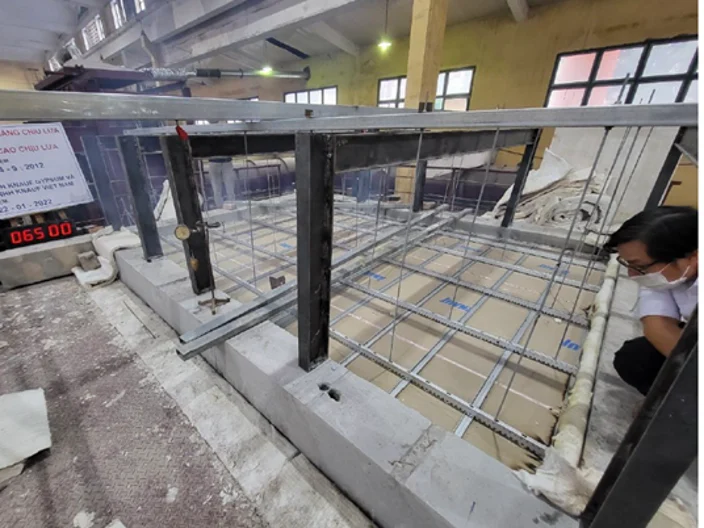
Knauf Fire-Rated Gypsum Ceilings: Superior Peace of Mind
With the perfect combination of the Ultra metal frame system and FireShield fire-resistant gypsum board, Knauf delivers an optimal fire-rated ceiling solution, protecting your building from fire hazards. Knauf gypsum board has been certified as a non-combustible material according to QCVN 06:2022/BXD, ensuring safety and minimizing fire damage.
To ensure maximum safety for your building, Knauf's fire-rated ceiling systems have undergone rigorous testing under simulated real-fire conditions. These tests have demonstrated the ceiling system's effective fire resistance, with fire ratings ranging from 60 to 120 minutes, helping to prevent the spread of fire and smoke. This provides critical time for safe evacuation and minimizes property damage. These test results are clear proof of the quality and reliability of Knauf's fire-rated ceiling solution.
A fire-rated ceiling system is a complex technical solution that requires in-depth understanding of materials, structure, and installation procedures. Recognizing this, Knauf is always ready to support you with professional technical consultation and support services. Knauf's team of experts will provide the most optimal solutions, ensuring your fire-rated ceiling system is installed accurately, effectively, and in compliance with all safety standards.
For a free consultation and the best material estimate, please leave your information via the form below.
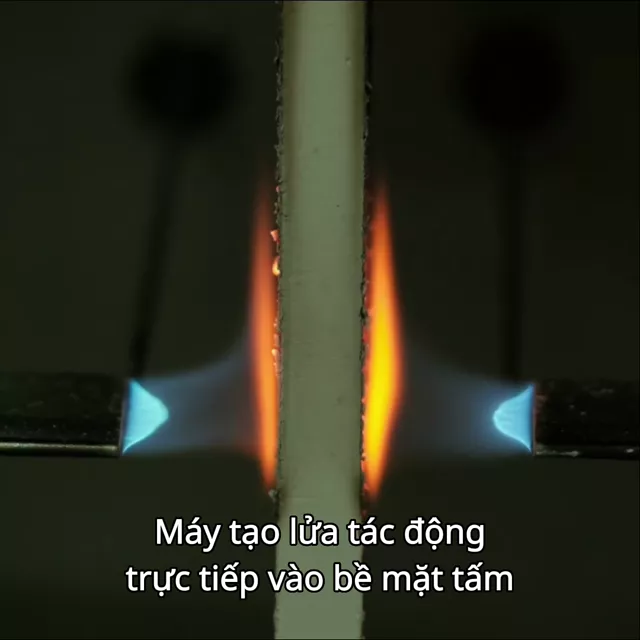
Testing the Fire Resistance of A Knauf FireShield Gypsum Board
Related Documents


Technical Drawing for Fire-Rated Ceiling Meeting the EI Standard


To unlock an extensive library of building material solutions and receive exclusive technical drawings that will help you optimize every space in your project, please leave your information below.
- Our Entities
- Knauf Gypsum
- Connect with Knauf
- Contact Us
- Blog
- Global Career
- Newsroom