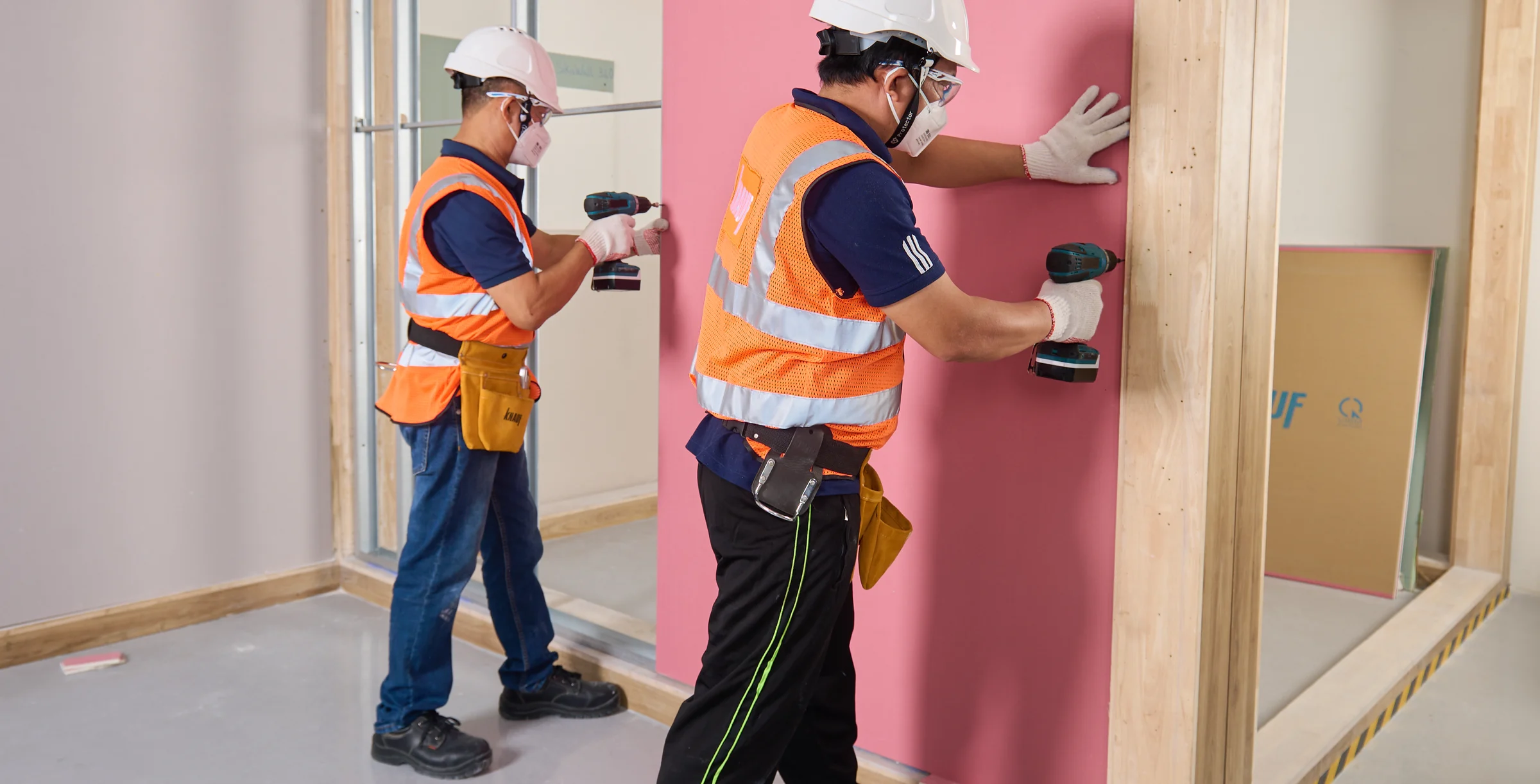
What Are Gypsum Partition Walls?
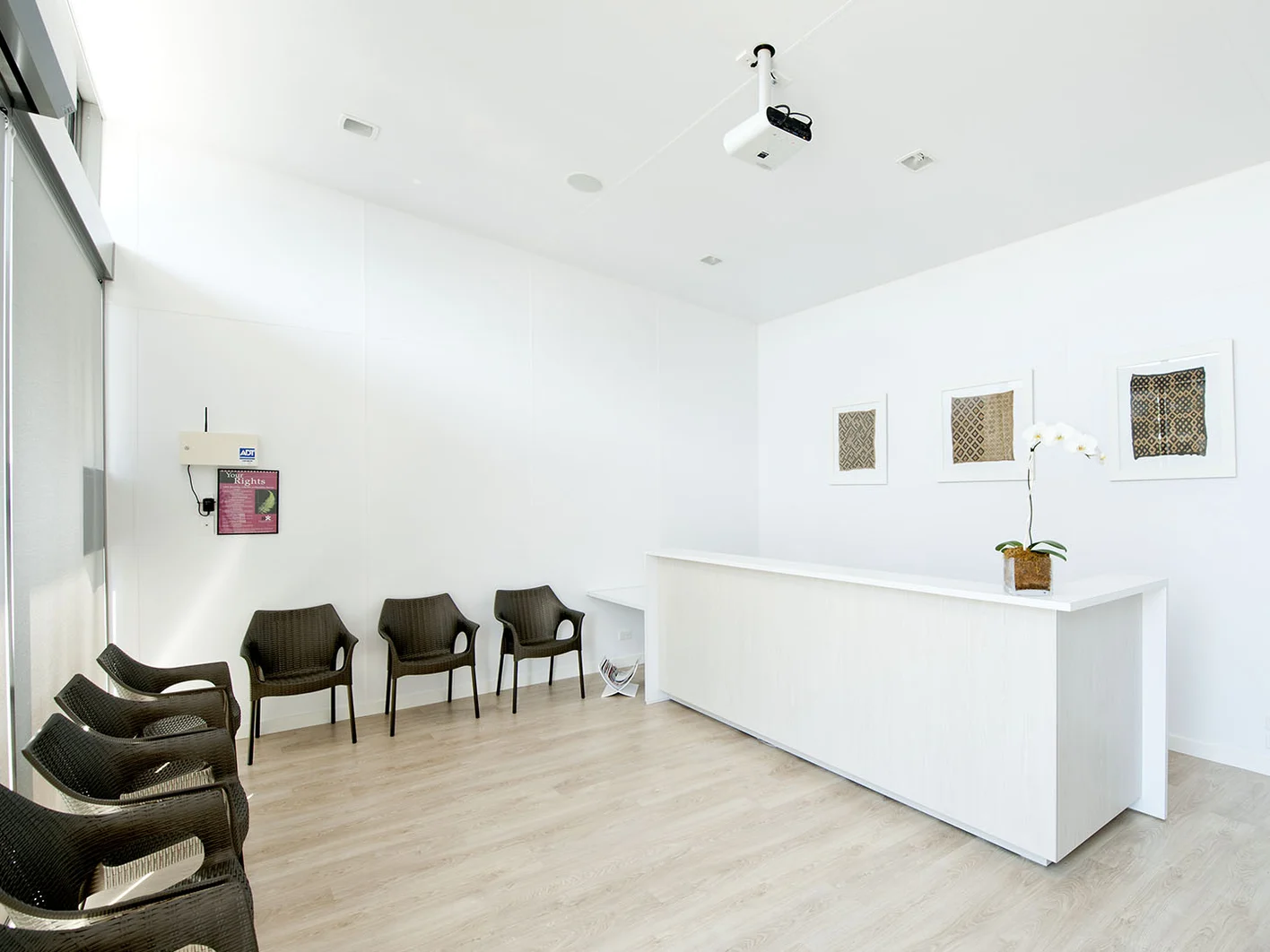
View some examples of our High-Performance Gypsum Partitions
2. Outstanding Advantages of Gypsum Partition Walls
Gypsum partition walls are lightweight, flexible, easy to install, and boast integrated functionalities, making them a preferred solution in modern construction, favored by contractors, investors, and architects alike.
- Lightweight, Reducing Building Load
- The average weight of a gypsum partition wall is about 18-25 kg/m², which is 8-10 times lighter than a brick wall (approximately 170-180 kg/m²). Using gypsum partitions helps reduce the load on the foundation structure, thereby cutting construction costs, shortening project timelines, and allowing architects greater flexibility in building design.
- Effective in Earthquake Response
- With their flexible and lightweight structural properties, gypsum wall systems can effectively absorb and dissipate vibrational forces during an earthquake. In seismic events, gypsum partitions not only help reduce the risk of collapse but also limit the risk of casualties compared to traditional materials like brick walls, especially in earthquake-prone areas.
- Good Load-Bearing Capacity for Heavy Objects
- Despite their light weight, gypsum partition walls can still reliably support items like paintings, wall lamps, bookshelves, and even televisions. This is achieved by reinforcing the metal frame with horizontal bracing or supplementary framing. When using the correct types of screws and specialized hooks, users can be completely confident in their durability and safety.
- Fast, Clean, and Environmentally Friendly Installation
- The installation of gypsum partition walls doesn't require mixing mortar or cement, thus minimizing construction waste and keeping the work area clean. Installers can complete the wall system in just a few hours to a few days, depending on the area, offering outstanding efficiency for contractors and investors who need to accelerate project timelines.
- Flexible in Design and Space Layout
- Gypsum partition walls can be easily disassembled or relocated without affecting the overall building structure. This advantage is particularly useful in office spaces and showrooms that need design rearrangements, or in homes requiring renovation in stages.
- Excellent Sound Insulation, Thermal Insulation, and Fire Resistance
- When combined with fiberglass wool or other acoustic materials, gypsum wall systems can achieve sound insulation standards of up to 50dB. Simultaneously, gypsum material has heat transfer limiting properties, which helps keep spaces cool and contributes to energy savings.
- When fire-resistant gypsum board is used with a standard framing system, gypsum partition walls can effectively prevent fire spread for up to 150 minutes. Furthermore, gypsum wall systems, when exposed to flames, do not produce harmful toxic smoke, ensuring life and property safety in emergency situations.
- High Aesthetic Appeal, Easy to Decorate
- With their flat surfaces that are easy to paint or wallpaper, gypsum partition walls offer high aesthetic value, enabling homeowners and architects to create personalized, modern living spaces that seamlessly integrate with the overall interior. Notably, gypsum boards can also be flexibly curved or stepped, creating ideal conditions for incorporating concealed electrical systems, leading to impressive and sophisticated interior designs.
- Easy to Repair and Replace as Needed
- Gypsum partition walls allow for easy disassembly, repair, or partial replacement without affecting the overall structure. This means homeowners can quickly fix issues or change space layouts as needed, saving time and construction costs compared to traditional materials like brick walls.
Despite their many outstanding advantages, to maximize the aesthetic and technical effectiveness of the wall system, users should select specialized gypsum board types appropriate for their purpose, such as fire-resistant, moisture-resistant, or acoustic panels. Using the right product for the right need will ensure the long-term durability, safety, and efficiency of the project.
3. Common Types of Gypsum Partition Walls
From a structural perspective, gypsum partition walls are categorized into two main types:
- Single-Sided Gypsum Partition Walls: This type is installed flush against an existing wall or structural frame, with only one layer of gypsum board on the exterior. It's typically used for covering or decorative purposes.
- Double-Sided Gypsum Partition Walls: These are constructed by assembling two layers of gypsum board on either side of the metal frame, forming a complete partition wall. They offer better sound insulation, thermal insulation, and load-bearing capacity, and are commonly used as room dividers.
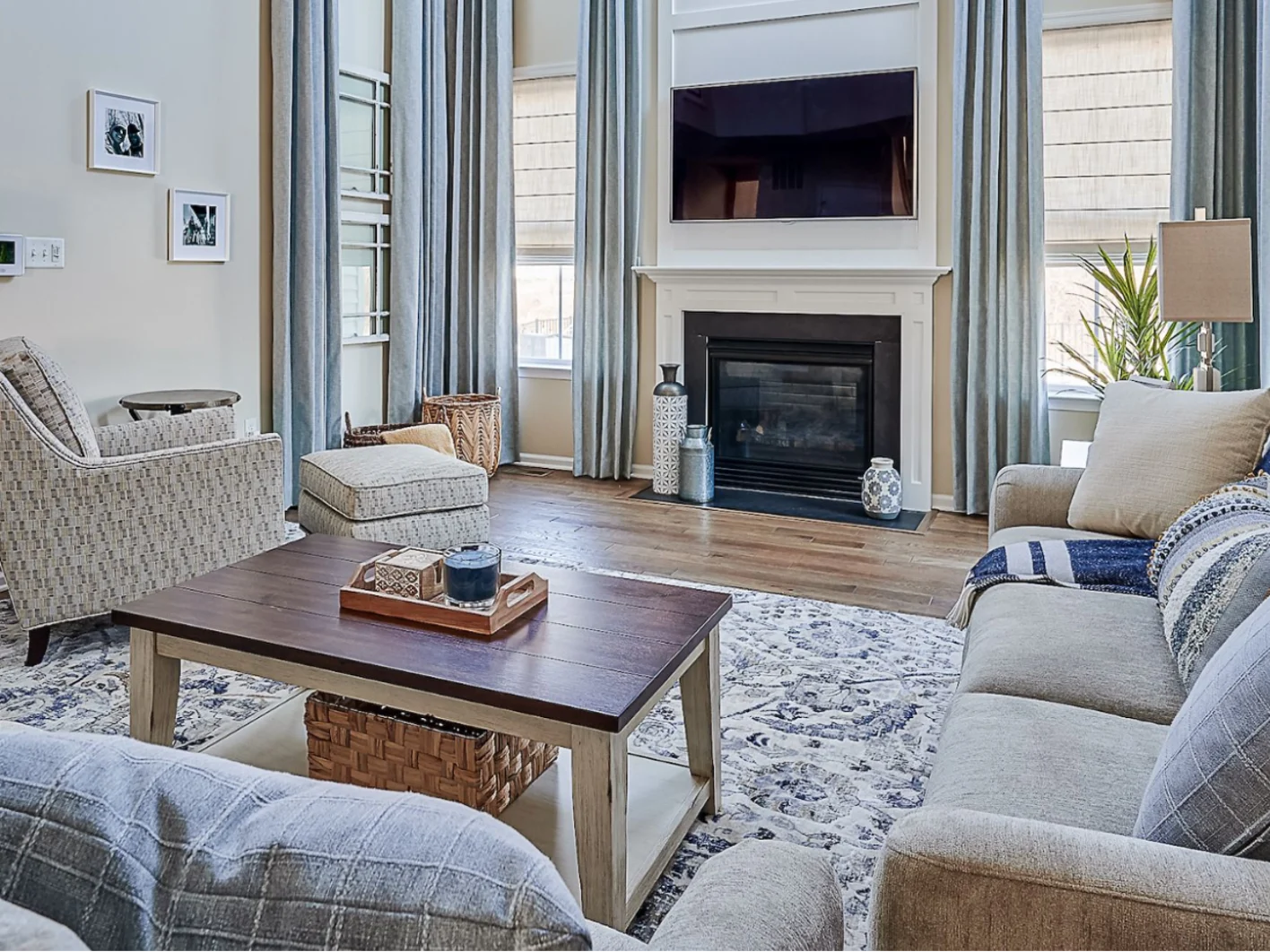
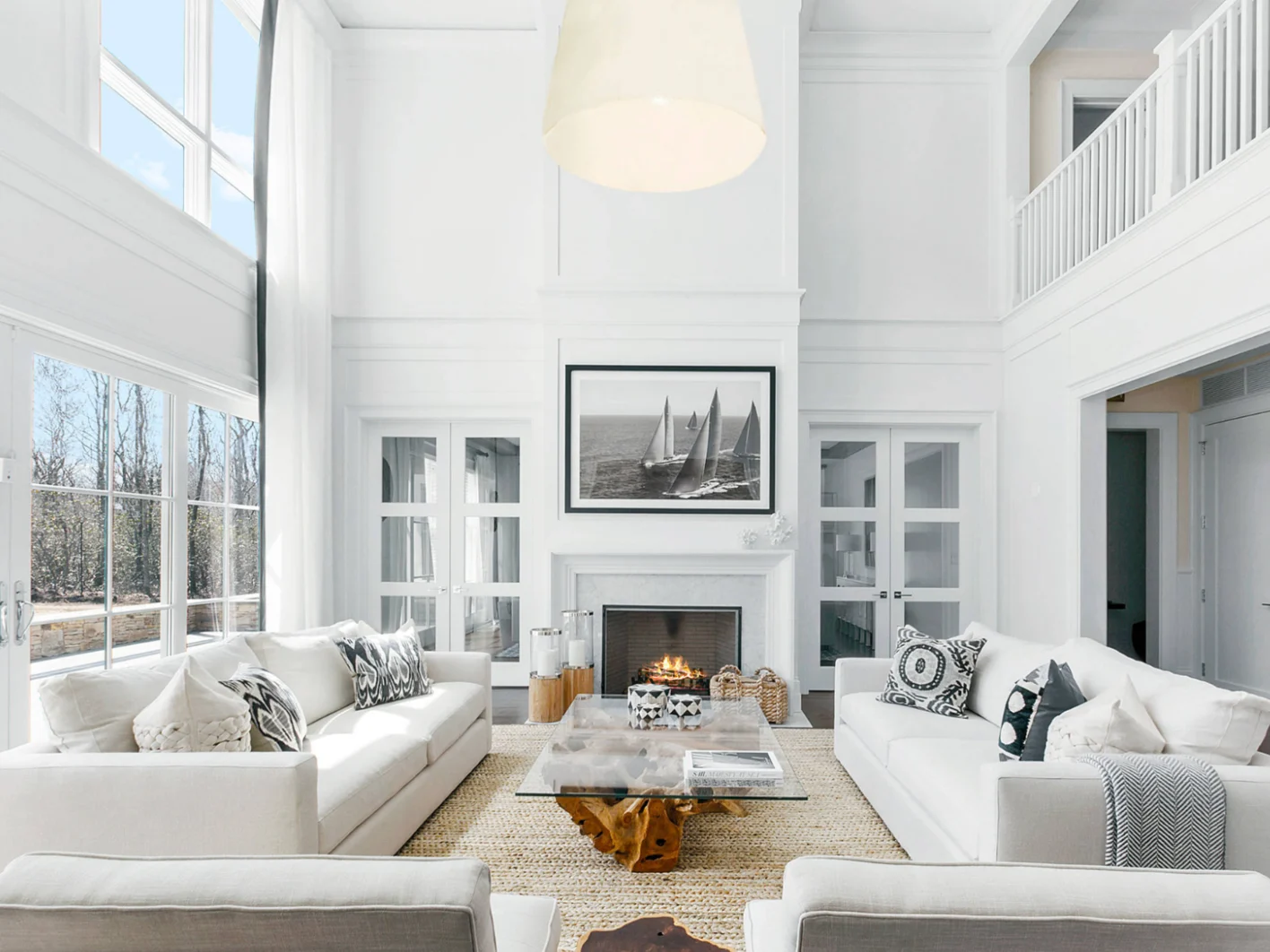
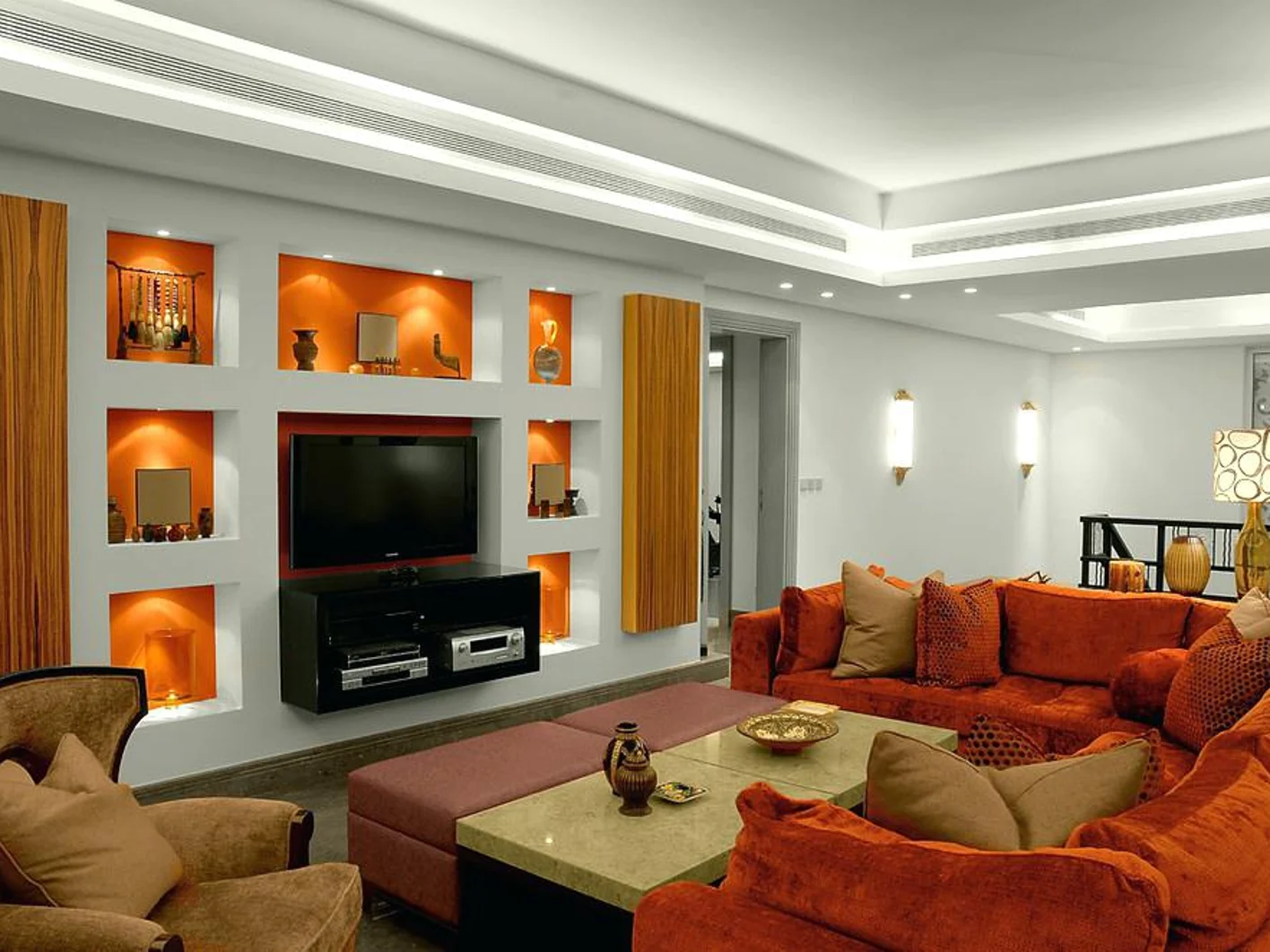
4. Gypsum Partition Walls for Living Rooms
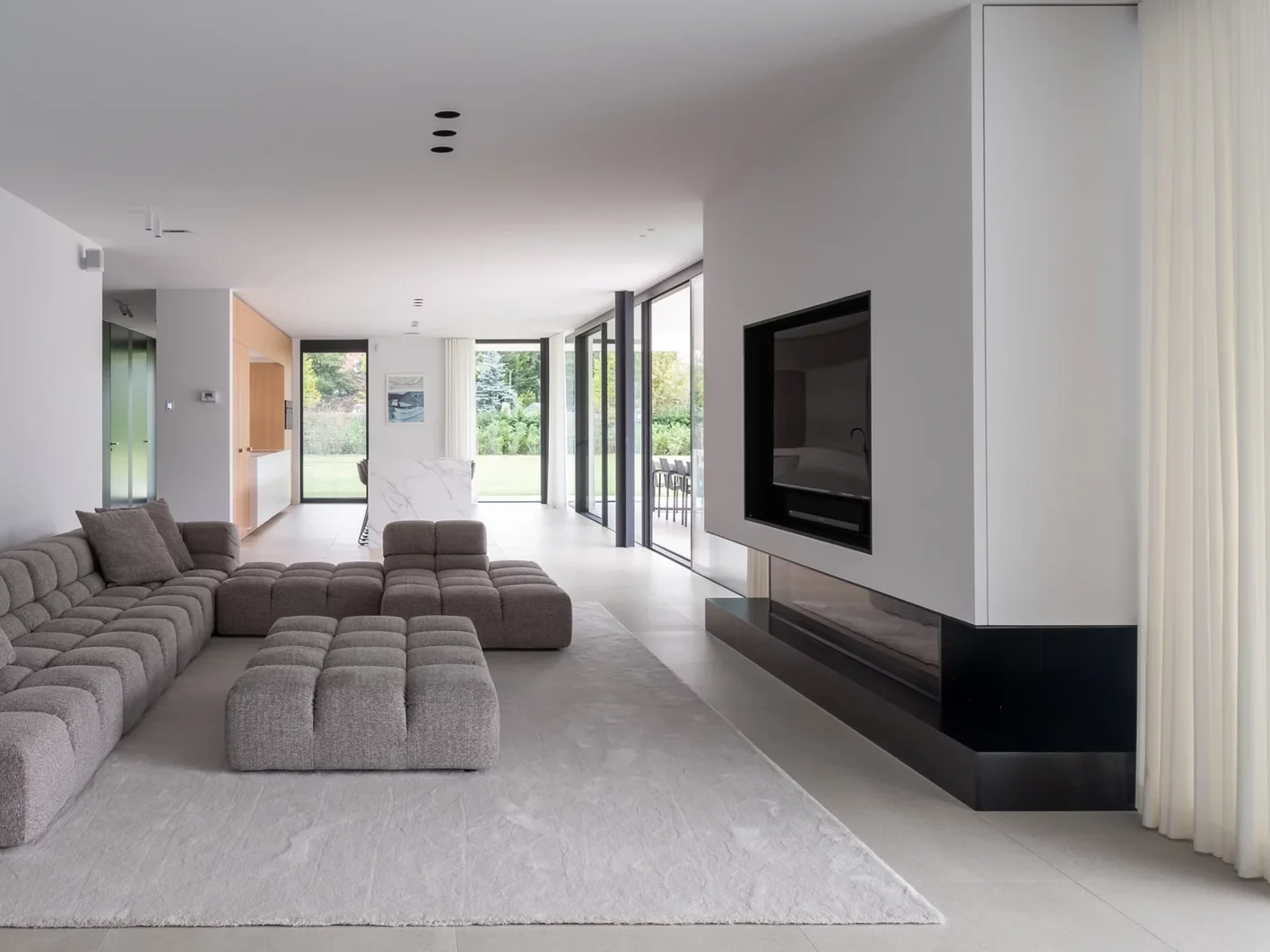
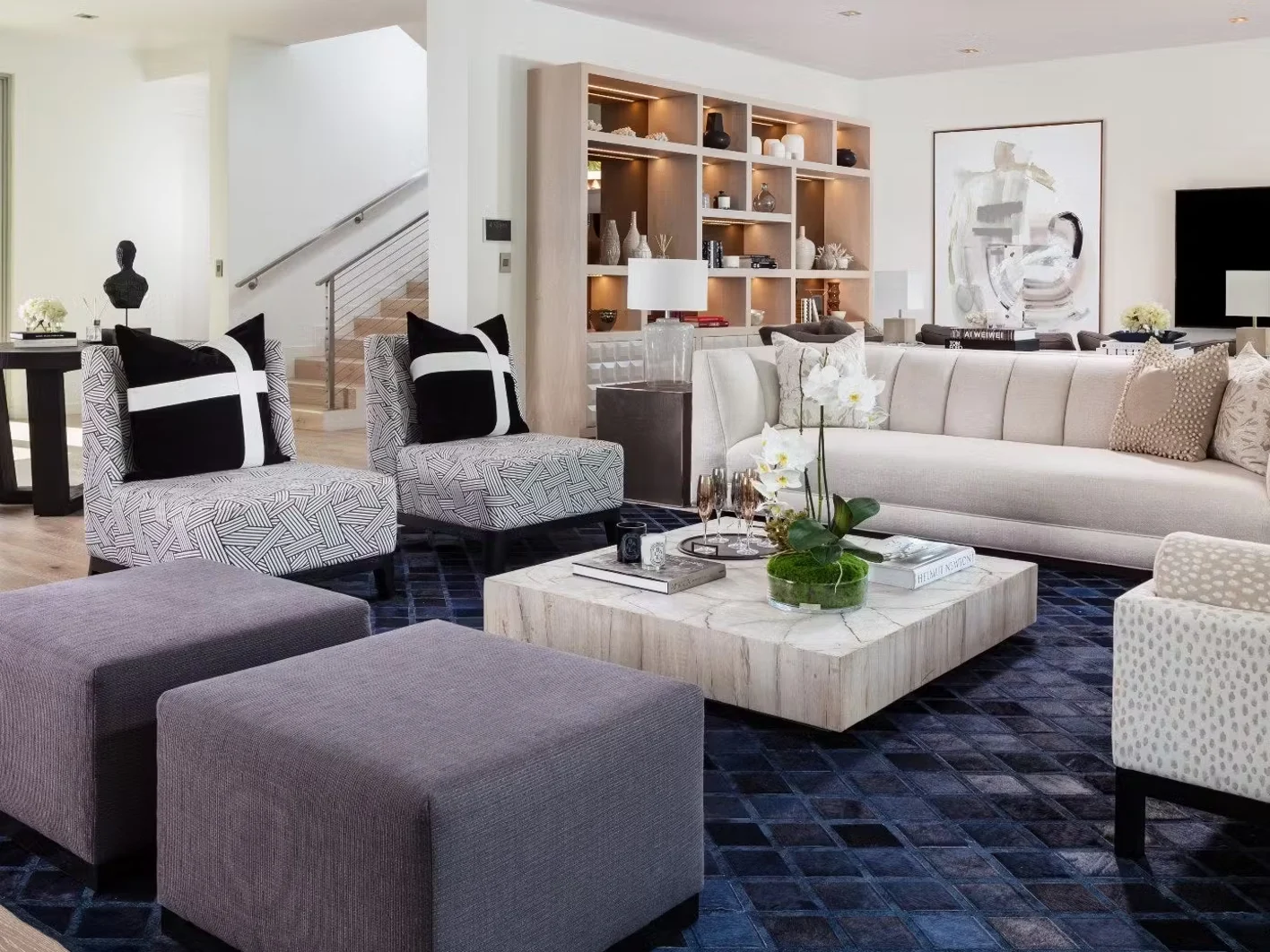
Gypsum boards used as living room partitions are an ideal solution for creating a luxurious, modern, and tidy space. With their flexible design, smooth surface, and ease of finishing, gypsum walls allow homeowners to easily paint, apply wood slats, wallpaper, or create focal points with decorative niches and recessed lighting. Beyond dividing space, these partitions also help conceal architectural flaws and hidden wiring, creating a harmonious layout for the overall interior.
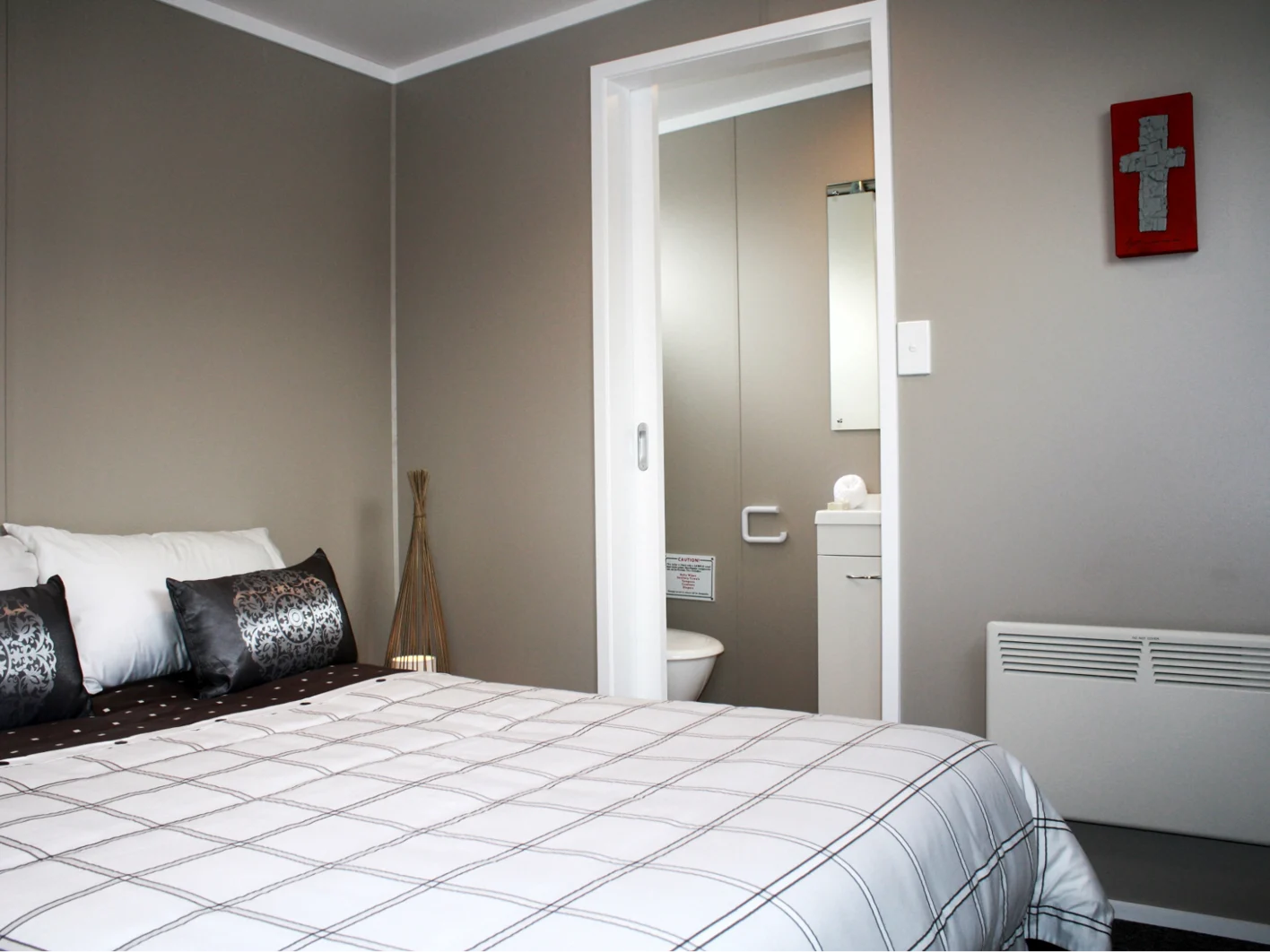
5. Gypsum Partition Walls for Bedrooms
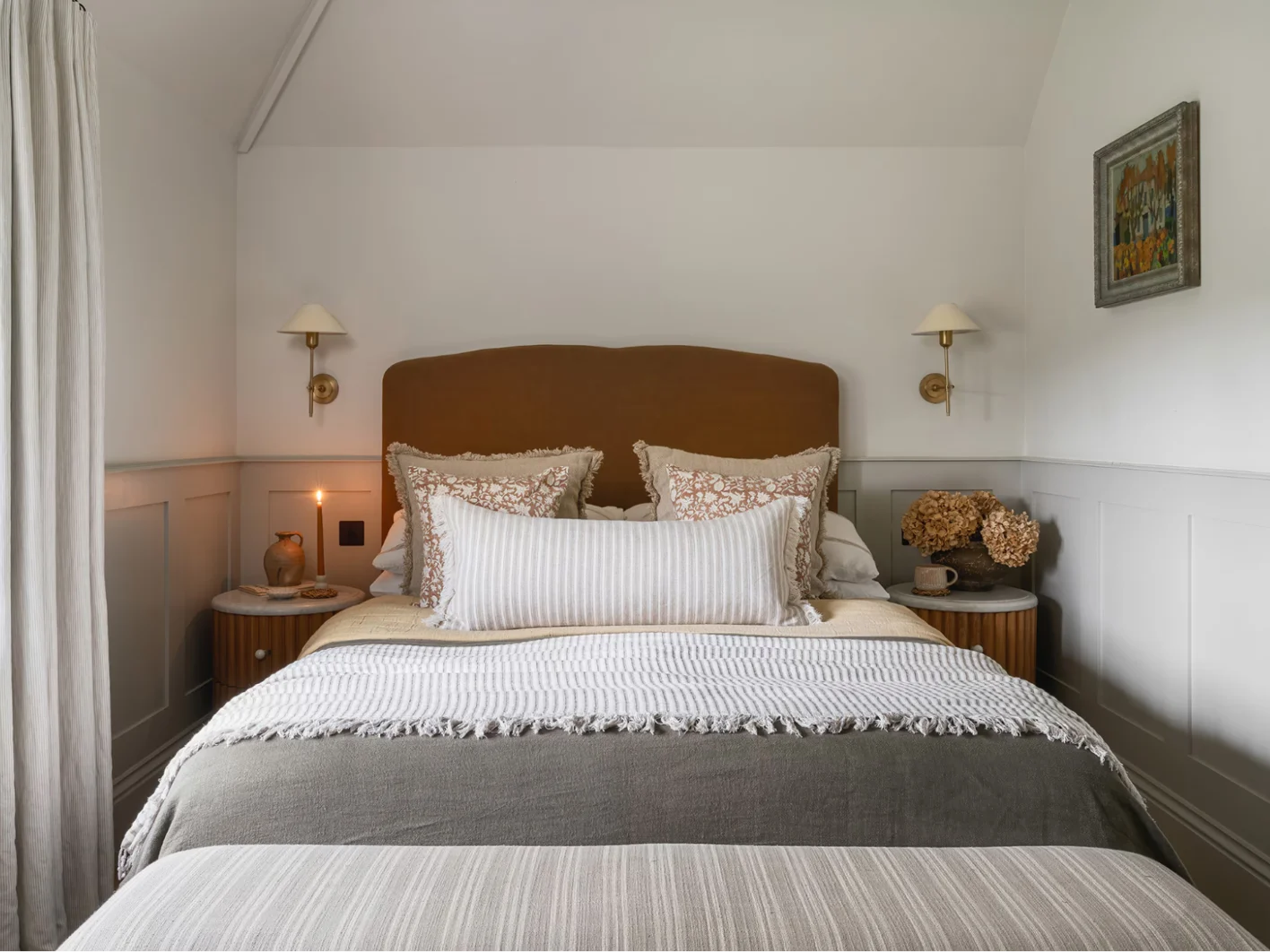
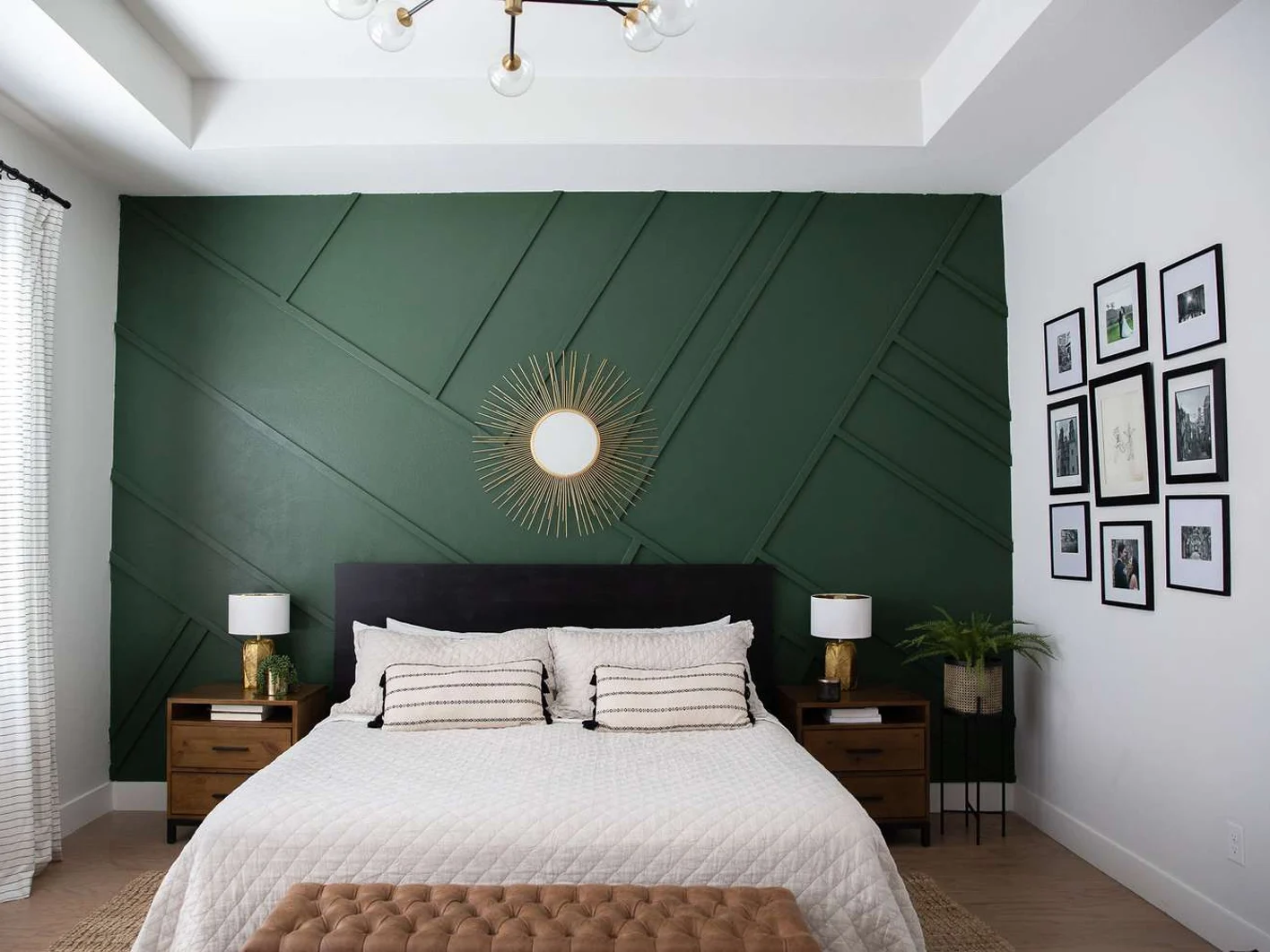
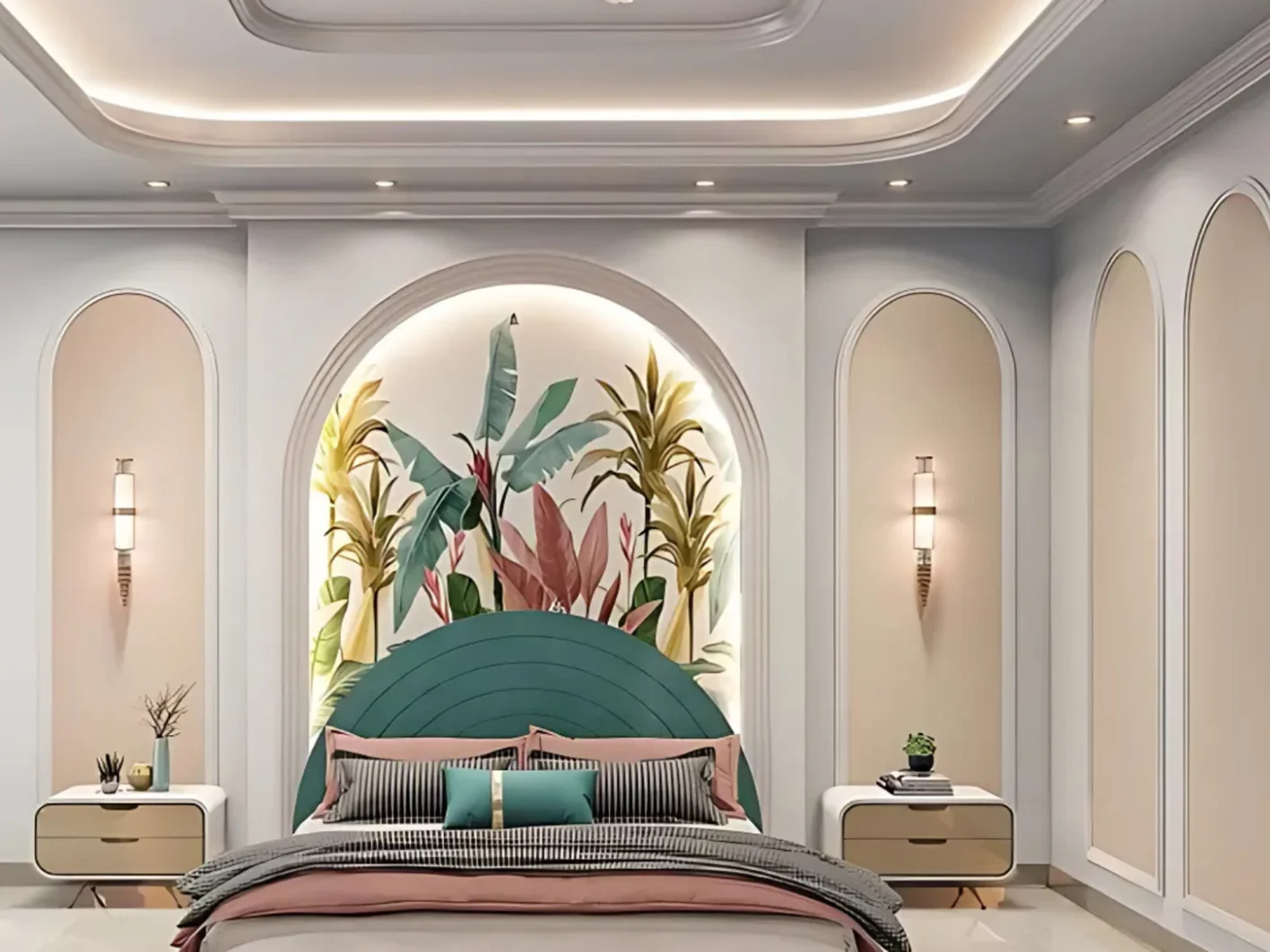
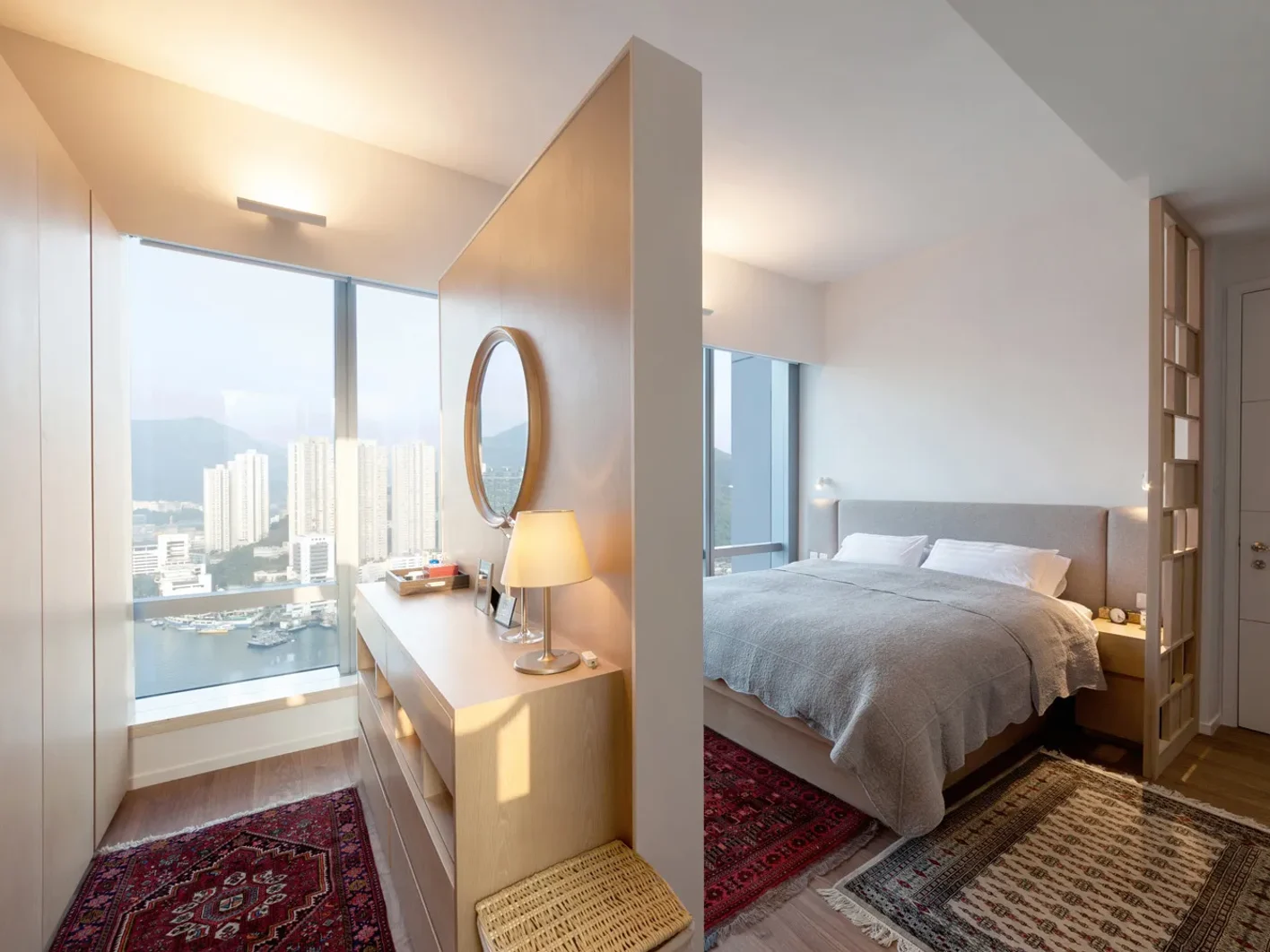
Thanks to their superior sound insulation, especially when combined with acoustic materials like mineral wool or soft rubber, gypsum partition walls help reduce external noise, leading to deeper, higher-quality sleep. Aesthetically, these walls can be designed with soft, sophisticated color tones or artistic accents, helping to express personal style.
6. Gypsum Partition Walls for Offices
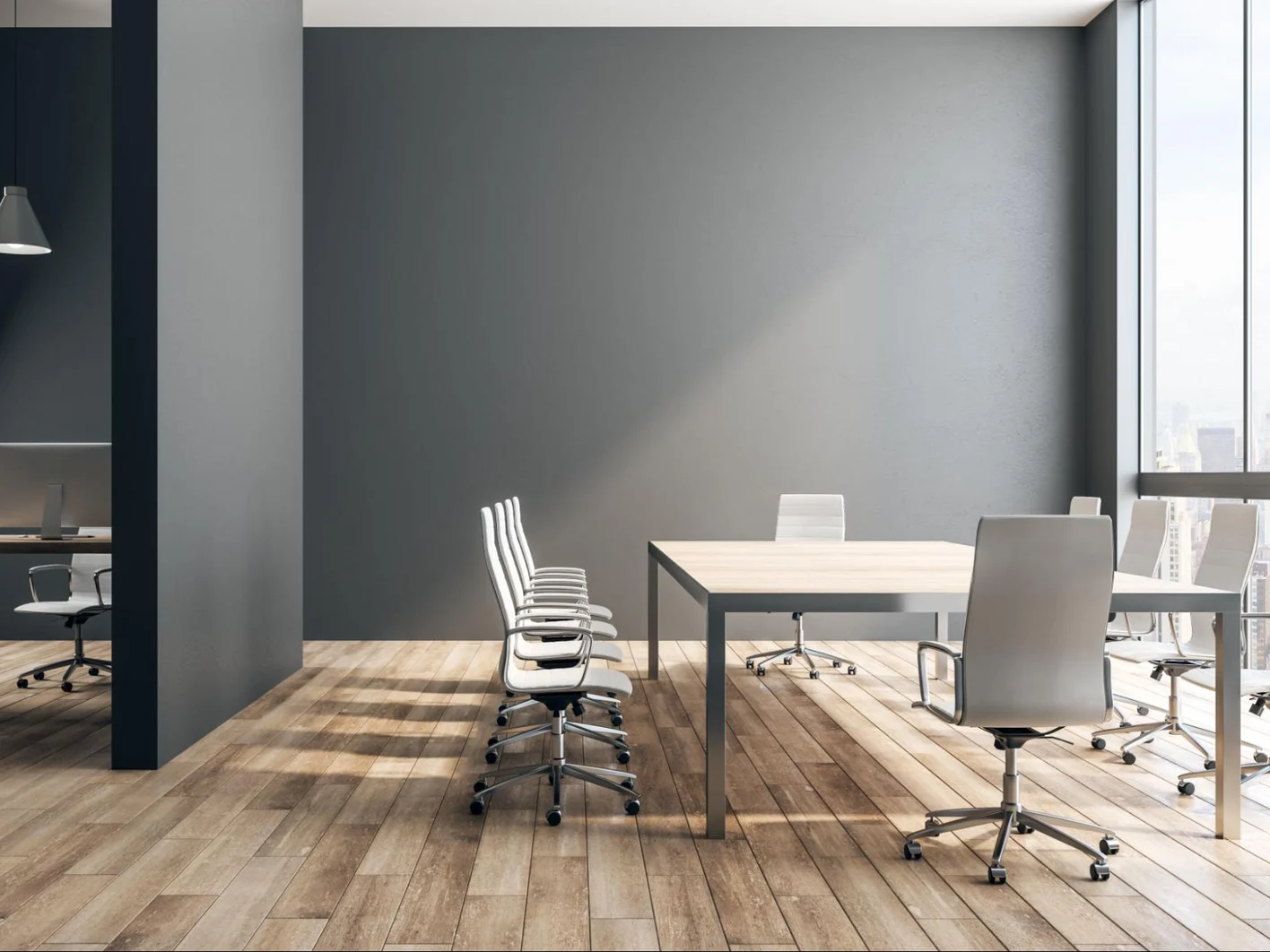
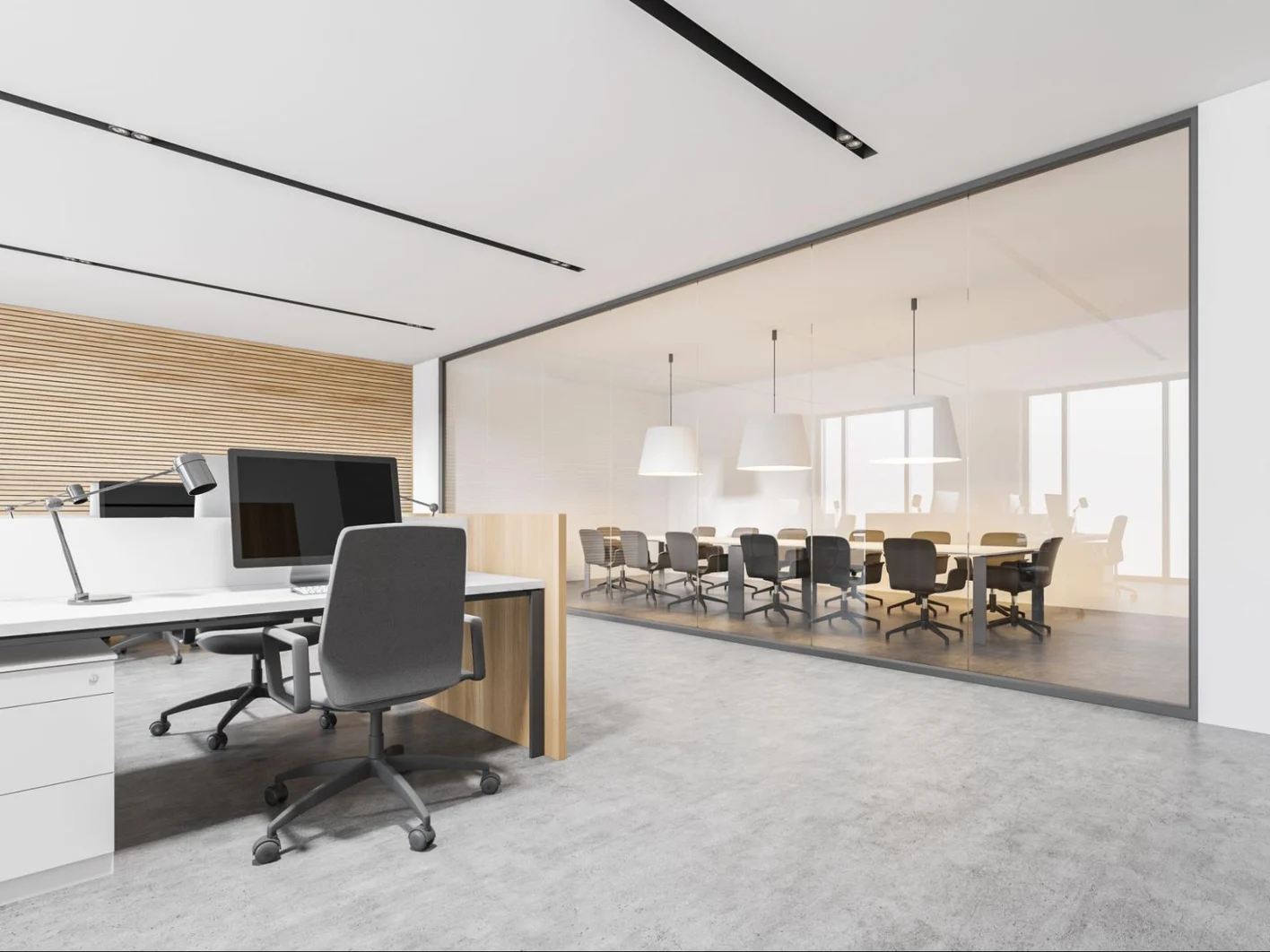
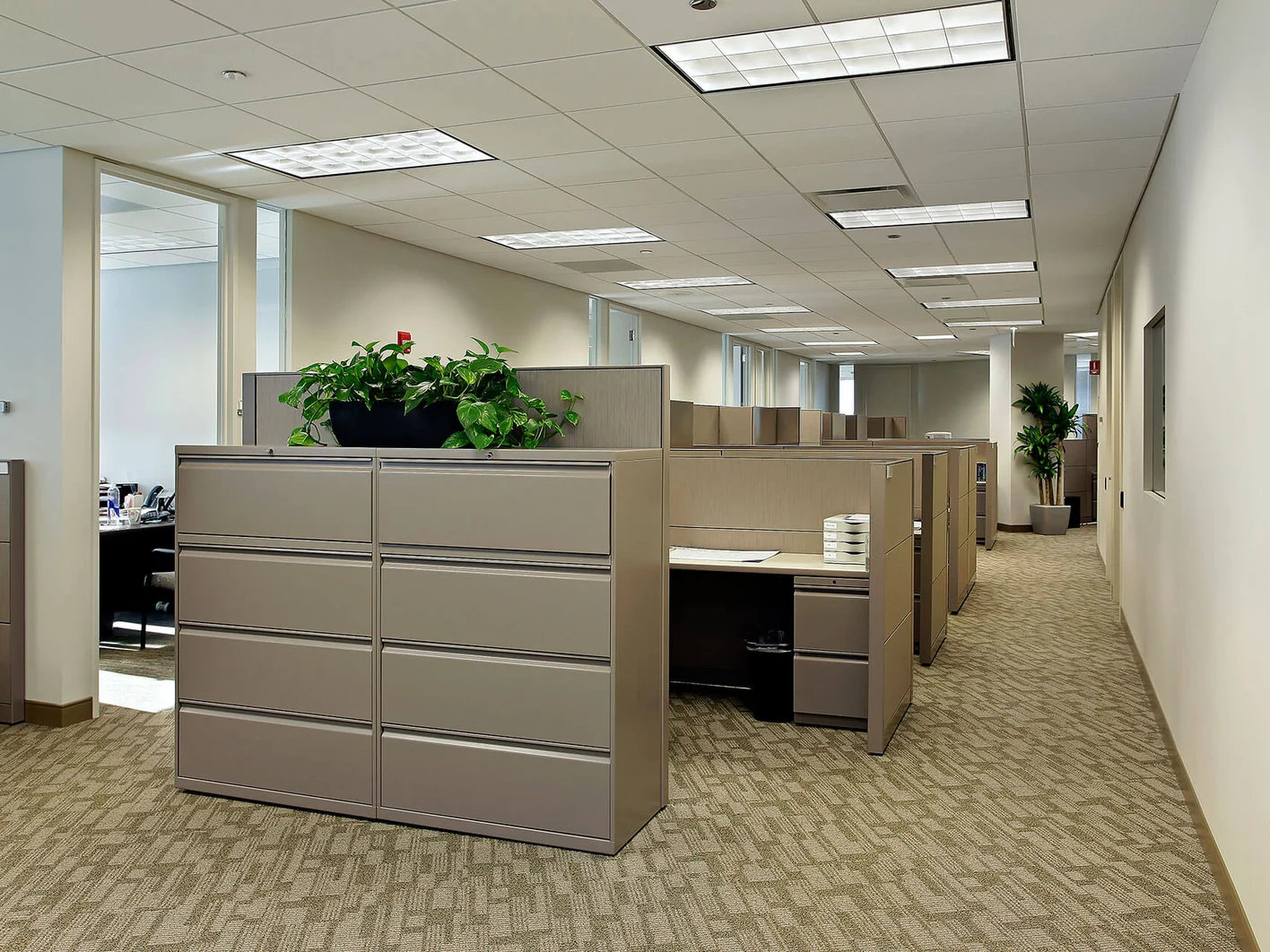
Gypsum partition walls for office spaces help create a professional, bright, and efficient work environment. With their lightweight design, ease of disassembly, and flexible layout, these walls allow for the division of space into separate departments or functional areas while maintaining overall coherence. Additionally, the wall surfaces are easy to customize with logos, signage, or brand colors, enhancing corporate identity and professionalism for businesses.
7. Gypsum Partition Walls for Stores/Showrooms
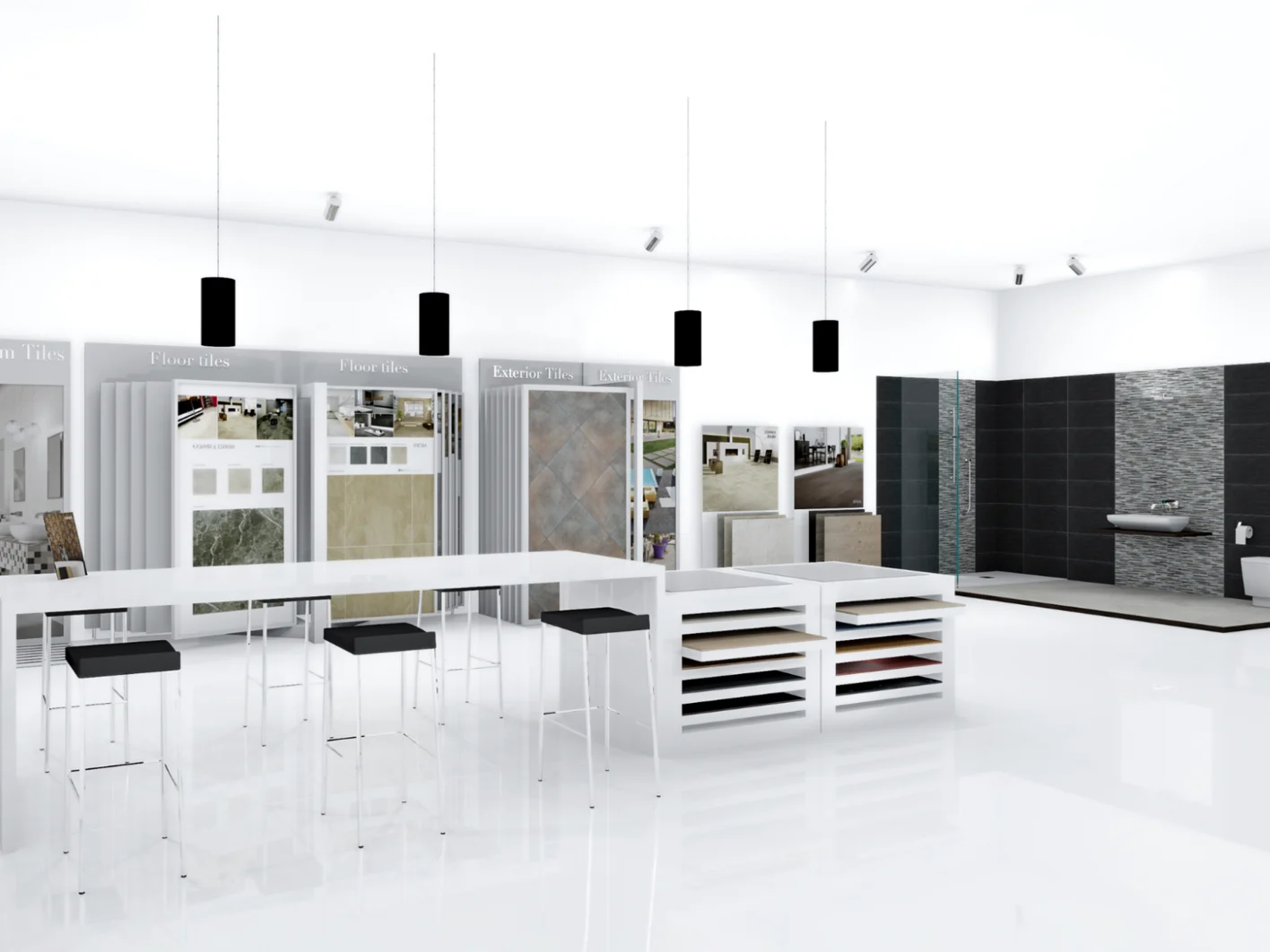
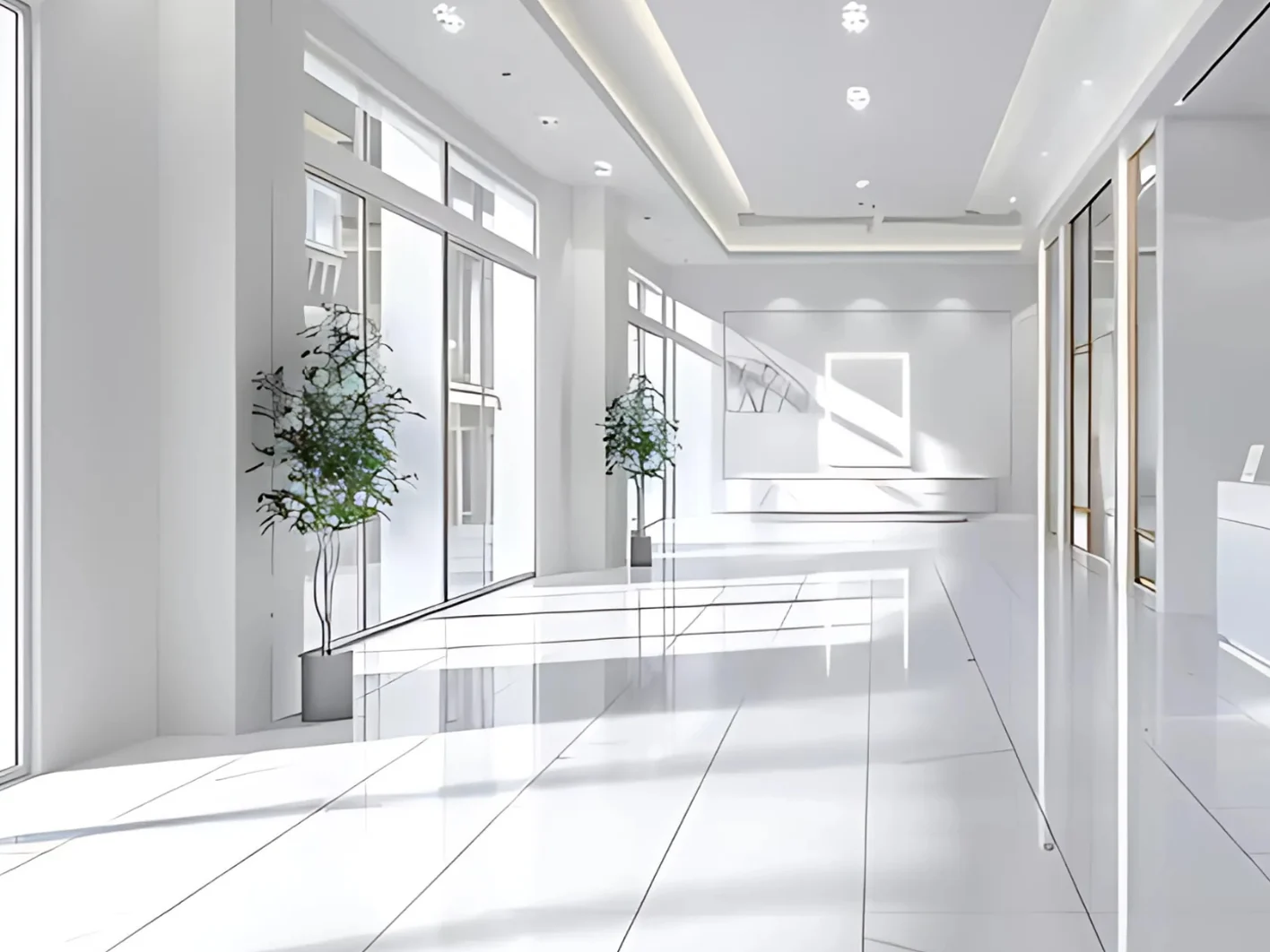
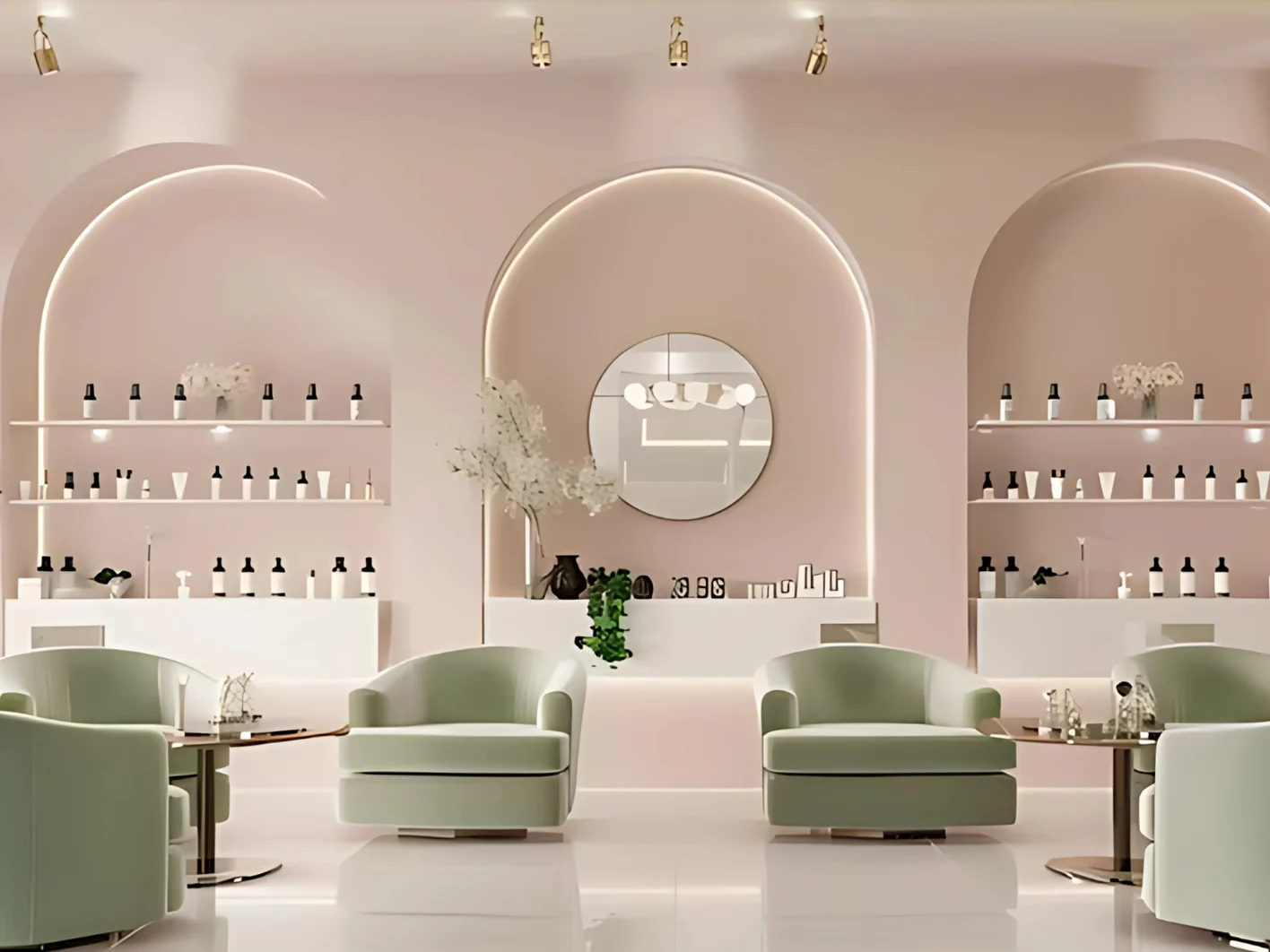
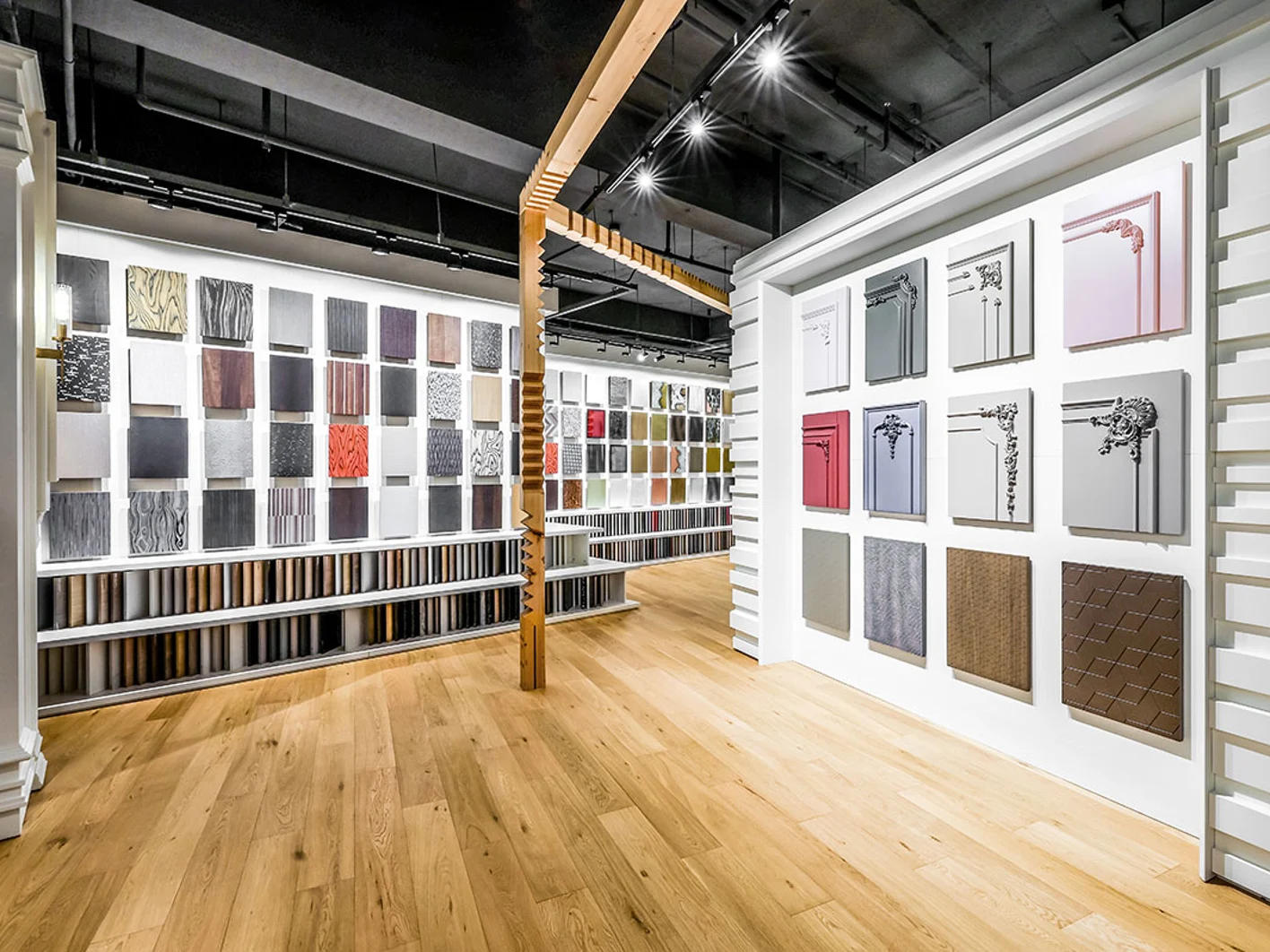
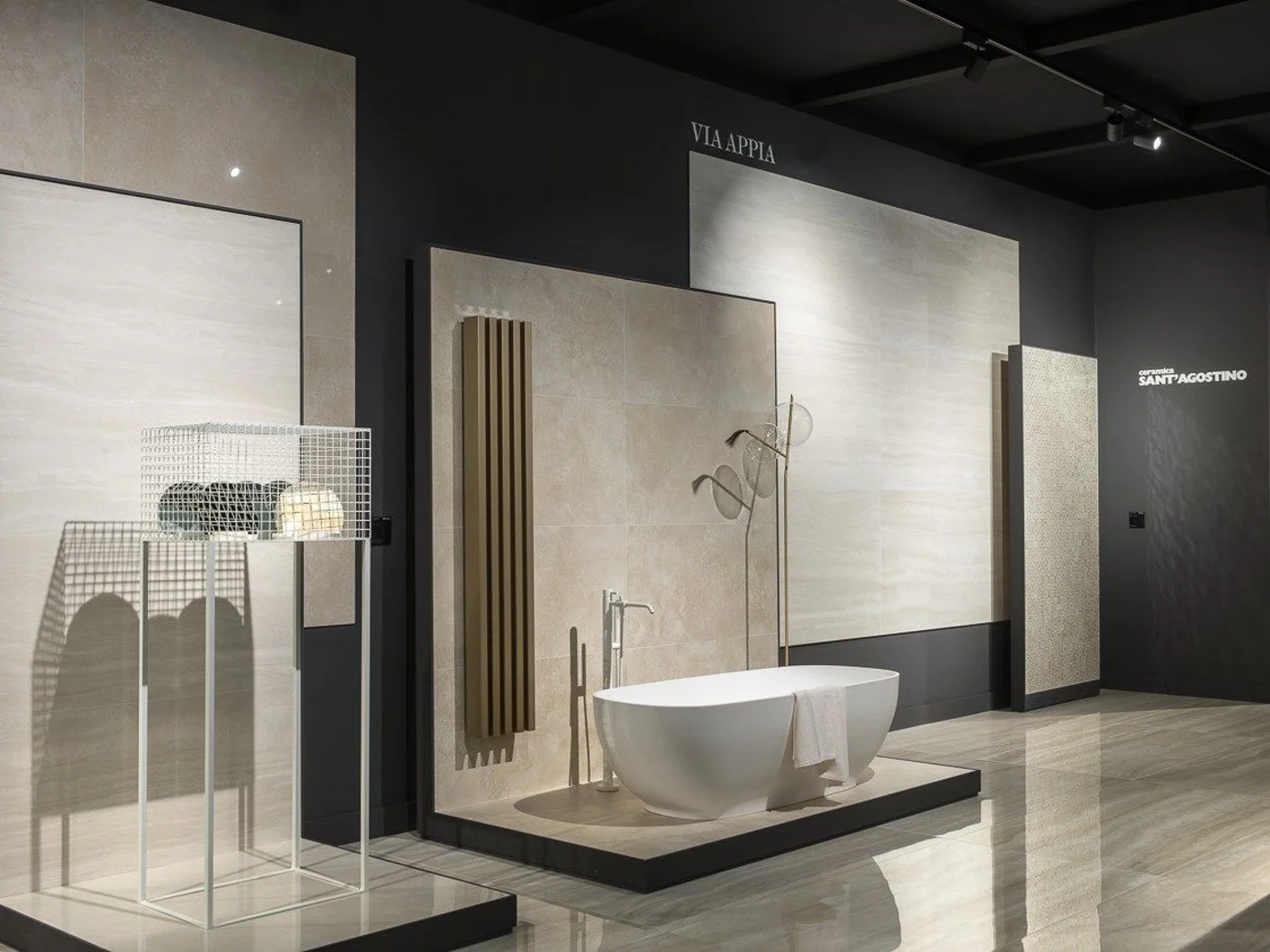
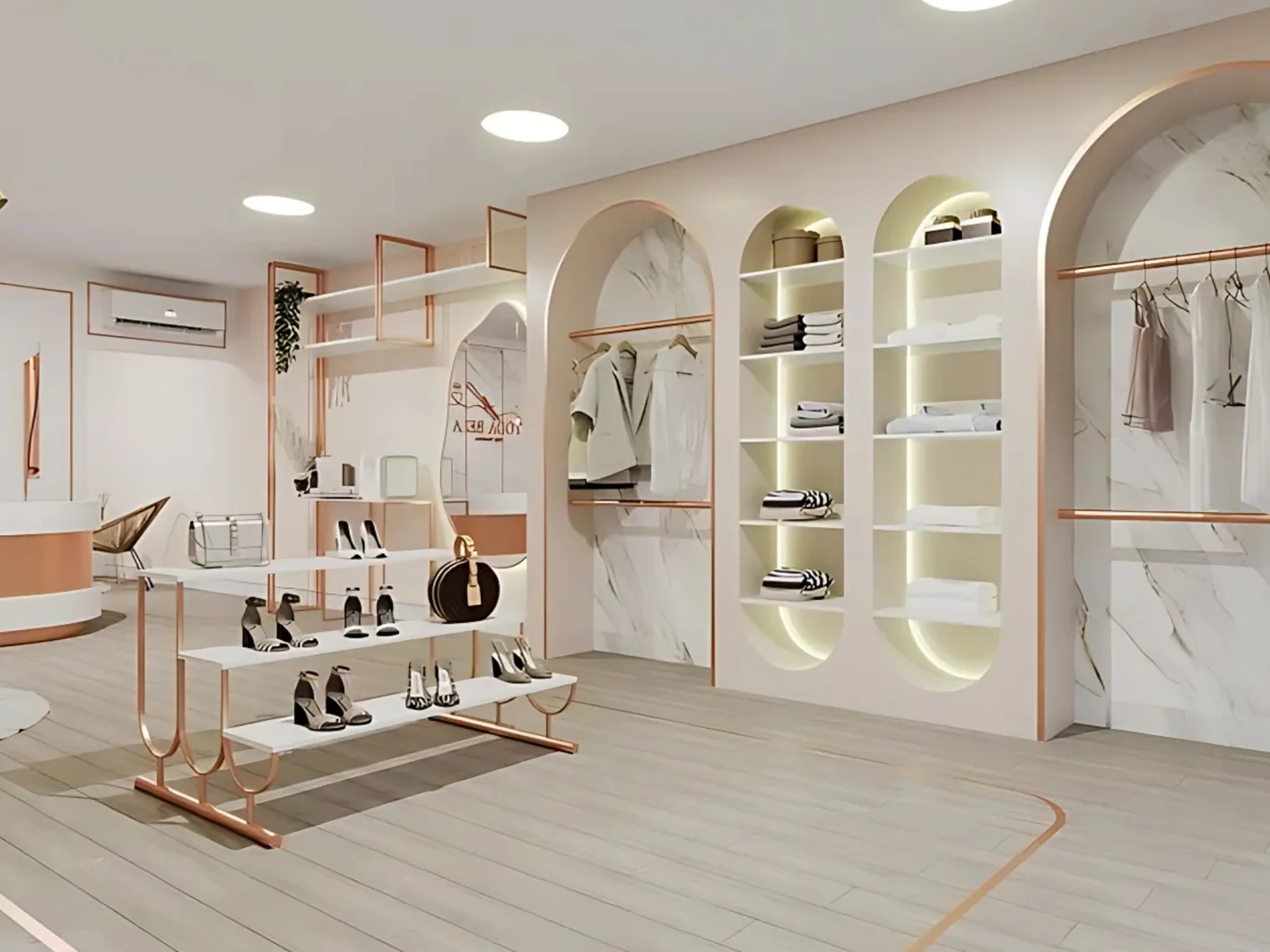
In the interior design of stores and showrooms, gypsum partition walls help create eye-catching, sophisticated display spaces that easily impress customers. The material's lightweight nature, ease of installation, and disassembly also allow store owners to easily change the space layout for different campaigns or new design trends, ensuring continuous updates and creativity in business operations.
8. What is the installation cost for gypsum board partitions?
The cost of installing gypsum board partitions depends on the type of frame and board used. Specifically, the reference prices from Knauf are as follows:
- SupraWall Price: Approximately 65,000 VND - 85,000 VND
- Gypsum Board Prices:
- StandardShield Standard Gypsum Board: 85,000 VND - 110,000 VND/board
- UltraLight Premium Gypsum Board: 115,000 VND - 130,000 VND/board
- MoistShield Moisture-Resistant Gypsum Board: 125,000 VND - 155,000 VND/board
- Ultra MoistShield Premium Moisture-Resistant Gypsum Board: 150,000 VND - 175,000 VND/board
Please note that prices may vary depending on the number of gypsum layers, technical requirements, or specific construction conditions. Contact Knauf immediately to receive a detailed quote and customized consultation for your project.
9. What is the installation process for a drywall partition?
Here are the basic steps for installing a drywall partition:
- Step 1: Measure and mark the location for the partition.
- Step 2: Install the metal frame system according to the technical drawings.
- Step 3: Attach the gypsum boards to the frame (on one or both sides, depending on the partition type).
- Step 4: Treat the joints using specialized jointing tape and compound.
- Step 5: Finish the surface with jointing compound.
10. Frequently Asked Questions About Gypsum Partition Walls
Yes, you should use gypsum partition walls instead of brick walls. Gypsum partition walls are not only significantly lighter, which reduces the load on foundations and shortens construction time, but they also effectively meet requirements for sound insulation, thermal insulation, and aesthetics. For the same functional purpose, such as sound insulation, a gypsum wall provides comparable performance to a brick wall, but with faster installation times and a considerable saving in usable space.
- Our Entities
- Knauf Gypsum
- Connect with Knauf
- Contact Us
- Blog
- Global Career
- Newsroom