Fire-Rated Drywall and Ceiling
Knauf fire-rated systems are meticulously designed to align with performance-based fire engineering principles. The concept of fire compartmentation involves restricting the spread of fire within a building by partitioning areas with fire-resistant walls or ceilings. These partitions also help prevent the spread of smoke, ensuring a safe evacuation during emergencies.
Fire Testing
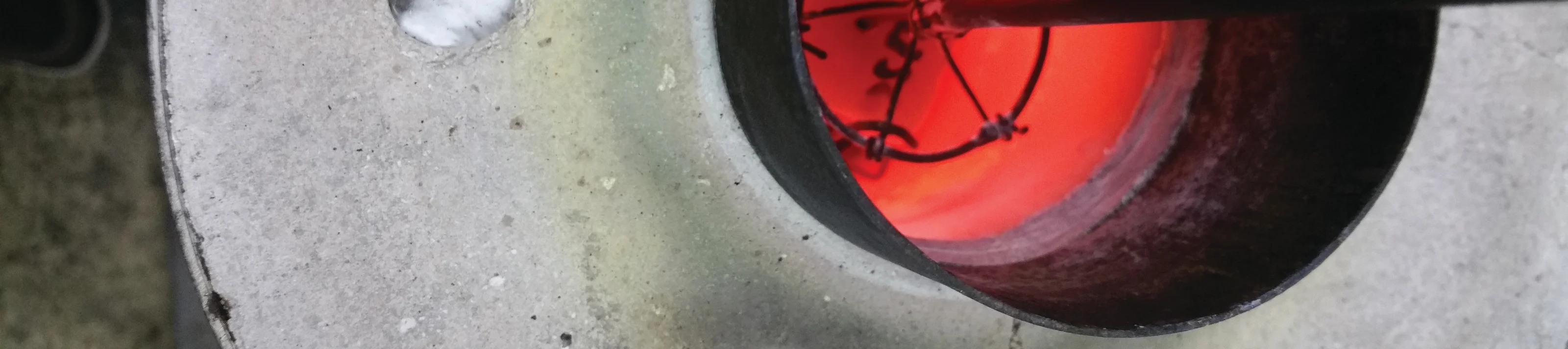
Knauf compounds and plasterboards undergo rigorous testing at 750°C under BS 476 standards. To qualify as non-combustible, no flaming or temperature elevation of the sample must be observed. Building materials must meet various performance levels, with two main requirements under British Standard 476.
Reaction to Fire - This aspect evaluates the contribution of a material to a fire source, assessed according to:
- BS 476 Part 4 (Non-combustibility)
- BS 476 Part 6 (Fire Propagation)
- BS 476 Part 7 (Surface Spread of Fire)
- BS EN 13501 (Fire Classification of Construction Products).
Fire Resistance - Fire resistance regulations focus on how long a construction assembly can prevent fire from spreading between compartments. This is determined according to:
- BS 476 Part 20 (General Principles)
- BS 476 Part 22 (Non-load Bearing Elements)
Tests ensure that materials and components are assembled into a fully effective system.
Fire Resistance Rating
Fire resistance of a complete system is classified based on its performance in full-scale fire tests. Only a complete system, not individual materials, can be evaluated for fire resistance. Therefore, Knauf fire-resistant plasterboards alone cannot provide the required fire resistance.
Fire-Resistance Levels (FRLs) measure system performance within minutes before failure, based on three criteria:
- Structural Adequacy: The ability to maintain load-bearing capacity during a fire.
- Integrity: The ability to prevent the passage of flames and hot gases.
- Insulation: The ability to limit temperature rise on the unexposed side.
- Our Entities
- Knauf Gypsum
- Knauf Insulation
- Resources
- Explore All Products
- Download Center
- Connect with Knauf
- Global Career
- News