
H1 ENERGY EFFICIENCY REQUIREMENTS
The Ministry of Business, Innovation and Employment (MBIE) has updated the Energy Efficiency (H1) requirements for insulating new homes and commercial buildings in the New Zealand Building code. Now all new building projects must adhere to the updated performance criteria for wall, floor, and roof insulation.
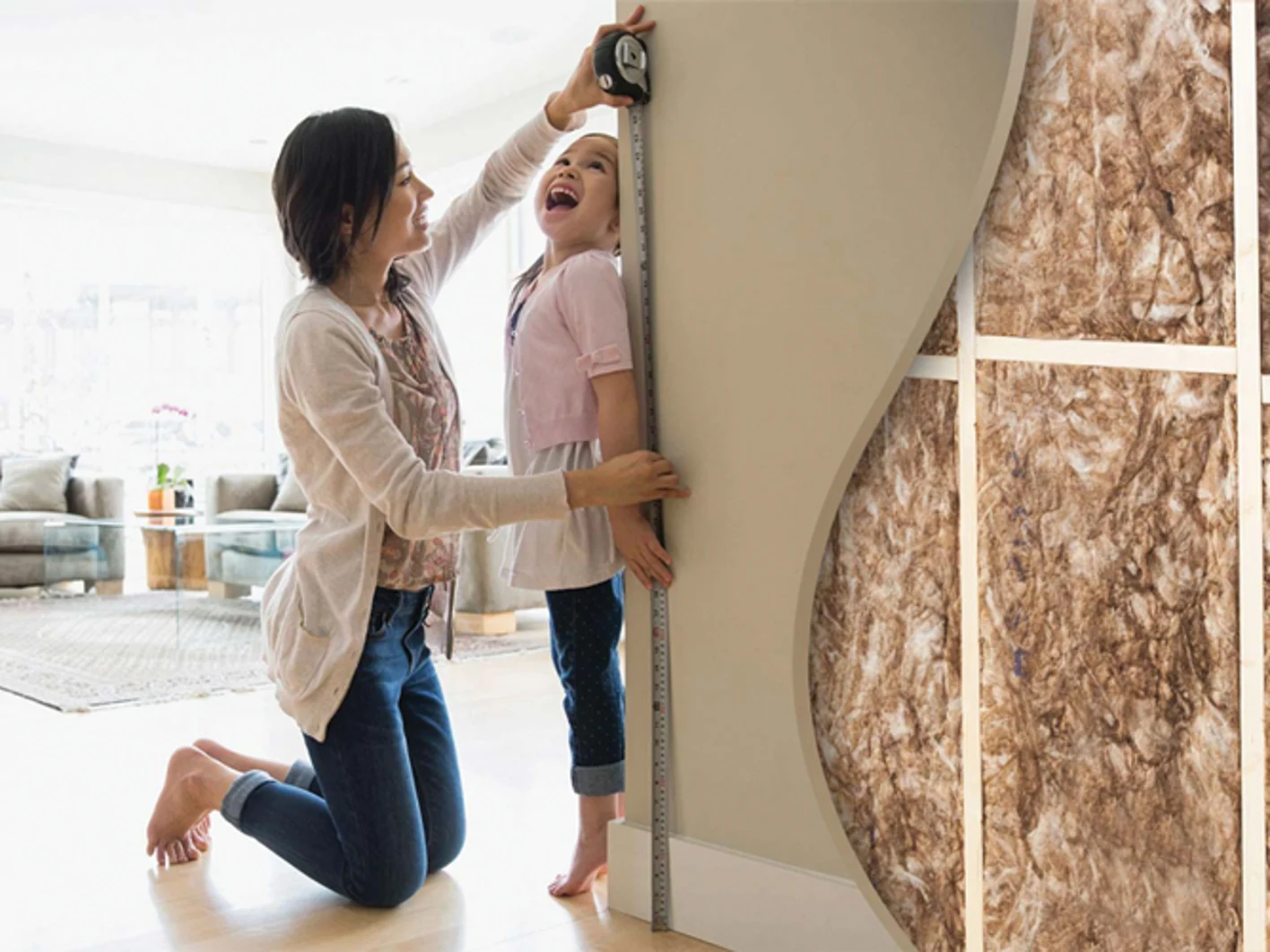
The purpose of the new H1 requirements is to reduce the amount of energy needed to heat new buildings and help make them warmer, drier & healthier, with less impact on the environment. The targeted reduction of energy for residential buildings is approximately 40% and for non-residential buildings the targeted reduction of the energy use is 23%.
REQUIREMENTS ARE TAILORED TO SIX CLIMATE ZONES
MBIE has divided New Zealand into six climate zones, taking into account climate data and territorial authority boundaries.
Residential or Commercial Building Compliance
Previously, both residential and commercial buildings were covered in the same H1 compliance documents. The latest guidance has been divided into two separate pairs of documents.
SELECTING YOUR BEST ROUTE TO COMPLIANCE
Before November 2025, there were three compliance pathways: the Schedule, Calculation, and Modelling methods. All three can continue to be used until November 2026, after which the Schedule Method will be discontinued.
Simplifying H1 Compliance with our H1 Calculator
Now available to calculate using the 5th or 6th edition.
FOUR BENEFITS OF CHOOSING THE CALCULATION METHOD
The Calculation method allows for innovative and practical solutions. Here are just four of the ways you can use that design flexibility to benefit your build and the eventual occupants.


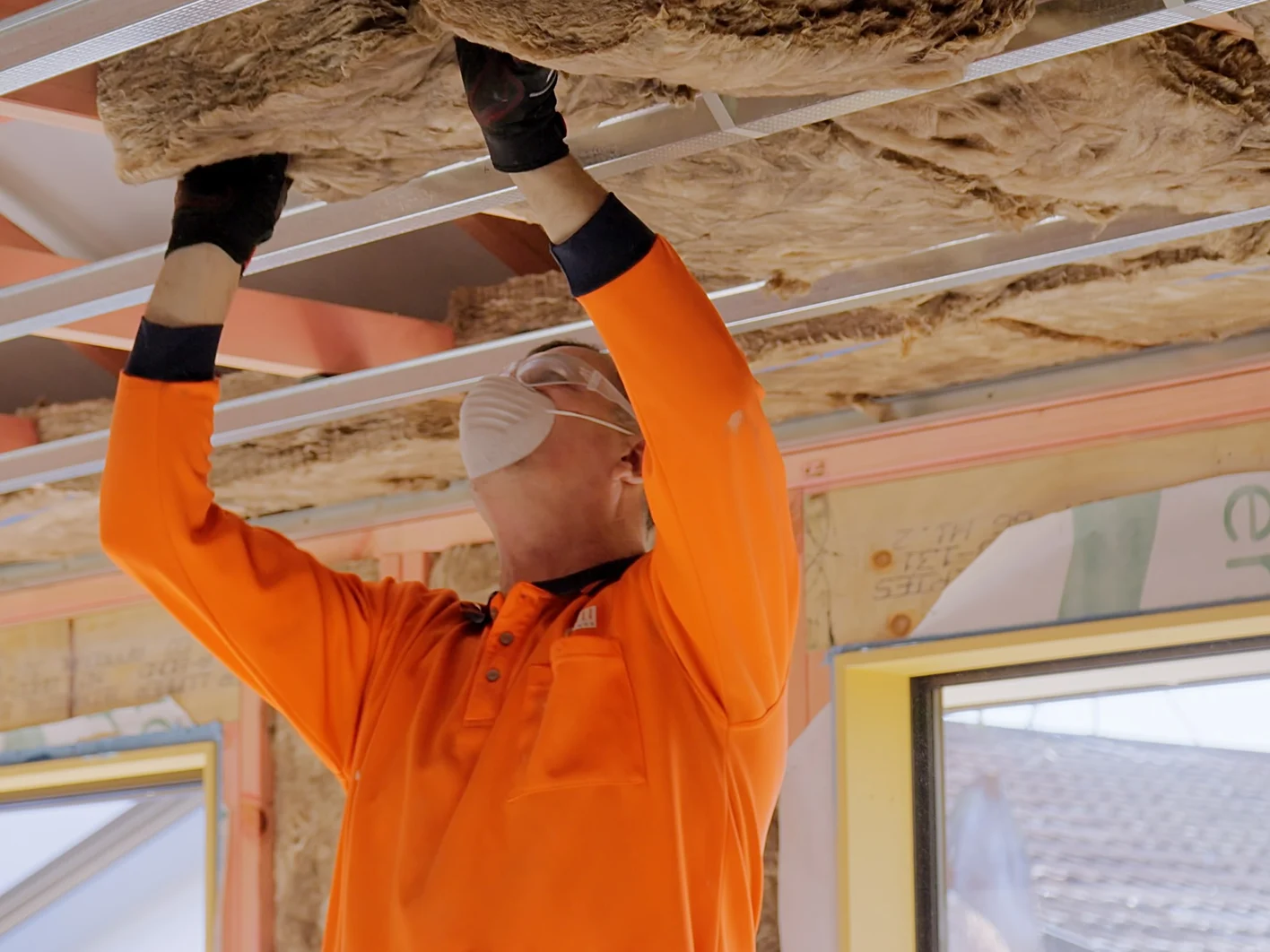
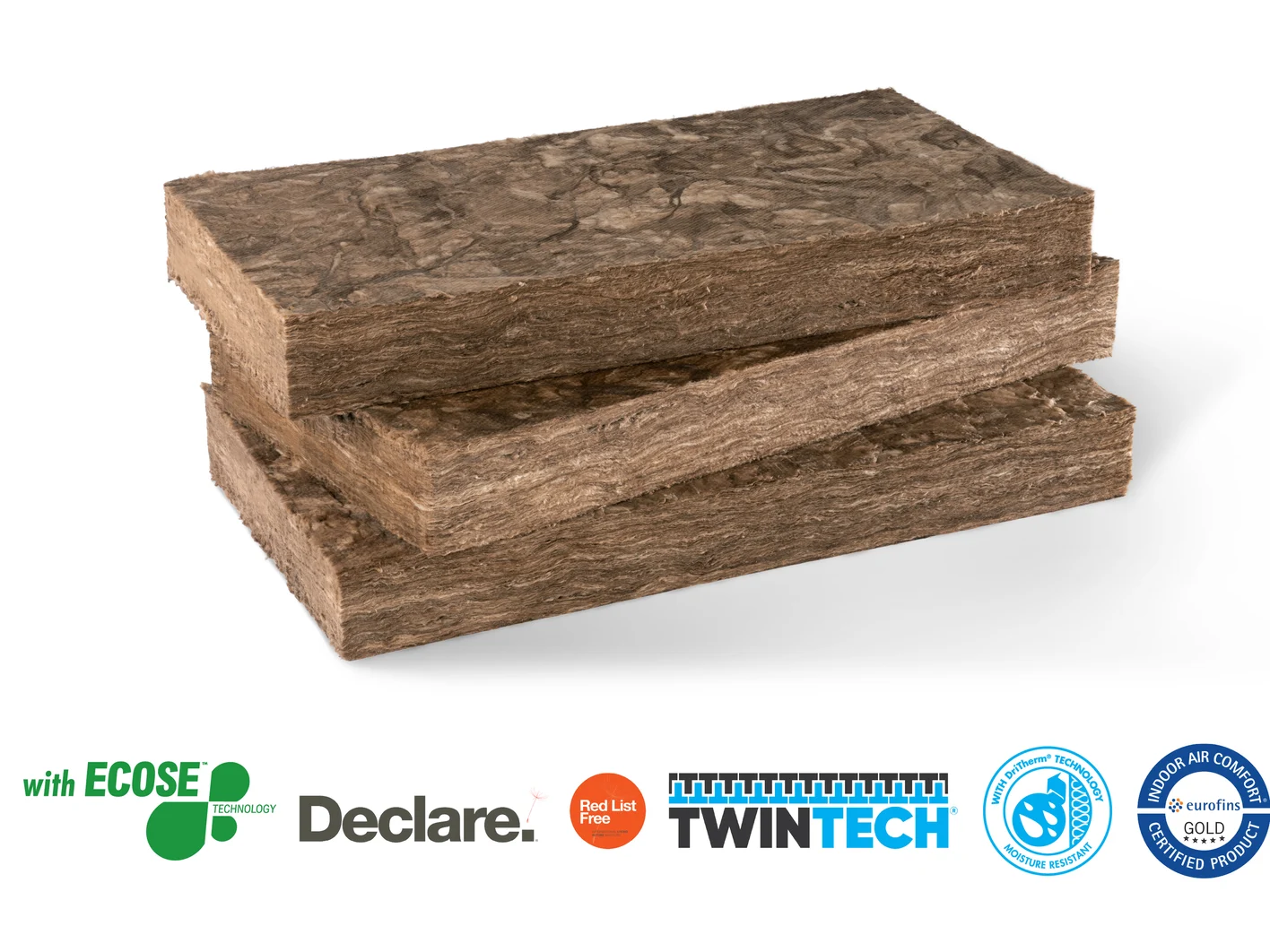
H1 Compliant Insulation Solutions
Don't miss out on the latest news and updates from our team.
- Our Entities
- Knauf Insulation
- Connect with Knauf
- Contact us
- Global Career
- Social Channels