
Acoustics
Quiet buildings are better buildings.
High levels of noise impacts productivity and wellbeing. As the world gets noisier, we have solutions to help create quiet spaces for people that occupy them.
Benefits of our Acoustic solutions
Acoustic solutions for easy listening
We need to design with building acoustics in mind. Loss of concentration, stress, and other health issues can be impacted by high levels of noise. Whether it's insulating buildings from external noise intrusion or reducing internal noise transmission and attenuation to enhance end-user comfort, we have acoustic solutions for walls, ceilings, and floors.
Integrating the optimal sound insulation or acoustic panels without compromising other design elements can be challenging. That’s why we’ve created this expertise hub. It puts our acoustic products and resources all in one place, so you can design and build better homes, offices, schools, and hospitals.
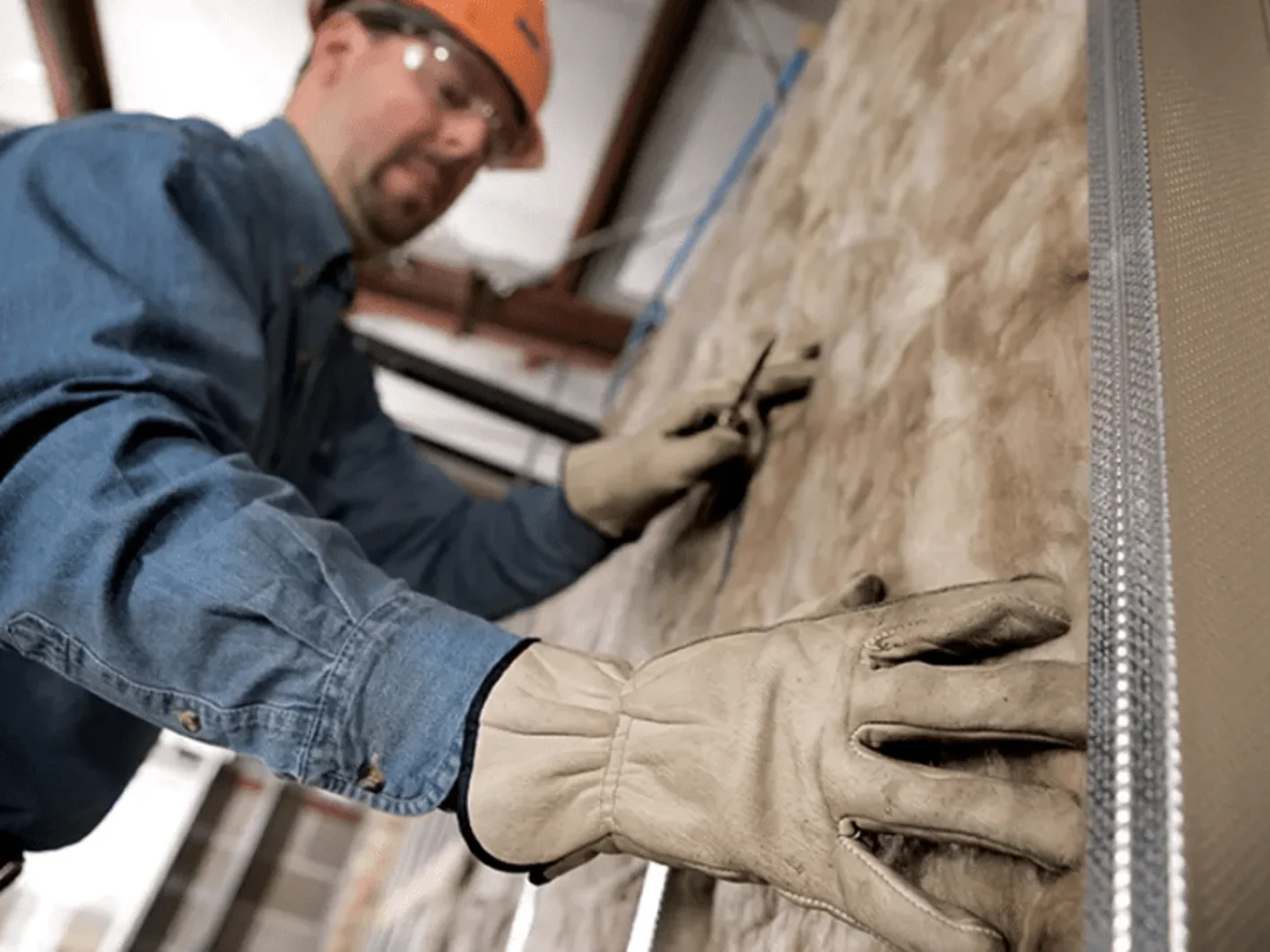
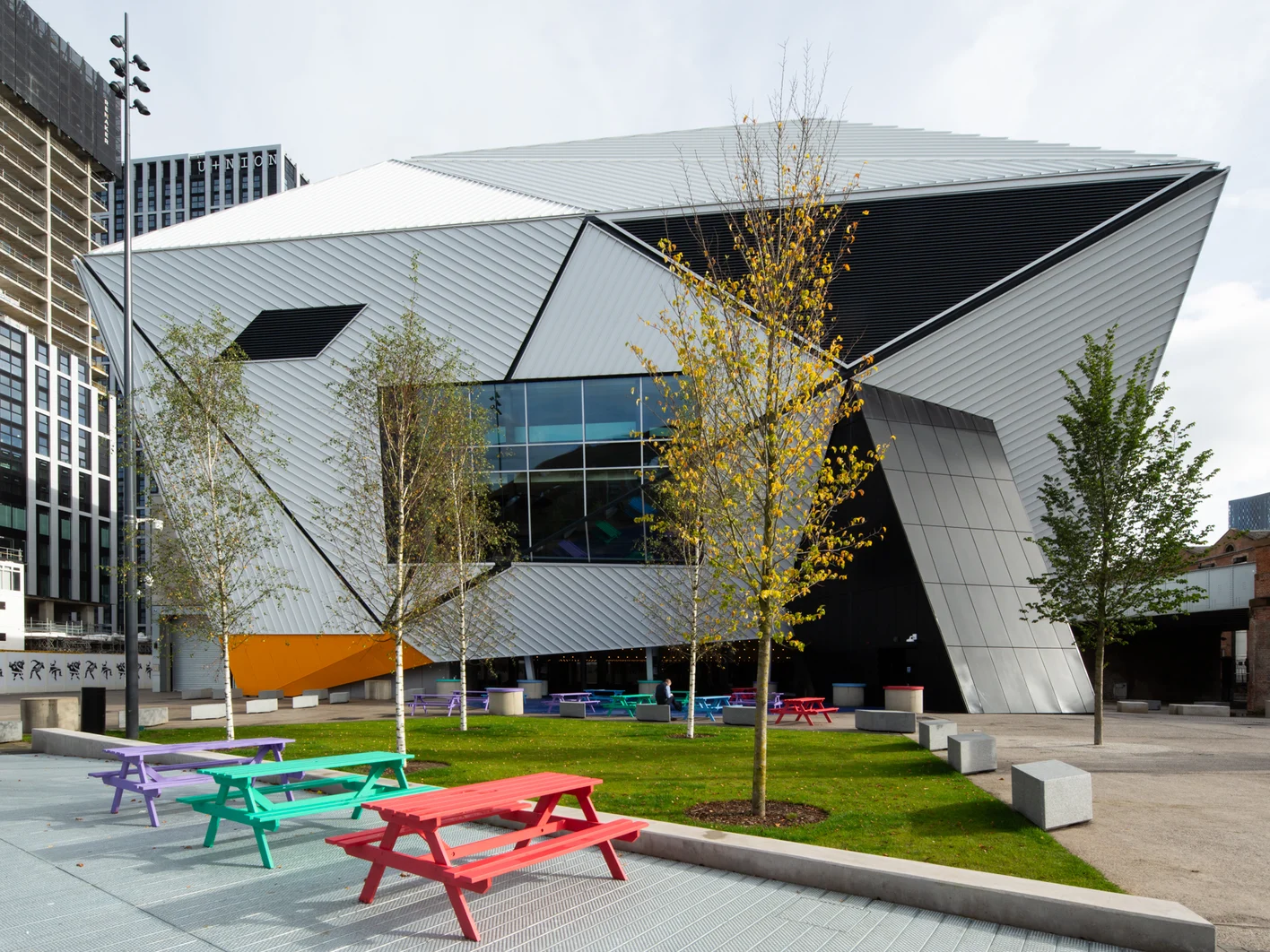
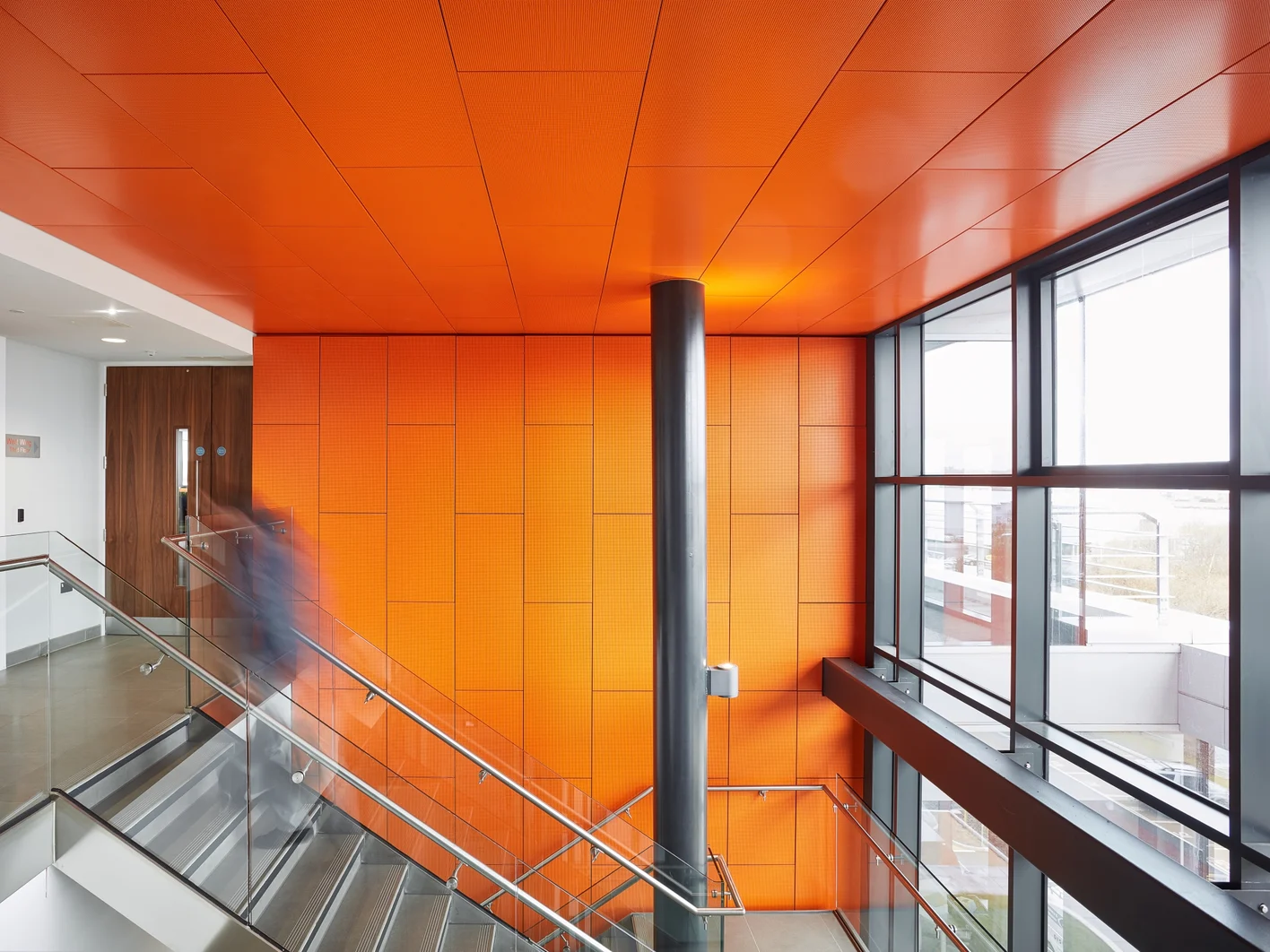
ACOUSTIC PRODUCTS
Discover our acoustic product range designed to improve sound insulation, sound attenuation or a balance of both, without compromising aesthetics.
Frequently Asked Questions
Knauf acoustic solutions do more than improve how a space sounds. They also support overall building performance by enhancing acoustic comfort, which can improve concentration, wellbeing and the everyday experience of occupants. In schools, offices, healthcare settings and other interior environments, better acoustics can help spaces function more effectively and support sector-specific performance requirements.
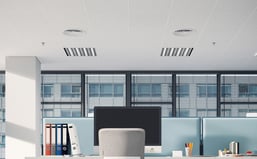
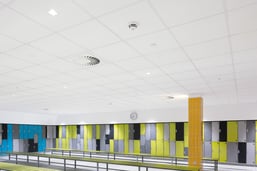
Knauf acoustic ceiling solutions help create quieter, more comfortable indoor environments by reducing noise levels and improving sound quality. This supports concentration, communication and wellbeing across spaces such as hospitals, schools, homes and commercial interiors. They are also easy to maintain and can be cleaned and serviced without compromising their acoustic or indoor climate properties. Their easy installation and demountability also allow convenient access to ceiling services.
Knauf acoustic ceiling tiles are an effective choice because they combine acoustic performance with design flexibility and practical maintenance benefits. Depending on the tile design, surface and perforation pattern, they can help absorb, reflect or diffuse sound to support the acoustic needs of different spaces. This makes them suitable for a wide range of interior environments where comfort, clarity and control of sound matter.
Sound absorption refers to how well a material reduces sound reflections within a room. It helps control echo and reverberation, improving sound quality inside the space. Sound attenuation refers to how well a ceiling system helps reduce sound transmission between adjacent rooms through a continuous suspended ceiling. Sound absorption is commonly measured using the sound absorption coefficient alpha (α), which ranges from 0 for total reflection to 1.00 for total absorption.
Reverberation time is the amount of time it takes for sound in a room to fade away after the source has stopped. It is measured in seconds and affects how clear, calm or noisy a space feels.
Reverberation time is influenced by the size of the room and the sound absorption properties of the materials used within it. Because ceilings cover a large surface area, Knauf acoustic ceiling solutions can have a significant impact on reverberation time. Choosing the right solution can help achieve the desired acoustic comfort and sound performance for a space.
Reverberation time is how long it takes for sound in a room to fade away. It's measured in seconds. Essentially, it's the time it takes for a sound to become very quiet.
Two things affect reverberation time: the size of the room, and the sound absorption qualities of the materials used in its construction. Our solutions can significantly change a room's reverberation time because they cover a large surface area and offer different levels of sound absorption. Choosing the right product can help achieve the desired reverberation time for a space.
A single product on its own does not usually provide a specific sound reduction value. Acoustic performance values are typically measured for complete systems or construction elements, such as a wall or ceiling system, rather than for an individual product in isolation. Any quoted sound reduction value should therefore be understood in relation to the tested system build-up.
DISCOVER MORE EXPERTISE
Knauf is the global construction material specialist with almost 100 years of experience and expertise to share.
- Our Entities
- Knauf Gypsum
- Connect with Knauf
- Contact Us
- Blog
- News