Education
Acoustic ceilings and walls for better learning spaces.
End-to-end construction services for trade, site and planning, with expert advice, training and tailored support from Knauf.
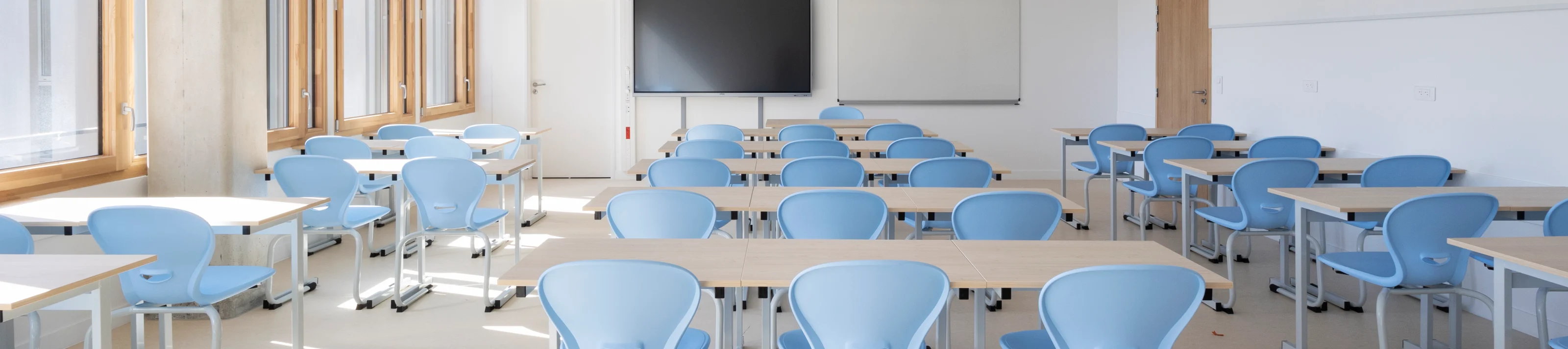
Buildings that optimize sight and sound,to support learning
A well-designed school building should do more than provide space. It should help students focus, support clear communication and create a comfortable environment for learning every day.
In the Philippines, school buildings also need to respond to practical requirements such as heat, humidity, noise control and long-term maintenance. Knauf ceiling, wall and insulation solutions help create education spaces that are brighter, quieter and better suited to the needs of students, teachers and staff.
Benefits of our solutions for Education
For specific product related solutions, we have you covered
Explore our product range
Products designed to support learning and wellbeing in schools, universities, and other education settings.
We’re here to help
Our Technical Services team are here to assist you at every stage of the specification and construction process. Get in touch today and unlock tailored solutions for your education project.
FAQ
Suspended ceilings can help improve classroom acoustics by absorbing sound and reducing reverberation. This supports clearer speech, better listening conditions and a more comfortable learning environment for both students and teachers.
Acoustic performance plays an important role in learning environments. Excessive noise and reverberation can affect speech clarity, concentration and overall comfort, making it harder for students to focus and for teachers to communicate clearly.
Reverberation time refers to how long sound continues to linger in a room after the source has stopped. If reverberation is too high, speech can become unclear and more difficult to understand. In teaching spaces, a well-balanced RT helps support speech intelligibility, concentration and effective learning.
Volatile Organic Compounds, or VOCs, are emissions that can affect indoor air quality. They may come from outdoor pollution as well as indoor sources such as paints, furnishings, cleaning products and electronic devices. Choosing low-emission materials can help support healthier indoor environments in school buildings.
Important considerations include acoustics, light reflectance, fire performance, humidity, durability and ease of maintenance. These factors help create school buildings that are safer, more comfortable and better suited to everyday use in the local climate.
Yes. When used as part of the right tested system, wall and ceiling solutions can help meet fire performance requirements and support safer interiors in classrooms, corridors, assembly areas and other education spaces.
See All Sectors
- Our Entities
- Knauf Gypsum
- Connect with Knauf
- Contact Us
- Blog
- News