Moisture Resistance
Moisture-resistant solutions for durable, safe building.
Specialist solutions to withstand whatever the environment can throw at them.
Speak to Our Team
Benefits of our Moisture Resistant Solutions
Internal and external moisture protection
At Knauf, we know that products that offer moisture resistance are key to creating safer, more comfortable buildings. Whether protecting buildings from the wet during construction or stopping ingress afterwards, the choice of materials is crucial. The same applies to their interior environments, which must stand up to increasingly humid conditions.
We offer an extensive range of insulation, wall, and ceiling solutions to keep moisture out – whatever the application – and that are ideal for use in residential settings, leisure centres, gyms, and hospitals. This hub helps you to protect your environments with the insights and solutions for fighting off rain, water vapour, and chemicals.
View Our Case Studies
Get inspired by real world success stories, or book a CPD to elevate your projects to the next level.
Moisture control solutions
Discover how our moisture control products ensure a healthier environment for their occupants.
Frequently Asked Questions
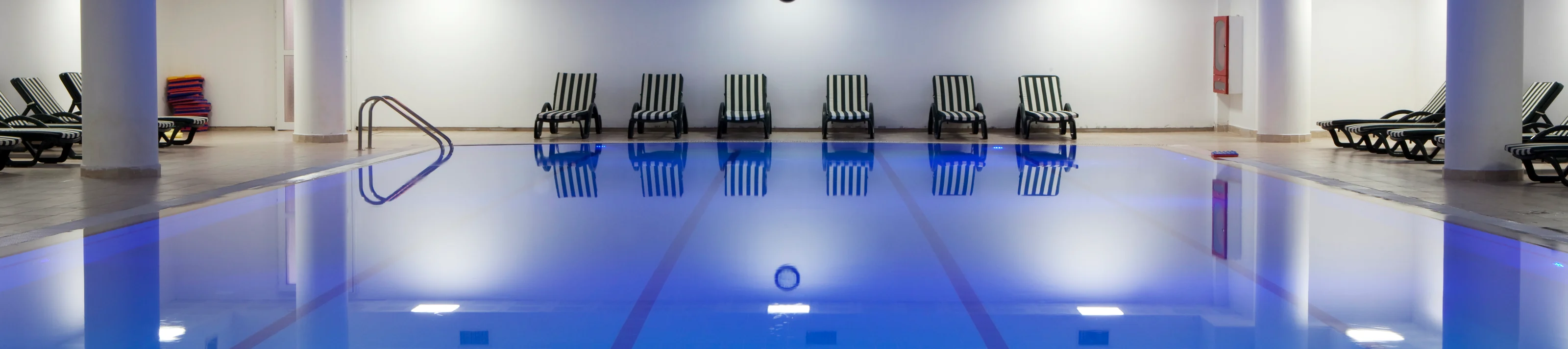
Moisture management is important for the prevention of mould. Knauf AQUAPANEL® Indoor Cement Board is manufactured using inorganic materials, meaning they are unaffected by water and are resistant to mould. Knauf AQUAPANEL® Indoor Cement Board is suitable for use in wet areas such as swimming pools, saunas, and bathrooms.
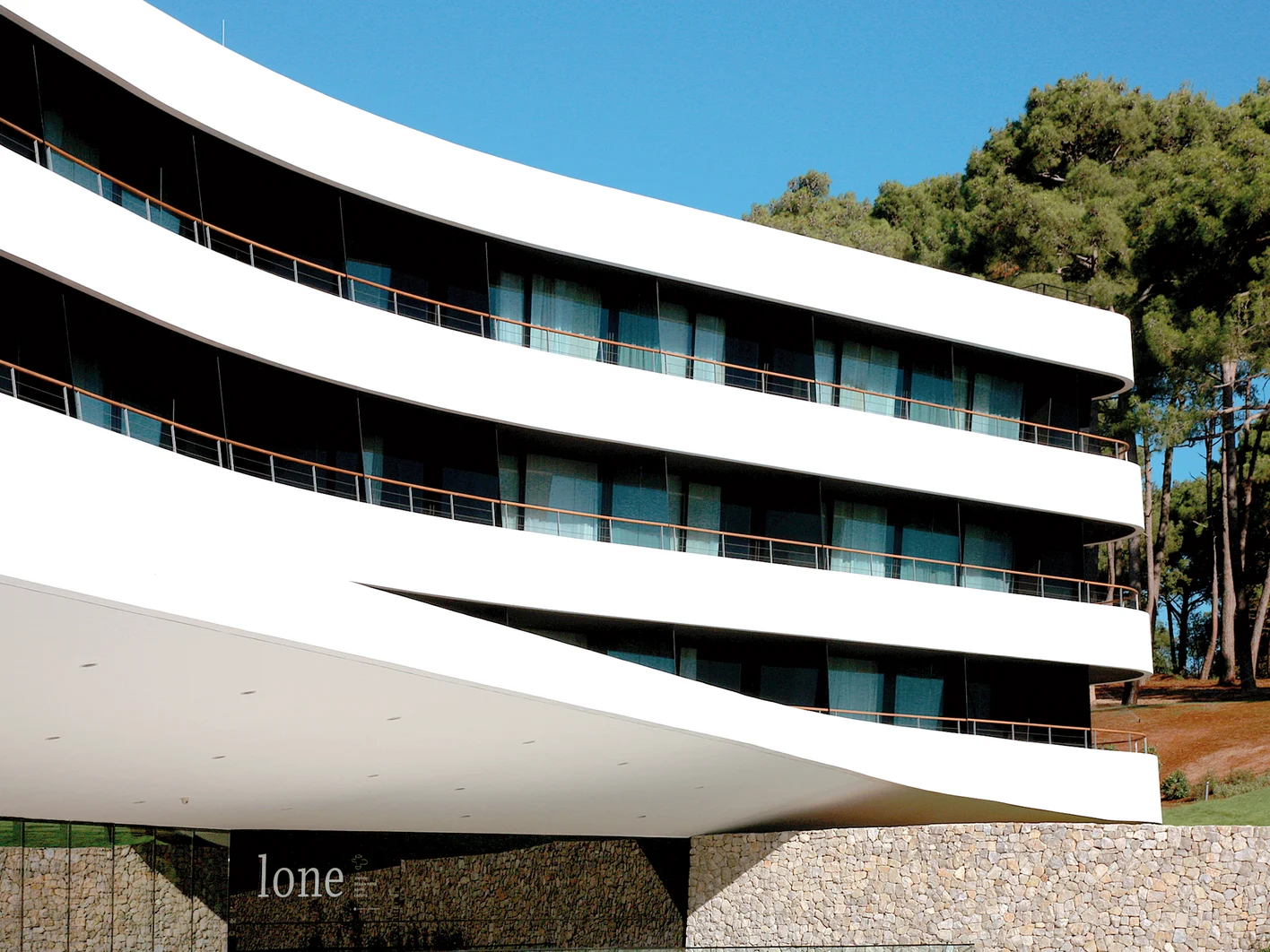
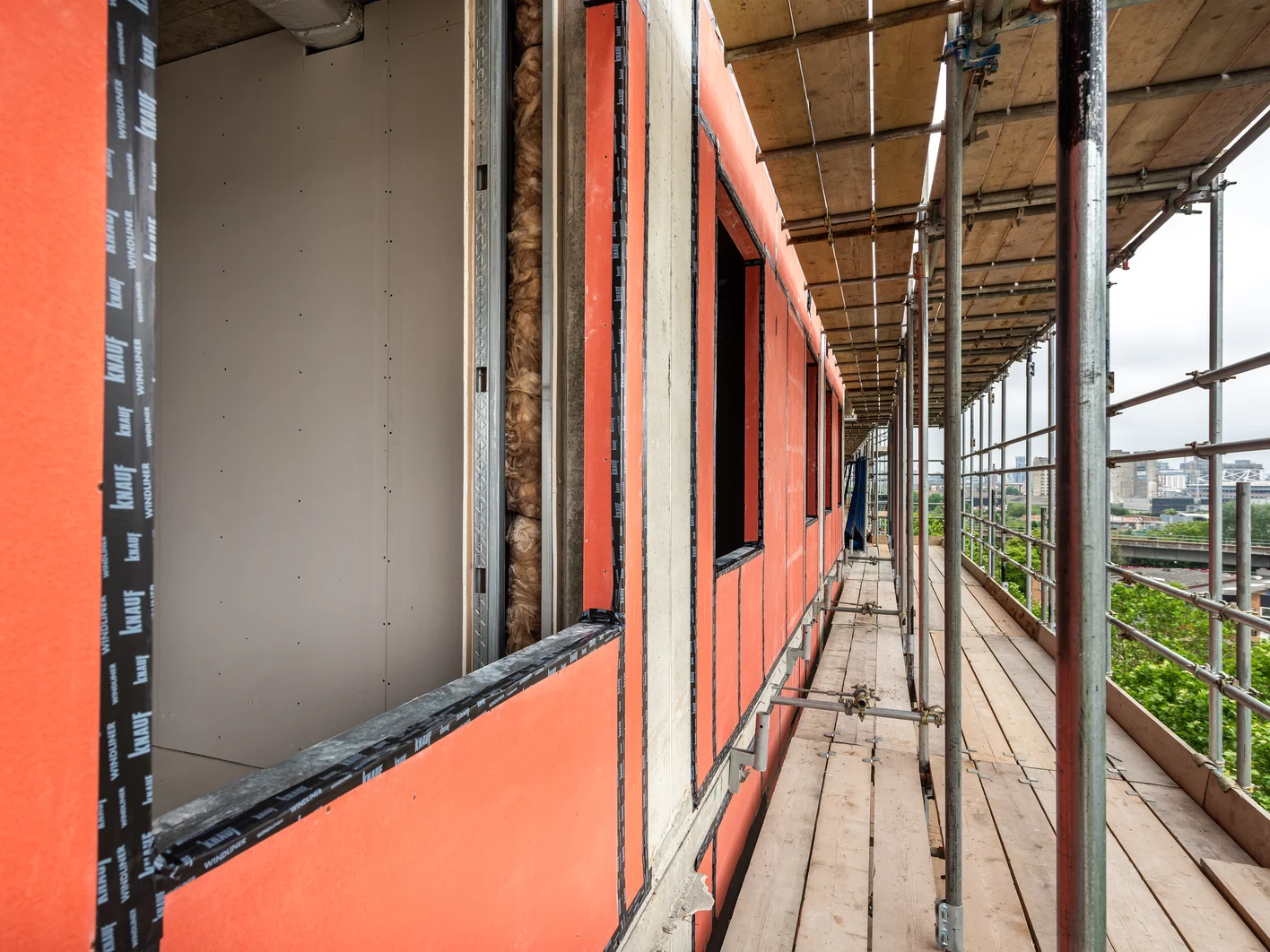
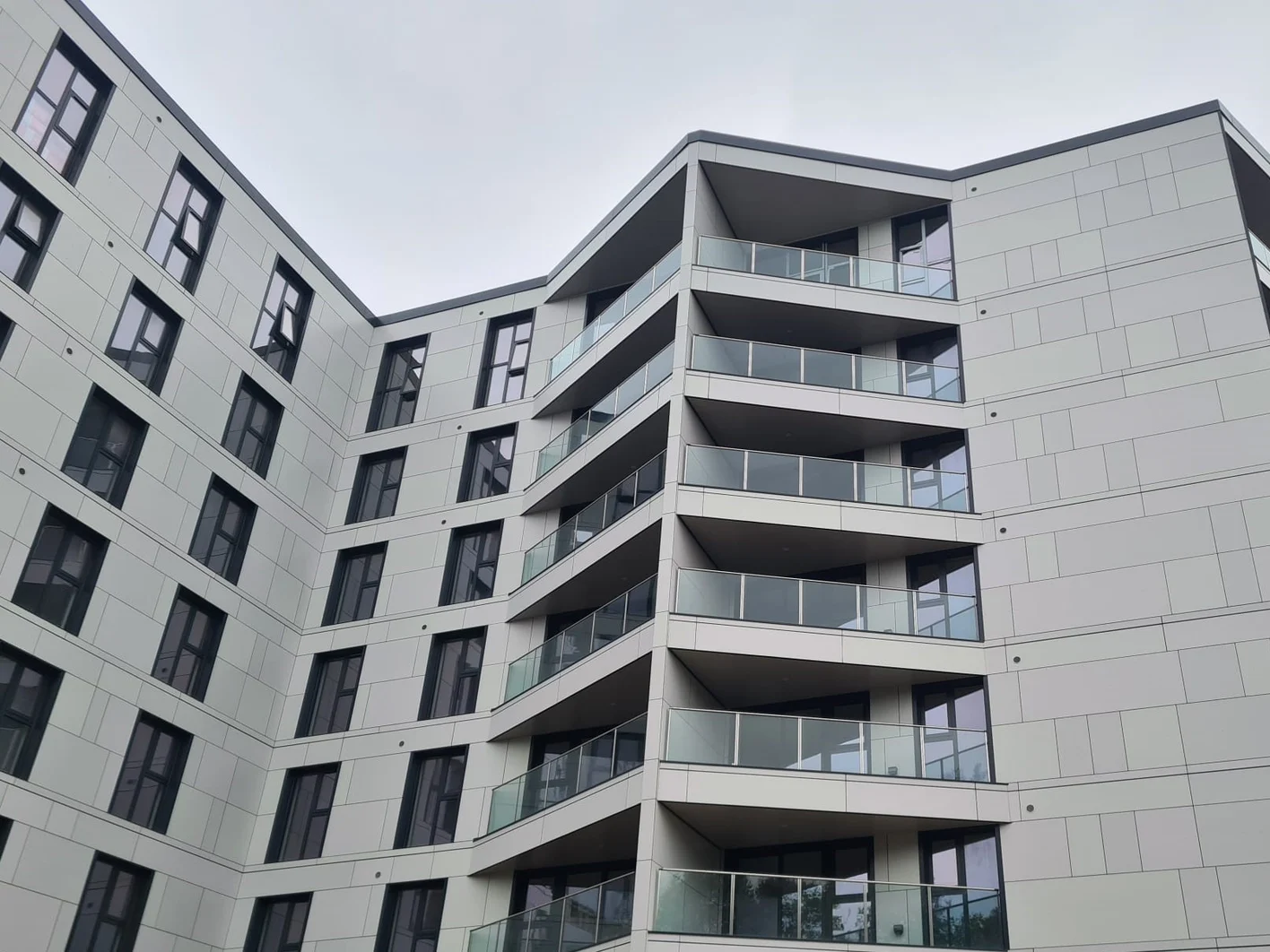
Knauf AQUAPANEL® Outdoor Cement Board is an innovative way to build exterior walls and façades. The board is the ideal exterior render substrate and can be used for many other surface finishes, such as paint or brick slips. It is a robust, non-combustible cement board, made entirely from inorganic materials and withstands even extreme weather conditions. Its flexibility allows the board to be curved, making it a highly versatile building solution.
The facing can act as a vapour retarder or protective layer, helping to limit moisture movement through the insulation system when correctly installed. This can support the overall moisture resistance of the wall, roof or ceiling build-up.
However, if the insulation becomes wet, its thermal performance may be reduced. That is why faced mineral wool should be kept dry during storage, installation and use, and always installed as part of a properly designed system.
If mineral wool becomes saturated it may lose some of its thermal performance but the extent of the reduction very much depends on the degree of saturation and whether the insulation has been mechanically abused whist wet. If there is no mechanical abuse whilst wet, the product will dry out in time and its thermal conductivity will remain as it was when manufactured but there may be a slight reduction in thickness.
However, if the mineral wool has been subject to mechanical abuse, compression, or loading whilst wet there could be a considerable reduction in thickness which would reflect on the thermal performance once the product has been allowed to dry out.
DISCOVER MORE EXPERTISE
We offer free, expert advice on a range of other construction related topics.