Education
Acoustic ceilings and walls for better learning spaces.
Solutions to support learning through acoustic balance, light reflectance, and improved air quality.
Speak to Our Team
High-class ceilings to foster concentration
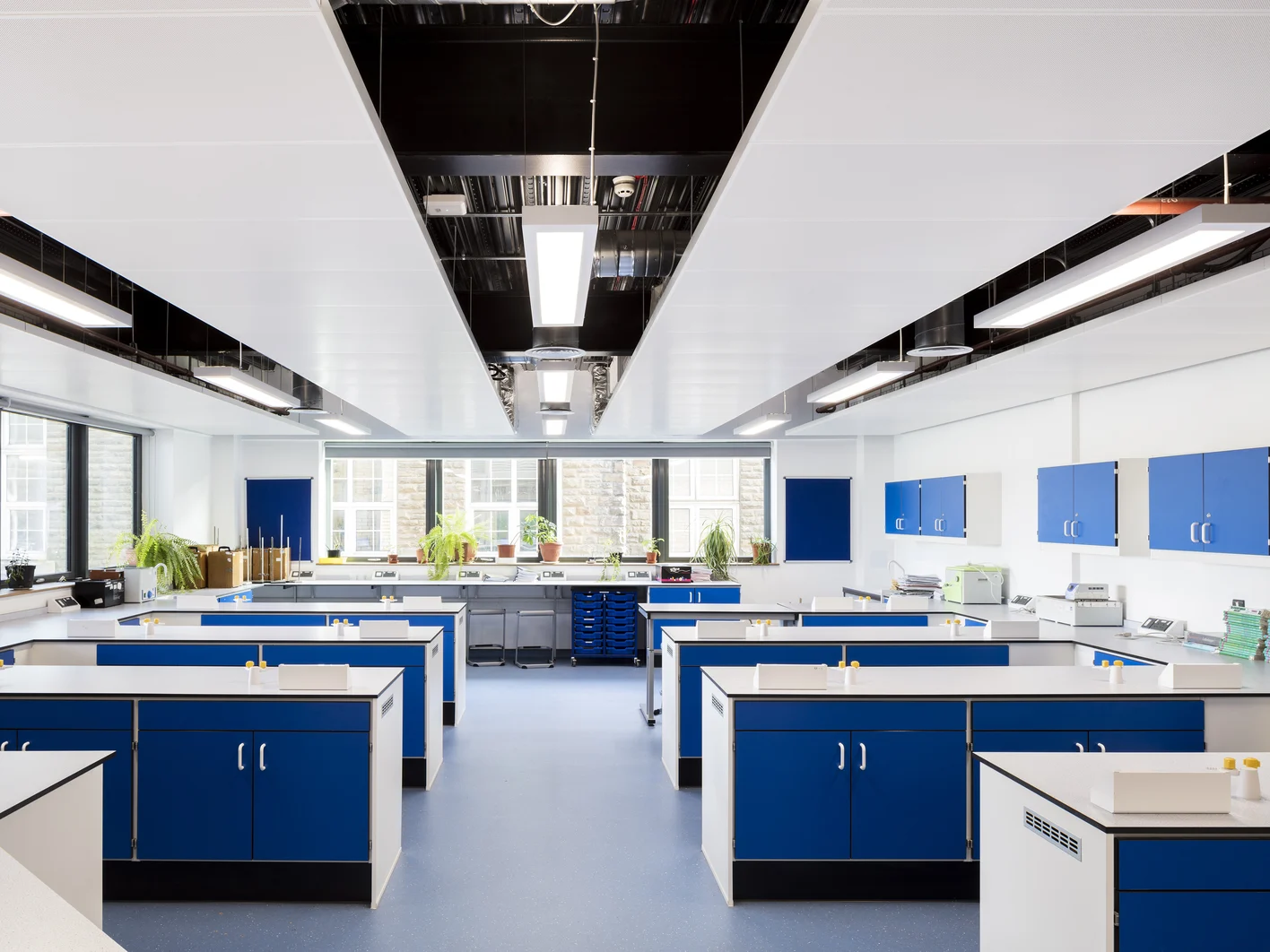
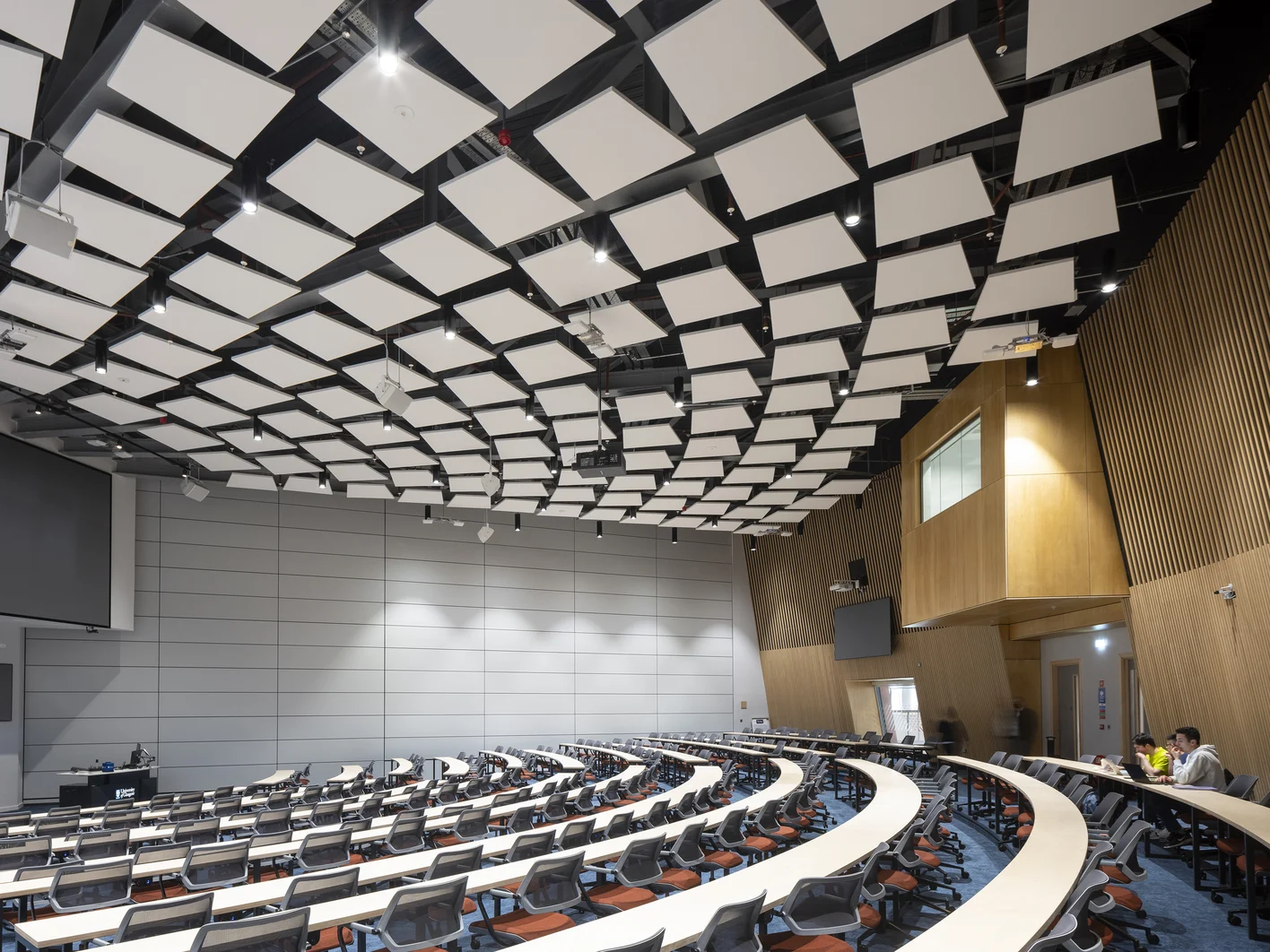
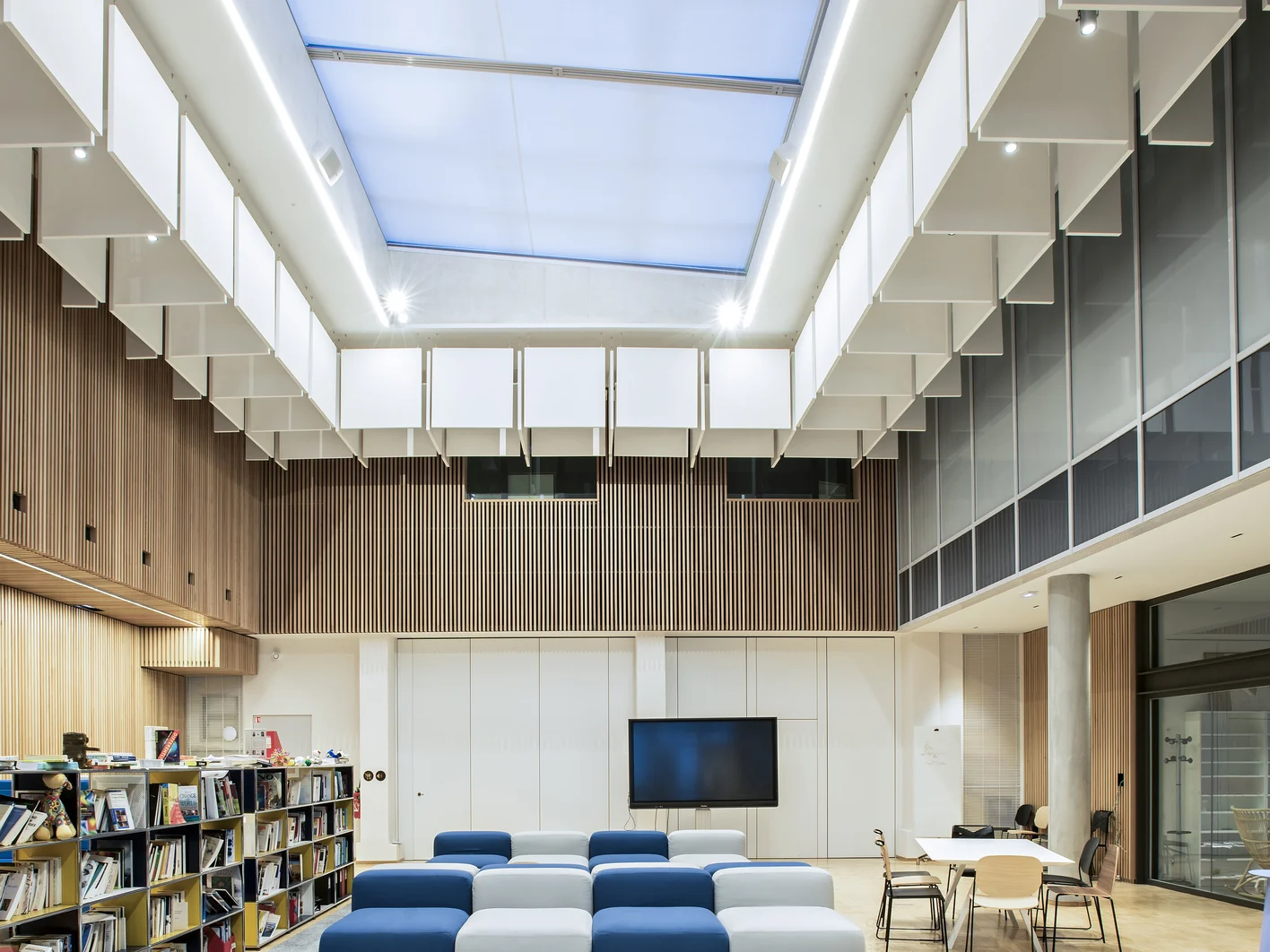
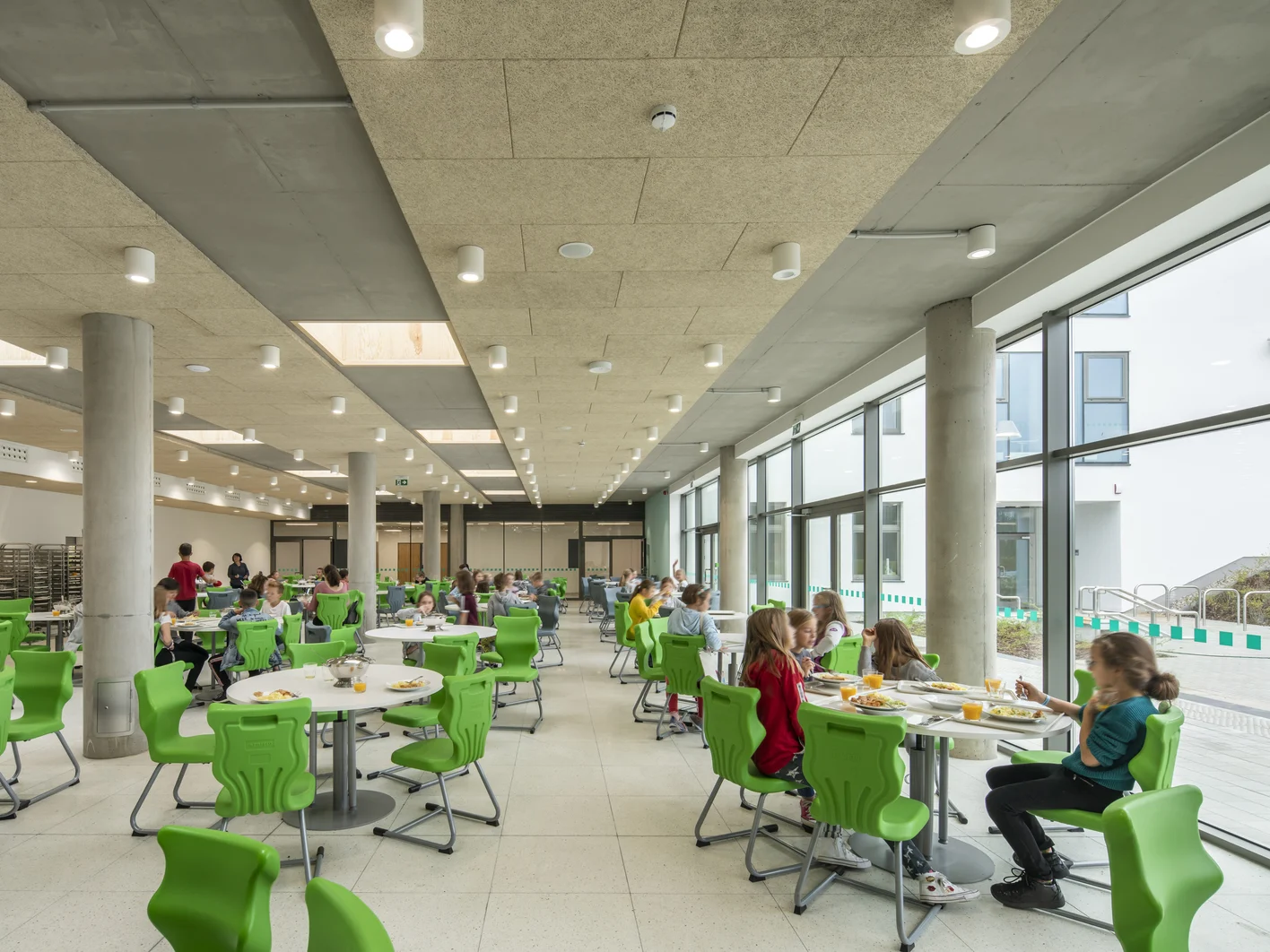
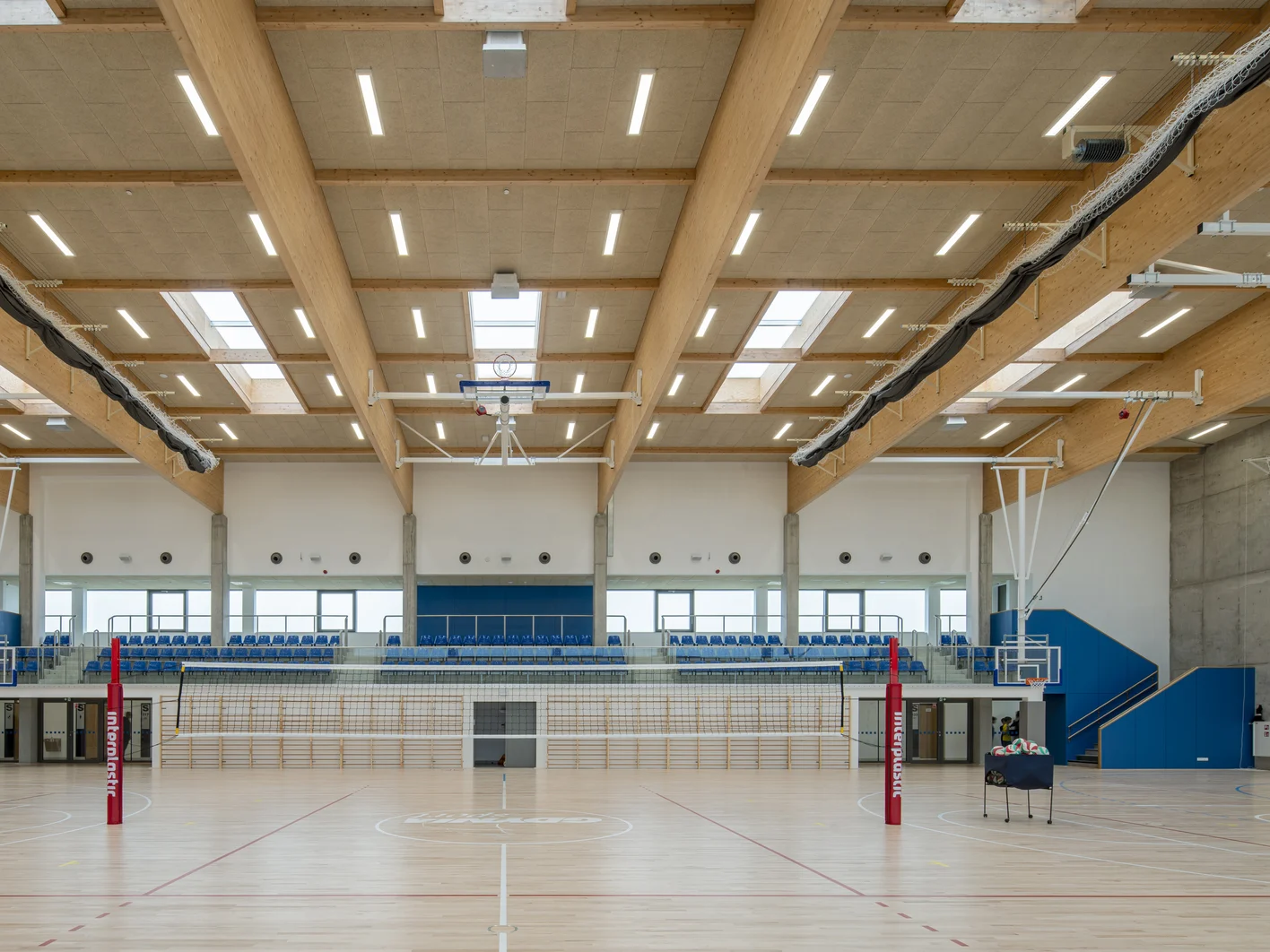
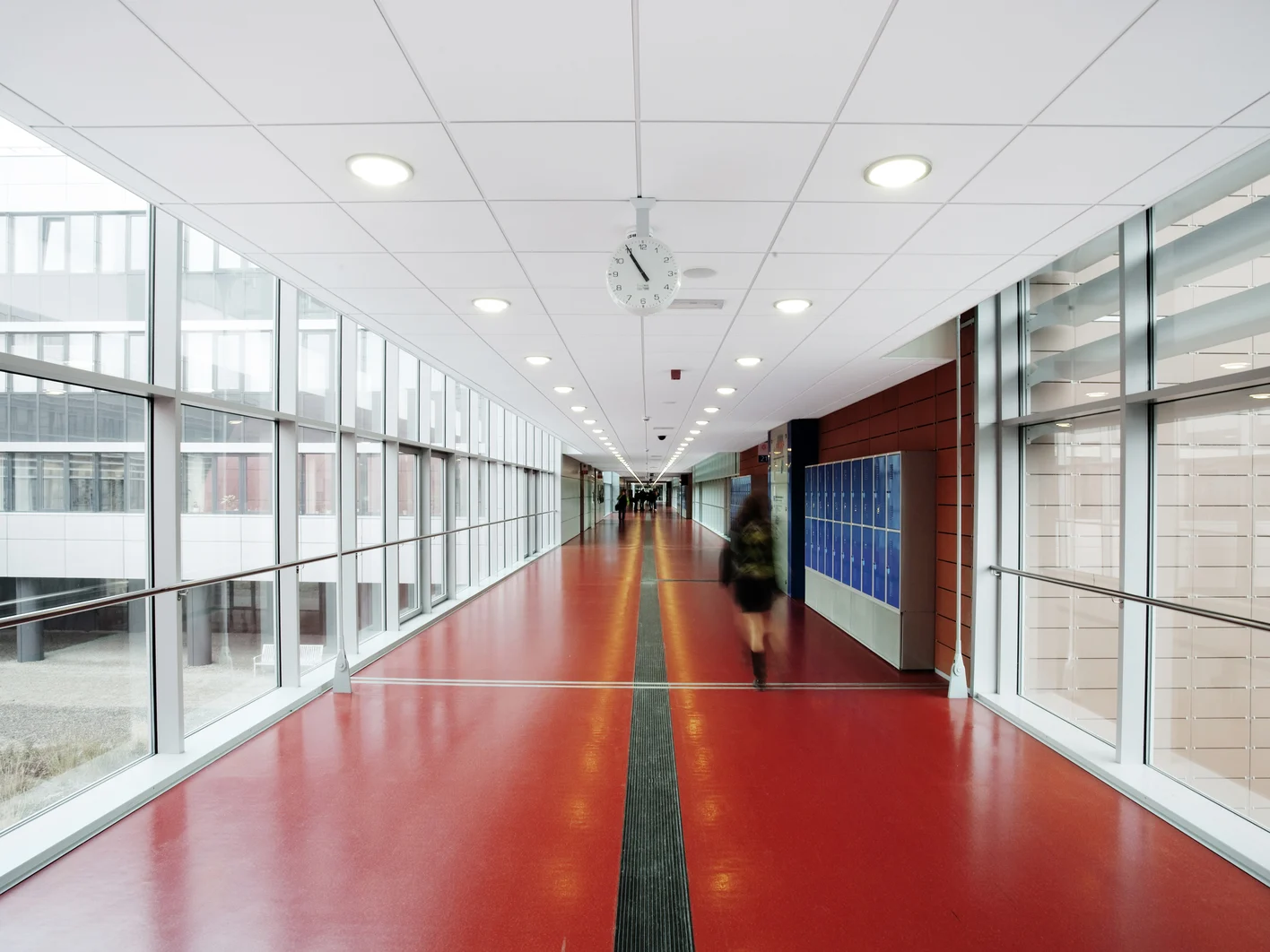
Whether in schools or universities, ceilings for educational buildings should be designed studiously to optimise sight and sound. Our ceiling and wall system solutions ensure perfect acoustic balance in any space – from small classrooms to sweeping auditoriums, hushed libraries to humming gymnasiums. They also offer high light reflectance to keep students alert. With modular ceilings, floating ceilings, and wall panels in an array of colours, shapes, and sizes, you have endless possibilities to create stimulating spaces that nurture concentration and creativity.
Benefits of our ceilings for schools & universities
Explore Our Product Range
Multi-materials: countless classics to one-off creations
Our comprehensive ceiling portfolio includes sustainable mineral and wood wool solutions, durable metals, and acoustically optimised wood design. With our multi-material approach, the possibilities are virtually endless.
Frequently Asked Questions
Suspended ceilings are the largest open and mostly unaltered space within a classroom. Suspended ceilings can provide suitable passive acoustics, where the tile materials either absorb or reduce sound. But they are also the most suitable place for the integration and seamless mounting of active acoustic treatments, such as speaker systems.
If there is too much reverberation in a room, it can make speech unintelligible. BB93 states that the RT should be calculated for unfurnished rooms. For primary school classrooms, the RT should be <0.6 seconds; for secondary school classrooms <0.8 seconds; and for rooms specifically designed for hearing impaired students <0.4 seconds.
No minimum RT is specified, although many acousticians recommend a minimum of 0.4 seconds to prevent the space from becoming too acoustically dead (especially as furnishings and children will further reduce the RT).
The minimum performance standards for the acoustics of school buildings have been set out by the UK government within the Building Bulletin 93 (BB93).
Volatile Organic Compounds (VOCs) are potentially harmful emissions linked to allergies, asthma and even cancer. These pollutants can enter a building from the outside, indoor substances, such as paint or perfumes, and even electronic devices, affecting the air quality. We spend 90% of our lives inside buildings, so ensuring that we have good, clean indoor air quality is vital to designing a safe building.

Explore Solution Performance
Explore solution performance to discover how different systems meet specific requirements.