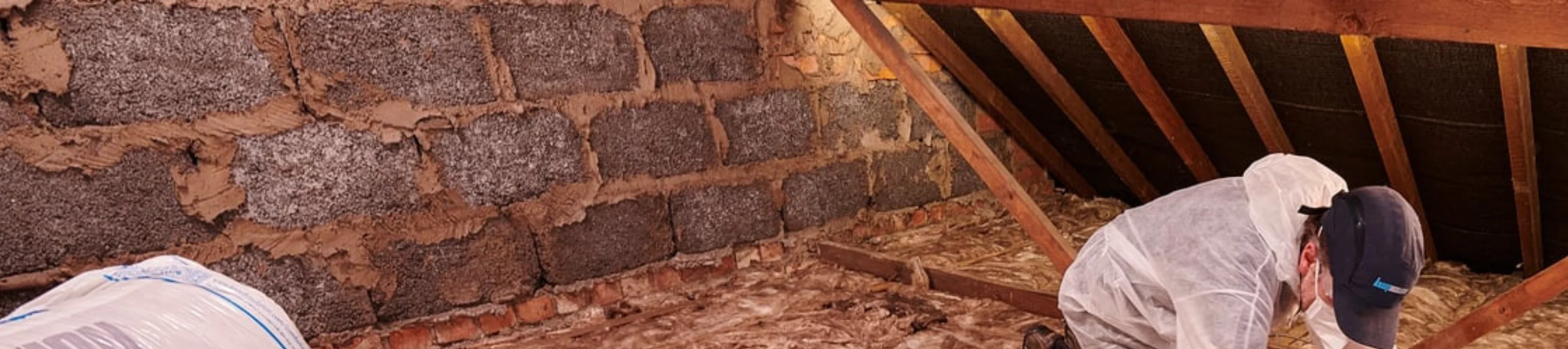
Thermal Efficiency
Thermal insulation to prevent heat loss, stay protected.
It’s estimated buildings account for 40% of worldwide carbon emissions, and increasing their energy efficiency continues to be a priority for governments.
Speak to Our Team
Benefits of our Insulation Solutions
Thermal solutions for year-round comfort
The energy saving properties and thermal performance of insulation keep buildings warm in winter and cool in summer.
The bigger the temperature difference between the internal and outside of a building, the faster the building will lose heat in winter and gain heat in summer.
Our mineral wool insulation solutions help maintain a stable internal temperature by slowing heat transfer by convection, conduction and radiation. By insulating a property properly, energy can be saved either from the heating system when heating a cold building, or from the air conditioning system when cooling a warm building.
View Our Case Studies
Get inspired by real world success stories, or book a CPD to elevate your projects to the next level.

THERMAL PRODUCTS
Discover our product range designed to improve thermal performance whilst meeting most recent building regulations.
Frequently Asked Questions
Faced insulation includes a built-in facing layer, often used as a vapour retarder, while unfaced insulation has no outer layer and is typically used where a separate vapour control layer is not required.
Faced insulation is generally used in walls, ceilings and floors where moisture control is important, and where local building regulations require a vapour-retarding layer.
Unfaced insulation is often preferred for interior partitions, layered insulation applications, or projects where an existing vapour control layer is already in place.
Yes, they can be used together in some assemblies, but the full system must be designed carefully to avoid trapping moisture and to meet thermal and building performance requirements.
DISCOVER MORE EXPERTISE
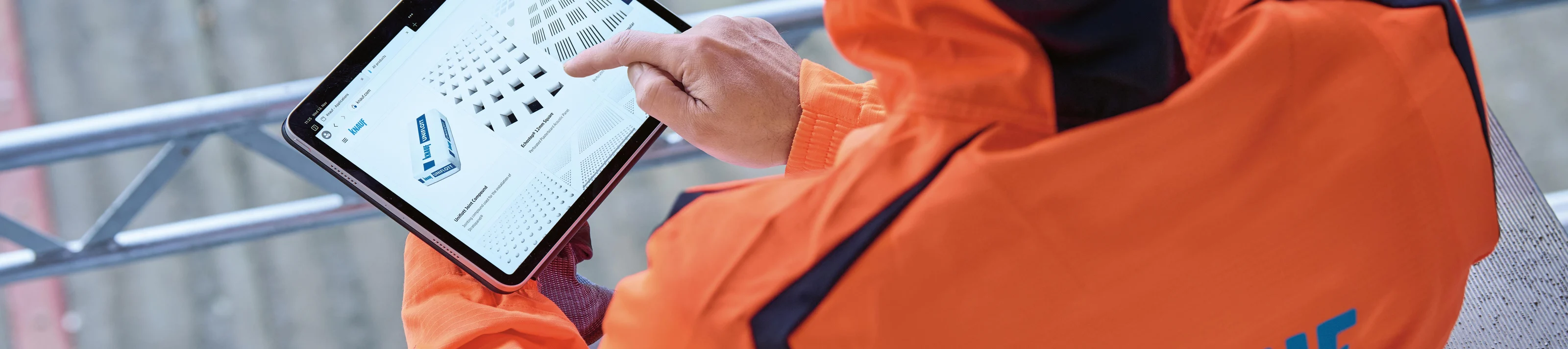
We offer free, expert advice on a range of other construction related topics.