Thoughtful Design That Welcomes Wellbeing
Careful interior design of hospitals is vital. Patient rooms, waiting zones, and operating theatres all have rigorous safety standards. We are well-versed in the complexities of healthcare facilities. Antibacterial, washable, fire-resistant, and low in emissions, our hospital ceilings uphold the highest standards of hygiene and safety. Yet our designs don’t feel sterile. Optimal light reflectance and acoustic balance support patient comfort and staff productivity. Choose from a multitude of shades and shapes to create therapeutic and tranquil environments.
Benefits of Our Ceilings for Healthcare & Food Production
Creating safe spaces

Meeting the highest industry standards

Explore Our Product Range
Products designed to meet the highest standards of hygiene and safety.
Frequently Asked Questions
Mineral wool insulation is a safe product to work and live with. It has been in use for over 100 years and is one of the most well documented and tested of all building materials.
Mineral wool and health: The Facts
- Mineral wool does not pose a hazard to human health for people who work with it or live with it.
- Mineral wool fibres are bio-soluble, which means they are harmlessly cleared by the body should they be inhaled or ingested.
- Mineral wool products do not emit fibres or particles in their intended use. Tests have shown that levels of mineral wool fibres in the air of insulated buildings are often so small as to be undetectable.
Knauf Insulation’s products made with ECOSE® Technology are low-VOC. Volatile Organic Compounds (VOCs) are emitted by construction products throughout their life – during manufacture, while being installed, and afterwards in the building. Research shows these VOCs can pose serious risks to human health. Especially as the average person now spends 90% of their time indoors. In some countries, managing VOC emissions is now mandatory. Even where it’s not yet, voluntary standards are increasing in popularity, as building owners and designers become aware of the harmful impacts of VOCs and seek to create better buildings with improved indoor environments. Progressive employers too are increasingly mindful of the risks of workplace exposure for installers.
They were the first to be awarded the Eurofins Indoor Air Comfort Gold certification, the highest possible standard. This means they are independently tested and verified to meet or exceed a wide range of national mandatory and voluntary product emissions standards.
Products made with ECOSE® are certified to be free from any of the chemicals known to pose serious risks to human health on the internationally-agreed DECLARE ‘Red List’ – both glass and rock mineral wool. These products were the first to achieve the DECLARE ‘Red List Free’ label.
ECOSE® can help building designers earn additional points under green building rating schemes. Many of these schemes award points specifically for the indoor air quality of a building. For example, the BREEAM scheme awards credits for buildings that feature low levels of formaldehyde and total VOCs post-occupation.
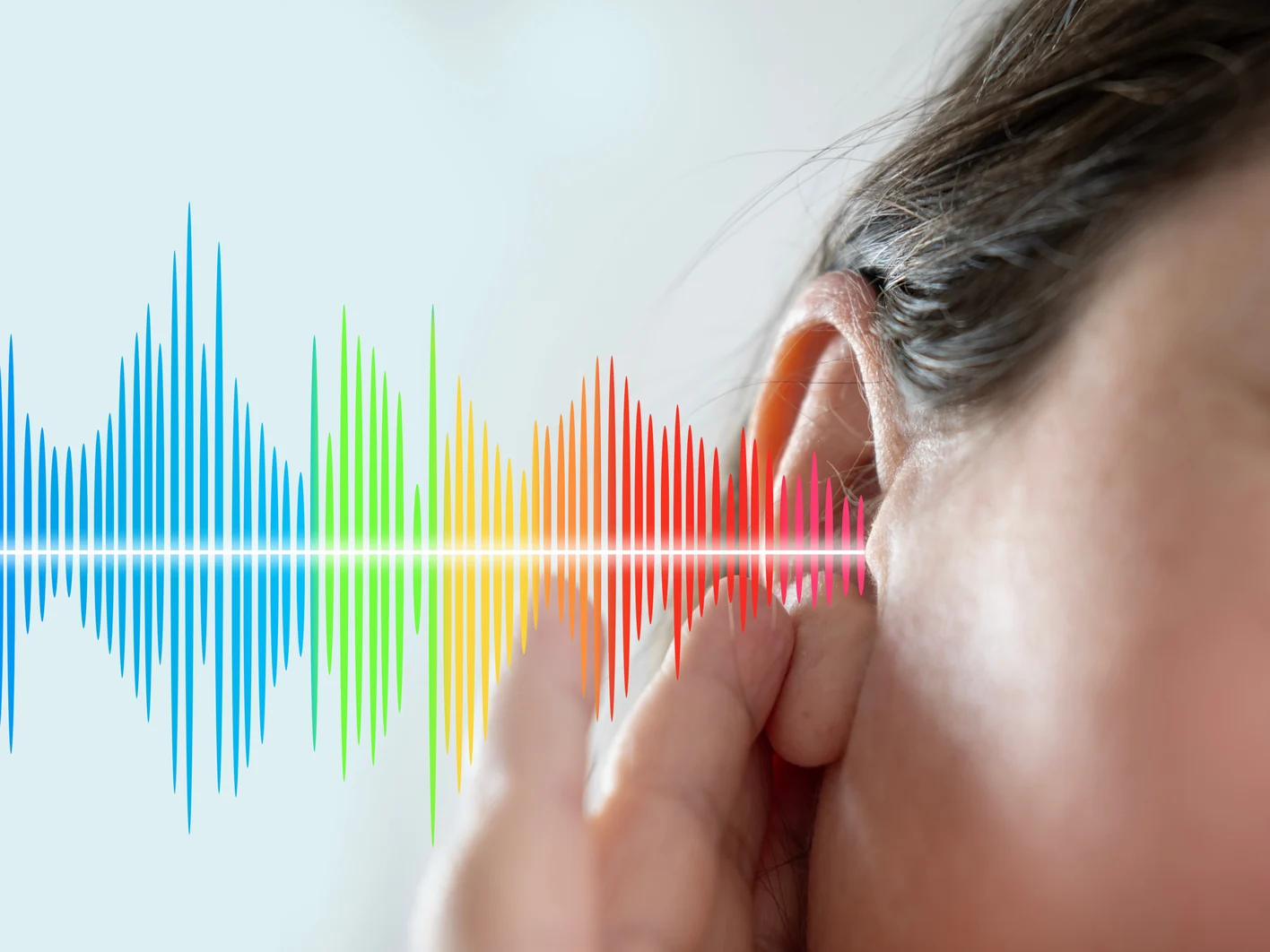
Hospitals commonly use specialised ceiling solutions that prioritise both hygiene and acoustics. Acoustic ceilings are essential for creating a peaceful environment by reducing noise, which is crucial for patient comfort and clear communication among staff.
To address stringent hygiene requirements, ceiling tiles like the MEDIGUARD and HYGENA ranges from Knauf Ceiling Solutions can be used. MEDIGUARD is designed for areas demanding intensive cleaning and superior hygiene, preventing the growth of numerous bacteria and fungi. HYGENA offers excellent acoustic and light reflectance properties, achieves a CP5 particle decontamination rating according to NF S 90-351:2013, and limits bacterial growth. These specialised ceiling tiles also offer practical benefits, such as easy access to utilities, supporting efficient maintenance and adaptability to evolving healthcare needs.
For applications where metal ceilings are preferred, the BIOGUARD coating helps prevent the growth and settlement of bacteria, mould, and yeast, and limits the accumulation of dust and micro-organisms.
The MEDIGUARD and HYGENA ceiling tile ranges boast the best microbiological cleanliness class (M1) according to NF S 90-351:2013, excellent antimicrobial performances that are tested up to eight bacteria and fungi, and versatile cleanability, from dry to steam cleaning, and resistance to disinfectants.
NF S 90-351:2013 is a French standard for airborne contamination control in healthcare facilities, defining risk zones and corresponding hygiene requirements. Our products are rigorously tested against this standard, and we offer comprehensive ceiling solutions for all four levels of risk:
Zone 1 (Low Risk):
- Includes hallways, offices, etc.
- Focuses on acoustic absorption and easy cleaning.
- Uses ISO-rated products.
Zone 2 (Average Risk):
- Includes sterilisation areas, pharmacies, wards, etc.
- Requires antimicrobial properties and hygiene-focused products.
- Uses clean room-suitable suspension solutions.
Zone 3 (High Risk):
- Includes operating rooms, intensive care, etc.
- Demands strong antimicrobial properties to prevent bacterial, mould, and yeast growth.
- Uses hygiene rated products and clean room suitable grid systems.
Zone 4 (Very High Risk):
- Includes operating theatres, burns units, etc.
- Requires the highest level of hygiene with high-performance mineral or metal solutions.
- Uses clean room suitable grid systems.
The HYGENA range is tested against Escherichia coli / Staphylococcus aureus / Candida albicans / Aspergillus brasiliensis (except HYGENA Aquatec).
The MEDIGUARD range and BIOGUARD-coated metal solutions are tested against: Escherichia coli / Staphylococcus aureus / Bacillus cereus / Streptococcus pneumoniaie / Acinobacter baumanii / Klebsiella pneumoniaie / Candida albicans / Aspergillus brasiliensis.
Please contact your local sales representative for test reports.
Knauf products are designed to retain high standards of safety and hygiene, which are paramount in healthcare settings. Our Knauf Fire Panel and Knauf Encasement System are potential solutions when fire safety is a priority. Our AQUAPANEL® range of cement boards are designed to resist mould and chemicals and are also unaffected by exposure to moisture, making them ideal for humid and wet areas.
Yes, Knauf solutions can be tailored to accommodate the unique needs of various healthcare environments, including hospitals, clinics and care homes. These solutions are adaptable, offering custom designs, colours, perforations, sizes, and specifications that align with specific acoustic, safety and aesthetic requirements, vital for healthcare operations. Knauf Safeboard plasterboard also offers X-ray protection.
Explore Solution Performance
Explore solution performance to discover how different systems meet specific requirements.