Choosing Between Glass and Rock Mineral Wool Insulation
Mineral wool insulation is on track to account for nearly half of all insulation sales in the UK in 2024.
Its popularity is well-deserved: combining thermal performance, non-combustibility, acoustic performance, and sustainability, it offers a practical and versatile solution. Its ease of installation also makes it a compelling alternative to rigid board insulation, which can be more challenging to fit correctly for optimal performance.
Types of Mineral Wool Insulation
Mineral wool insulation comes in two main forms: rock (stone) mineral wool or glass mineral wool. While they share many similarities, there are key differences that make each type suitable for specific applications.
Acoustic Performance
Both glass and rock mineral wool are effective at absorbing sound and improving acoustic performance. Historically, product density has been used as a proxy for acoustic performance, but this is not entirely accurate. The performance of the entire built element should be considered.
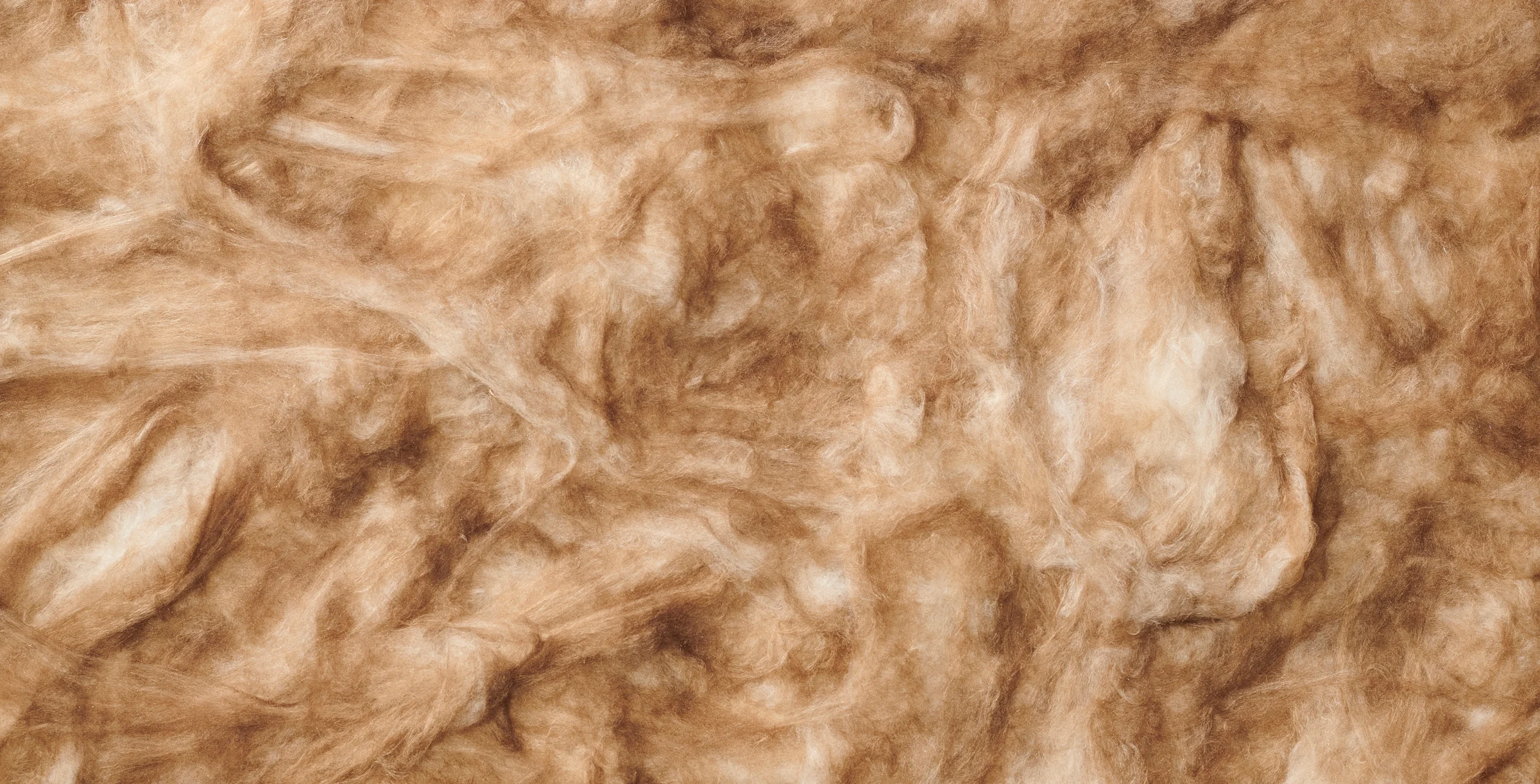
Glass mineral wool is often recommended for acoustic applications like internal partitions and floors due to its lightweight, easy-to-handle properties. In some cases, glass mineral wool products—such as Knauf Insulation Acoustic Roll or OmniFit® Rolls and Slabs—can outperform rock mineral wool in the low-frequency range.
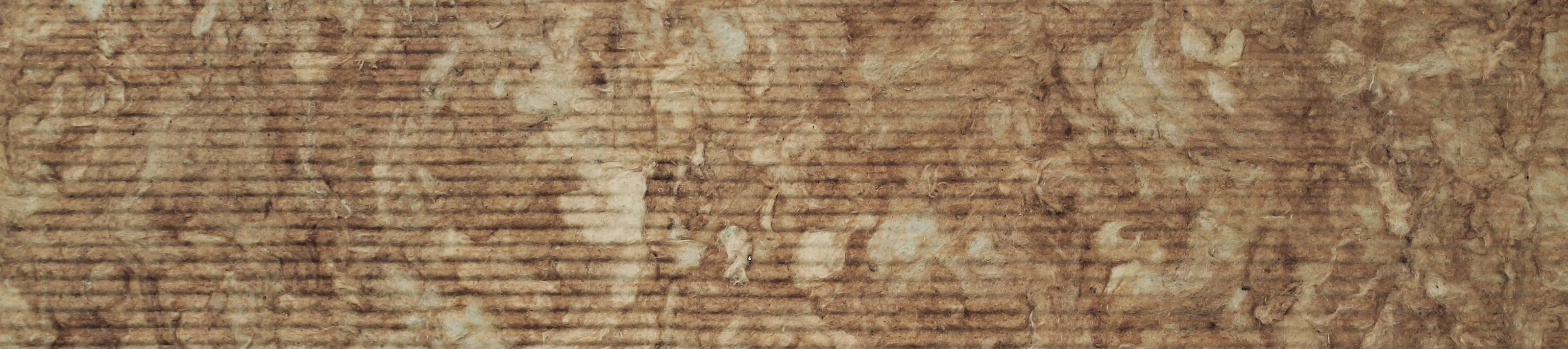
Rock mineral wool is typically specified where additional properties, such as compressive strength, are required—e.g, in warm flat roof applications.
Fire Performance
Both glass and rock mineral wool products are non-combustible, achieving the best Euroclass A1 or A2-s1,d0 reaction to fire classification rating. This means they do not contribute to the spread of flame should a fire occur.
However, fire resistance—which refers to a material or system's ability to prevent fire from spreading between spaces—can vary. Rock mineral wool, with its higher melting point, is often preferred for applications requiring extended periods of fire resistance.
It’s important to note that fire resistance is determined by the performance of the entire built system. In applications like party walls, where the structural system provides fire resistance, glass mineral wool products—such as Knauf Insulation Masonry Party Wall Slab, Timber Frame Party Wall Slab, or Supafil® Party Wall—are excellent choices. Specifiers should verify tested systems to ensure compliance.
Sustainability and Embodied Carbon
The embodied carbon of an insulation product depends on its raw materials and manufacturing processes. Both rock and glass mineral wool are made with recycled materials, but glass mineral wool has an edge due to its lower embodied carbon and the availability of recycled glass.
For example, Knauf Insulation’s glass mineral wool contains up to 80% recycled content, including household glass waste that might otherwise go to landfill.
Additionally, glass mineral wool benefits from compression packaging, allowing for more material per pack or pallet. This reduces transport emissions, logistics costs, and stock-handling requirements, making it the insulation material with the lowest embodied carbon among mainstream options.
Customers looking to verify sustainability credentials of a product can consult Environmental Product Declarations (EPDs) or labels like Declare, which indicates whether products contain harmful Red List chemicals. Our entire glass mineral wool range as well as our unfaced rock mineral wool range made with ECOSE® Technology have been awarded Declare 'Red List Free'.
Efficiency in logistics and stocking
Compression packaging offers significant advantages for merchants. For instance, a glass mineral wool product like Knauf Insulation OmniFit® Slab 35 (100mm thickness x 600mm width x 1200mm length) provides 167% more insulation per pallet than comparable low-density rock mineral wool. Delivering 22 pallets of glass mineral wool can achieve the same volume as over 47 pallets of rock mineral wool.
This improves stock efficiency, reduces vehicle loads, and simplifies handling in-branch, providing merchants with a compelling reason to stock glass mineral wool.
Making the right choice
Mineral wool insulation’s versatility makes it a valuable stock item for any merchant. By understanding the specific strengths of rock and glass mineral wool, merchants can confidently guide customers to the best choice for their needs—whether it’s lightweight, easy-to-install glass mineral wool or robust, higher density rock mineral wool.