
Psi-values are an important part of building design because they (along with U-values) are key to determining thermal efficiency. And with recent updates to Part L of the Building Regulations for England introducing greater scrutiny of as-built performance, now is a good time to get to grips with them.
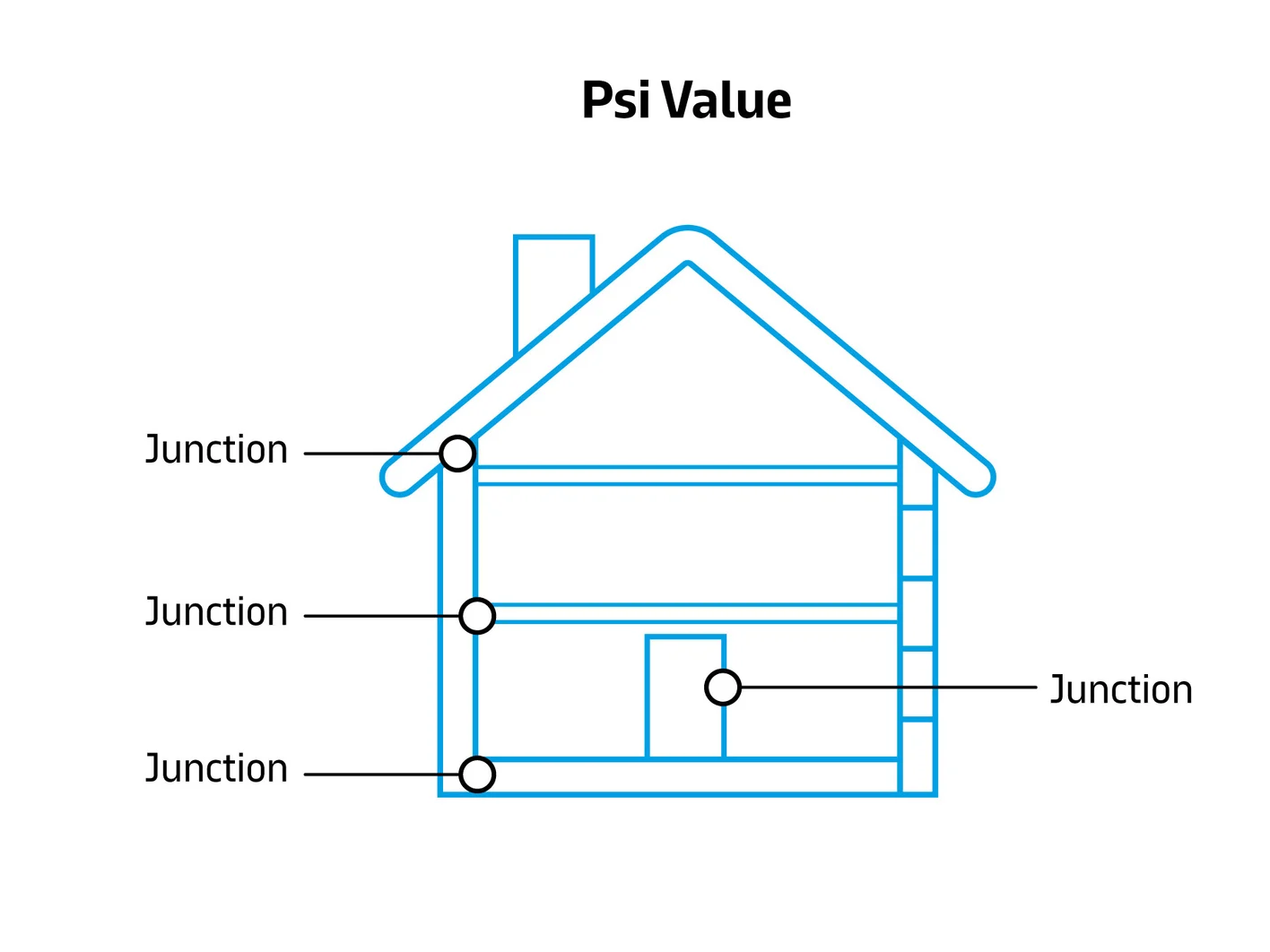
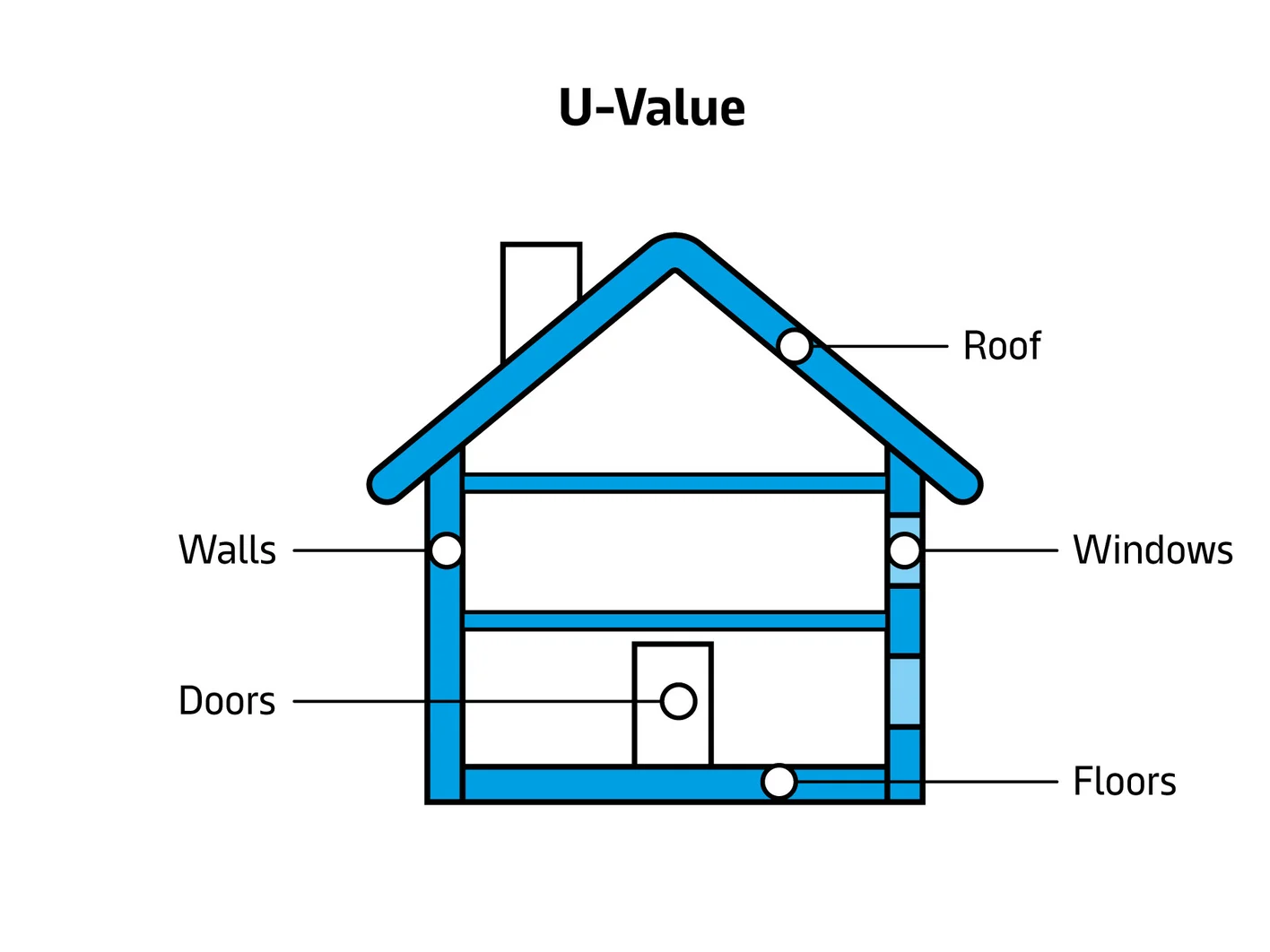
Both Psi-values and U-values measure the heat escape from a building, so both must be taken into account, when assessing its energy efficiency.
WHAT’S CHANGED WITH THE NEW PART L?
To quantify the heat loss through junctions in a building’s design, Psi-values must be inputted into Standard Assessment Procedure (SAP) software.
In the past, SAP assessors have had the option to produce these Psi-value calculations using the Government’s ‘approved’ Accredited Construction Details (ACDs) – a pre-set list of standardised details, based on different types of thermal element and junction. However, these became outdated and have been removed from the latest version of the SAP method. Assessors can still use non-government ACDs, as well as SAP’s default values, but the latter have been adjusted to be less favourable.
The revisions encourage more accuracy, with less reliance on assumptions and default information. This can be best achieved by working with suppliers who provide Psi-value calculations based on up-to-date, technical information, specific to the products being specified.
Your Next Steps
For more help and advice on how to calculate a Psi-value, contact our Technical Services Team. You can also use our Psi-value pattern book and free, online calculator. The important thing to remember when it comes to Part L, is that you have options.